How to prevent electrical fires during Salisbury storm season
Storm season in Salisbury brings power surges, flooding, and downed lines. Here's how to prevent electrical fires before, during, and after the storm.
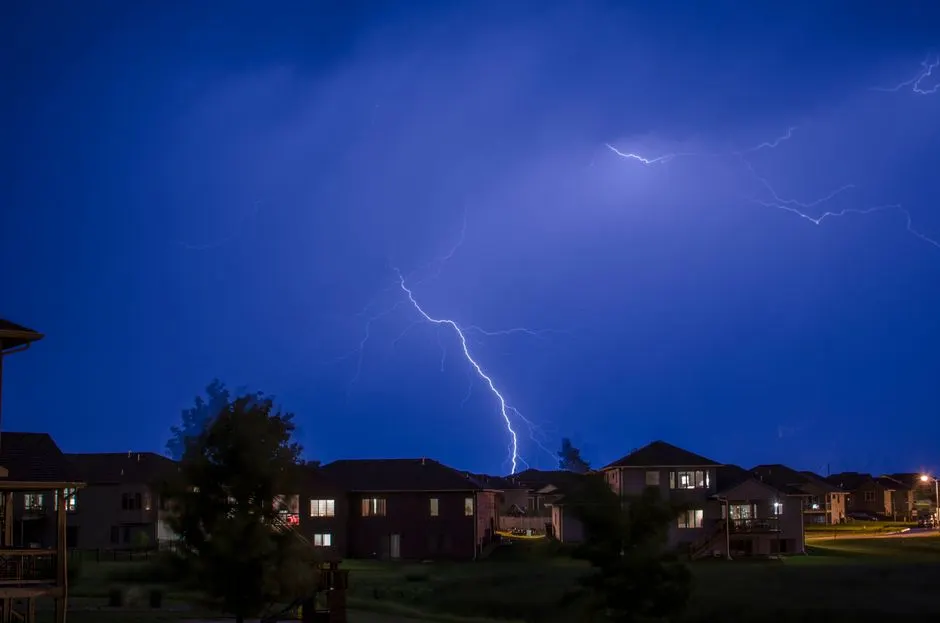
You prevent electrical fires during Salisbury storm season by reducing surge exposure, keeping water away from energized equipment, and inspecting for damage before you reset a single breaker. The two most important moves are unplugging sensitive electronics before the storm arrives and never touching a panel that has been wet. The rest of this post walks through what we see on storm calls across Salisbury, from the City Centre to the neighborhoods along the Wicomico, and what you can do before, during, and after a storm to keep your home safe.
Why Salisbury storm season creates electrical fire risks
Salisbury storm season runs roughly from June through November, with the highest risk in late summer and early fall when hurricanes and nor'easters push up the Delmarva Peninsula. The combination of heavy rain, high wind, and an aging housing stock creates conditions that don't exist in calmer months.
Three specific factors drive electrical fires here. First, power surges from lightning strikes and grid switching can push thousands of volts through wiring rated for 120. Second, water intrusion into panels, outlets, and exterior fixtures creates short paths that ignite insulation. Third, tree and limb damage to service drops and mastheads leaves conductors exposed or partially severed, which is a fire waiting for a load.
Older homes in Salisbury are especially vulnerable. Many houses built before 1980 still have two-wire circuits with no equipment ground, and some still have aluminum branch wiring. Those systems tolerate normal loads fine. They do not tolerate surges and water the way modern grounded wiring does.
Before the storm: pre-season electrical checks
Pre-season electrical checks in Salisbury should happen in May, before the first named storm forms. A two-hour visit from a licensed electrician catches most of the conditions that turn a storm into a fire.
Here's what we look at on a pre-season inspection:
- Panel condition. Rust, scorch marks, or a burning smell at the panel means the main breaker or bus bars are compromised. We see this most often in homes near the Wicomico River where humidity stays high year-round.
- Grounding and bonding. A proper ground rod and bonded water line give surges somewhere safe to go. Without them, the surge goes through your appliances and wiring.
- Exterior outlets and fixtures. Every outdoor outlet should have a working GFCI and a weatherproof cover. A cracked cover is a direct path for rain.
- Service mast and weatherhead. The point where power enters your home takes the brunt of wind. Loose conduit or a cracked weatherhead means water can run straight into the meter base.
- Trees near the service drop. Limbs within 10 feet of the line should come down before storm season, not after.
If your panel is more than 25 years old or still has fuses, this is the year to address it. We handle Electrical Panel Upgrade Salisbury MD before storm season so you're not making that decision in the dark after a strike.
Surge protection is the other pre-season investment. A whole-home surge protector installed at the panel costs $300 to $600 in 2026 and diverts most lightning-induced surges before they reach your outlets. Point-of-use strips help, but they don't replace panel-level protection.
During the storm: what to do and what to avoid
During the storm, your job is to reduce the number of energized paths in your home and keep water away from all of them. Do this before the first flash of lightning, not after.
Unplug sensitive electronics - TVs, computers, gaming consoles, and anything with a motor. A surge that enters through the panel will find the most sensitive component first. Unplugging removes that path entirely.
Do not go near the electrical panel during the storm unless you smell burning. If you do smell burning, get everyone out and call 911 from outside. A panel that is arcing inside is not something to investigate with a flashlight.
If the power goes out, use flashlights, not candles. Candles cause more house fires during storms than electrical faults do. If you run a portable generator, plug appliances directly into it with heavy-duty cords. Never backfeed a generator into a wall outlet - that practice has killed utility workers and burned down homes.
If you have a standby generator, now is when it earns its cost. A properly installed unit with a transfer switch keeps your panel isolated from the grid and your critical circuits live. If yours won't start or the transfer switch won't engage, that's a job for an electrician - we handle Emergency Generator Repair Salisbury MD during and after storms.
After the storm: inspecting for hidden damage
After the storm passes, inspect for hidden damage before you reset breakers or plug anything back in. The most dangerous moment in a storm event is the hour after the wind stops, when homeowners flip switches on systems that took on water.
Walk the exterior first. Look at the service drop, the mast, and the meter base. If the mast is bent, the weatherhead is cracked, or you see scorch marks on the siding, stop and call an electrician. Do not reset the main breaker.
Inside, check for water in the panel. Open the panel door only if you can do it with dry hands and dry feet, and only if the main breaker is already off. Water inside a panel is a guaranteed short. We see this most often in low-lying blocks near Emergency Electrician in Salisbury City Centre, where storm drains back up and basements take on inches of water.
If your panel was submerged or even splashed, it needs a full inspection before re-energizing. We perform Water Damaged Electrical Panel Inspection Salisbury MD on panels that took on water, and in most cases the panel and the breakers inside it need replacement, not drying.
Check every GFCI outlet in the house. Press the test button. If it doesn't trip, the outlet has failed and needs replacement before it can protect anything. GFCIs are cheap and they are the single most effective device against electrical shock in wet areas.
What electrical hazards should I watch for during storms in Salisbury Maryland?
The hazards to watch for during storms in Salisbury Maryland are downed lines, water in panels, burning smells, sparking outlets, and partial power loss. Each one has a different response.
Downed lines. Treat every downed wire as live. Stay 30 feet back and call 911, then call the utility. Do not let pets or children near it.
Burning smell at the panel or an outlet. This is the clearest sign of an electrical fire in progress. Evacuate, then call 911. We handle Electrical Burning Smell Inspection Salisbury MD once the fire department clears the scene.
Sparking outlets. If an outlet sparks when you plug something in, stop using it. A sparking outlet is arcing behind the wall, and the arc is what ignites framing. We repair Sparking Outlet Repair Salisbury MD same-day during storm season.
Partial power loss. If half your house is dark and half is live, you have a lost leg on the service. That condition can damage every 240-volt appliance you own and it sometimes precedes a panel fire. Call us for Partial Power Loss Repair Salisbury MD rather than waiting it out.
Common mistakes that lead to electrical fires
The mistakes that lead to electrical fires during Salisbury storm season are almost always about timing - doing the right thing at the wrong moment. Here are the ones we see most.
- Resetting a breaker that tripped during the storm without finding out why. A breaker that trips once is a nuisance. A breaker that trips three times in an hour is telling you there's a fault. Stop resetting it and call us.
- Plugging a generator into a dryer outlet. This backfeeds the panel and energizes the lines outside your house. It's illegal, it's lethal to linemen, and it's a common cause of post-storm house fires.
- Using a wet vacuum or shop vac on a flooded basement before the power is off. Water plus a running motor plus a live circuit is the exact combination that kills people after storms.
- Ignoring a flickering light after the storm. Flickering that starts after a storm usually means a loose neutral or a damaged service conductor. Both are fire risks. We diagnose these with Flickering Lights Electrical Repair Salisbury MD.
- Assuming a surge protector saved everything. A surge strip that took a direct hit is dead even if it looks fine. Replace any surge strip that was in use during a close strike.
When to call a professional
Call a professional electrician when you see or smell evidence of electrical damage, when a breaker won't reset, when part of your home has no power, or when water has reached any part of your electrical system. Those are not DIY conditions.
At Salisbury Electric Response, we run storm calls across the Salisbury area with a focus on making the system safe first and diagnosing second. We find the fault, isolate it, and repair it before we leave. If your panel needs replacement or your service needs a rebuild, we tell you that on the first visit so you're not guessing.
If you're not sure whether what you're seeing is serious, call anyway. A five-minute phone conversation is cheaper than a house fire.
Frequently Asked Questions
How can I prevent electrical fires during storm season in Salisbury MD?
Unplug sensitive electronics before the storm, install a whole-home surge protector, keep water away from panels and outlets, and inspect for damage before resetting any breaker. Pre-season checks in May catch most risks. If you see scorch marks, smell burning, or find water in the panel, call an electrician before restoring power.
What electrical hazards should I watch for during storms in Salisbury Maryland?
Watch for downed power lines, water in the electrical panel, burning smells, sparking outlets, and partial power loss. Treat every downed line as live and stay 30 feet back. A burning smell or sparking outlet means evacuate and call 911. Partial power loss usually signals a lost service leg and needs same-day repair.
Should I unplug appliances during a storm in Salisbury MD?
Yes - unplug TVs, computers, gaming consoles, and anything with a motor before the storm arrives. Surges enter through the panel and damage the most sensitive components first. Unplugging removes that path. You don't need to unplug your refrigerator or furnace for a typical thunderstorm, but do it for a named hurricane.
Who do I call for storm electrical damage in Salisbury Maryland?
Call Salisbury Electric Response at (410) 589-2829 for storm electrical damage in Salisbury Maryland. We handle downed service drops, water-damaged panels, partial power loss, burning smells, and sparking outlets. For downed utility lines, call 911 and the utility first, then call us for the repairs on your side of the meter.
How much does storm electrical repair cost in Salisbury MD?
Typical 2026 storm electrical repair in Salisbury runs $250 to $600 for a diagnostic and minor repair, $900 to $2,500 for a panel replacement, and $1,500 to $4,000 for a service mast or drop rebuild. Whole-home surge protection installed at the panel costs $300 to $600. We quote the job before we start.
Get help with Emergency Electrician in Salisbury
If a storm has left you with a burning smell, a wet panel, sparking outlets, or half your house dark, don't wait it out. Call Salisbury Electric Response at (410) 589-2829 and we'll get a licensed electrician to your door.
We serve homeowners and businesses across Salisbury and the surrounding Delmarva area, and we're set up for storm-season call volume. One call, and we'll make your system safe.