Focused arrival windows
Useful updates and clear arrival timing.
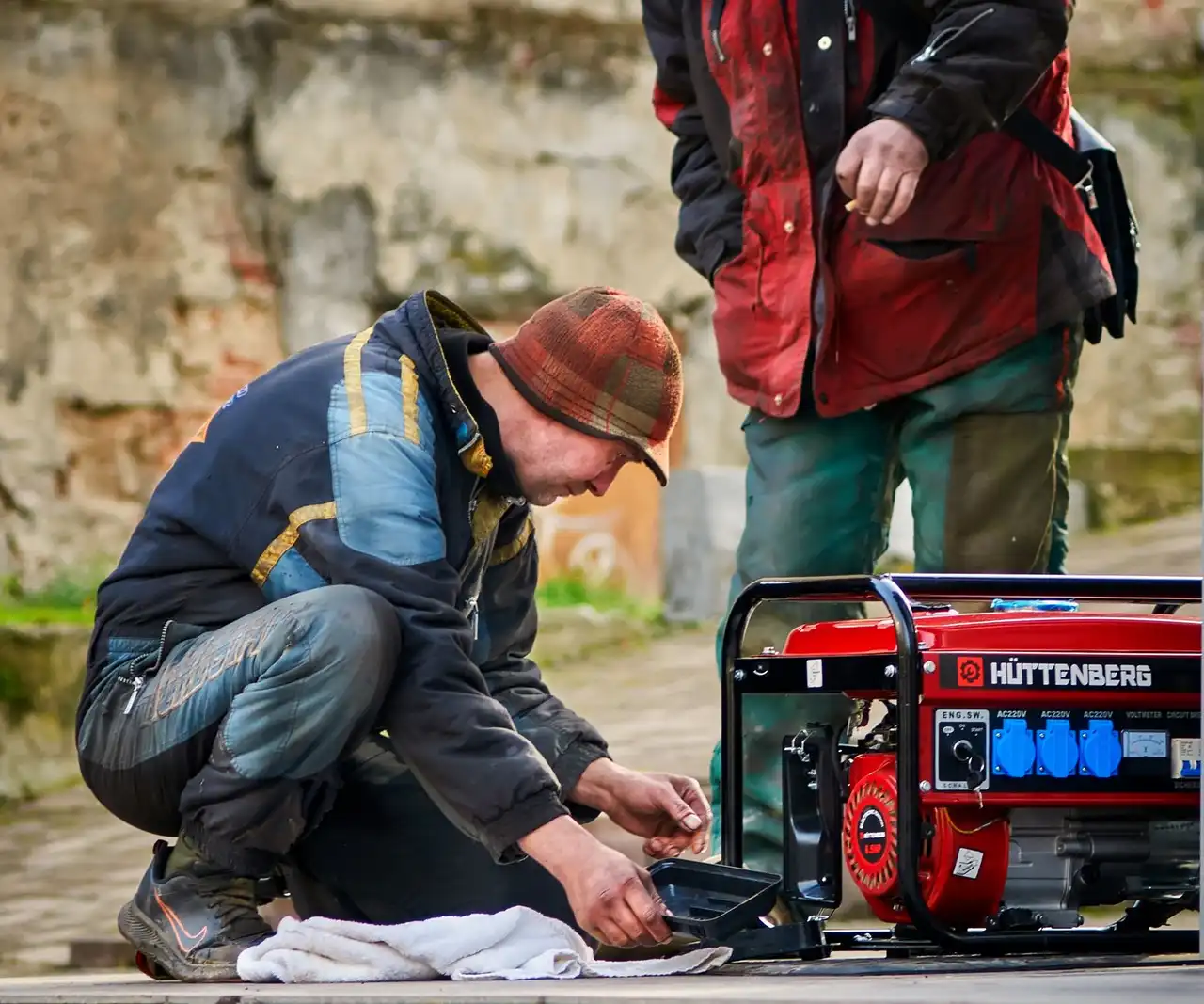
Electrical Burning Smell Inspection Salisbury MD is the fastest way to find out why your home or shop smells like scorched plastic. We serve homeowners, renters, and commercial property managers across Salisbury and Wicomico County. If you catch a burning odor, a hot receptacle, or flickering lights, call us at (410) 589-2829 and we will trace the fault to its source the same day.
Useful updates and clear arrival timing.
Review the approach and price before deciding.
Equipped vehicles and respectful cleanup.
Neighbors serving neighbors with follow-through.
Every Electrical Burning Smell Inspection Salisbury MD visit covers a full diagnostic sweep of the affected circuits and the panel that feeds them. Repairs are quoted separately so you can decide with real numbers in front of you. Here is what is included in the base inspection.
We pull the dead front and inspect the main breaker, branch breakers, bus bars, and neutral bar for heat discoloration, corrosion, and loose terminations. Each breaker gets a visual check and a load reading where the circuit is energized.
Every outlet, switch, and fixture on the affected circuit gets tested with a receptacle tester and a voltage tester. We pull devices where the smell is strongest and inspect the wire connections behind them for heat damage.
A Fluke clamp meter reads actual current on each suspect circuit. If a circuit is drawing more than its breaker rating, we identify what is causing the overload and tell you which loads need to move.
We open accessible junction boxes on the affected run and inspect wire nuts, splices, and Romex wire for scorching or melted insulation. Heat damage inside a box is one of the most common findings on these calls.
You get a plain-English summary of what failed, why, and what it costs to repair. We photograph the damaged component and leave the failed part with you so there is no question about what we found.
Share what is happening and receive a clear next step from the local team.
An Electrical Burning Smell Inspection Salisbury MD is a systematic hunt for the component that is overheating. A burning odor usually comes from one of five places: a failing circuit breaker, a loose backstab connection behind an outlet, a wire nut that has cooked inside a junction box, a failing light switch, or a neutral bar that has started to arc inside the panel. We open the devices, meter the circuits, and confirm the fault before we quote any repair.
Salisbury homes deal with real electrical stress. Summer humidity pushes air conditioners and dehumidifiers to run near-continuous duty, and older housing stock around Milford and Bemerton Heath still carries aluminum branch wiring and undersized panels. That combination produces the burning wire smell Salisbury residents call us about most often. We see it after heat waves, after storm outages, and after a tripping circuit breaker has been reset one too many times.

We ask three questions: where is the smell strongest, is anything warm to the touch, and has a breaker tripped. That tells us whether to have you kill the main and wait outside. Takes about four minutes and it is free.
Our technician confirms the panel is de-energized where needed, then walks the affected rooms with a receptacle tester and a non-contact voltage tester. We check every outlet, switch, and fixture on the circuit that smells. Fifteen to twenty minutes.
We pull the dead front and inspect the bus bars, breaker terminals, and neutral bar for discoloration or heat damage. A Fluke clamp meter reads load on each circuit so we can see which one is drawing more than it should. Twenty to thirty minutes.
Once we find the hot spot, we isolate it. That may mean opening a junction box to inspect wire nuts and Romex wire, or pulling a device out of the wall to check the connections behind it. We photograph everything before we disturb it.
You get a plain-English rundown: what failed, why it failed, what it costs to fix, and whether the circuit is safe to use in the meantime. Most repairs are completed the same visit if you approve them on the spot.
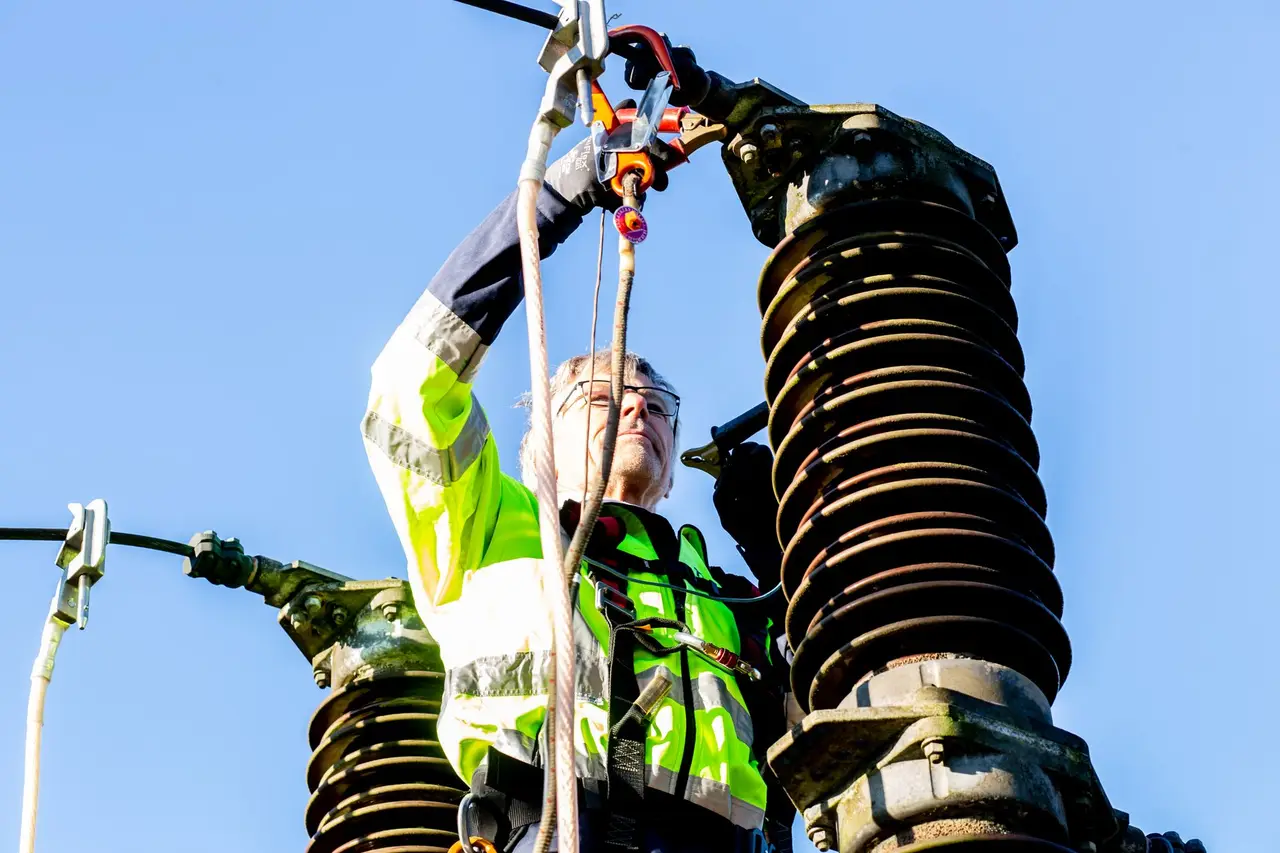
Reads actual current on each suspect circuit so we can see overloads and imbalances that a visual inspection would miss.
Confirms presence or absence of voltage before we touch any conductor, which is the first safety step on every job.
Checks wiring polarity, grounding, and GFCI function at each outlet on the affected circuit in seconds.
Rated for 1,000 volts and used for every termination we open inside a panel or device box.
Maps which breaker feeds which outlet without guesswork, so we isolate the right circuit the first time.
Used when a damaged run has to be cut back and re-terminated, or when a new conductor has to be pulled through existing conduit.
Every repair follows the current National Electrical Code, including box fill, grounding, GFCI placement, and conductor sizing. We do not tape over heat damage or leave an undersized splice in a wall.
We treat every panel as energized until proven otherwise, use the right PPE for the available fault current, and follow arc-flash boundaries on commercial calls.
Once a circuit is repaired, we energize it and run a real load through it. If the fix does not hold under load, it is not finished, and we keep working until it does.
We look for discolored terminals, melted insulation, carbon tracking, and heat-stained breakers. These visual clues point us to the fault faster than any meter alone.
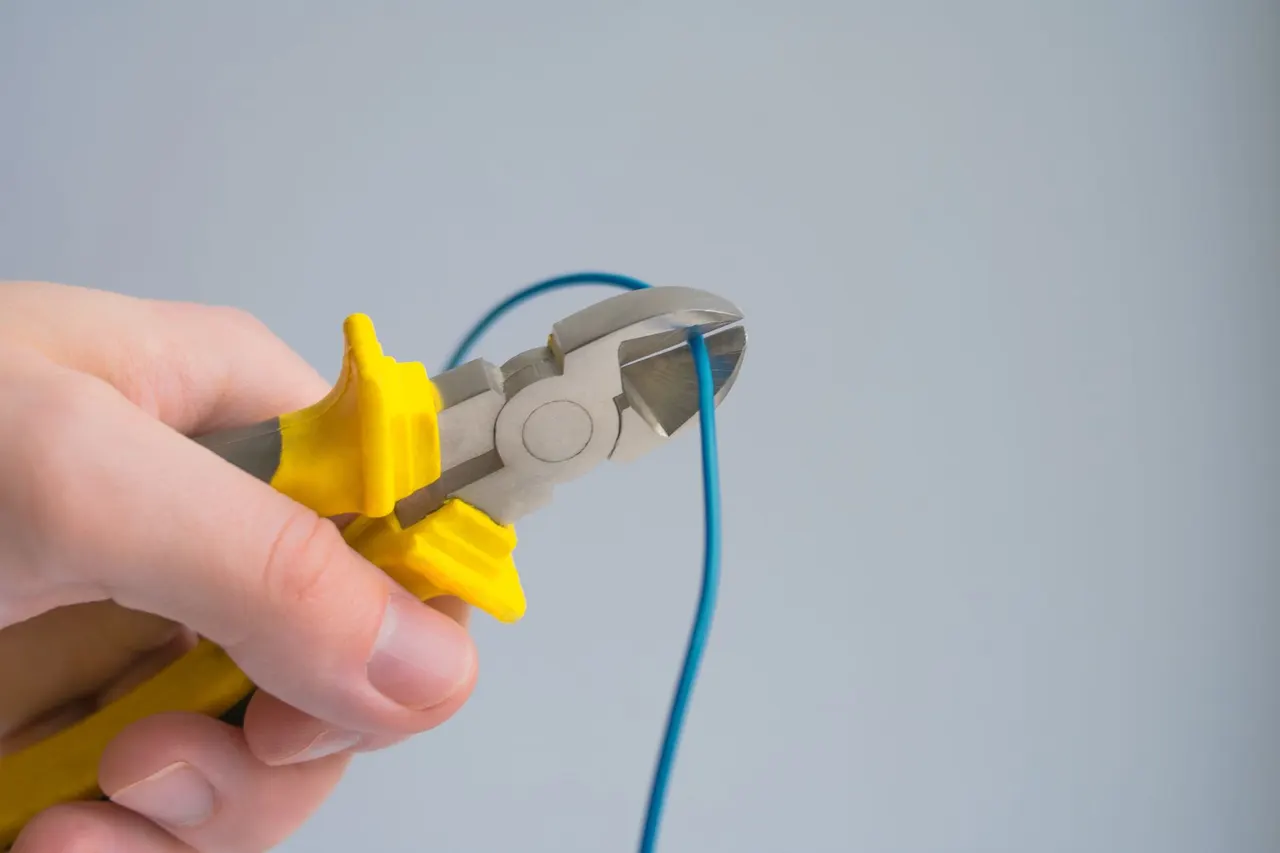
We pull the outlet and the ones on either side of it, inspect the connections, and meter the circuit under load. The fault is usually a backstab connection that has cooked behind the drywall. You get the failed device replaced and the circuit verified, usually within a single visit.
We inspect the breaker, the bus stab it sits on, and the neutral bar. Repeated trips plus a smell almost always means the breaker or its connection is failing. The breaker is replaced or the panel connection is repaired, and the circuit holds under full load.
We inspect, photograph the failed component, and provide written findings with the repair invoice. Everything is dated and itemized for your records. The fault is repaired and you have a paper trail that satisfies your insurance and your tenant.
We isolate the circuit, check the dedicated outlets and the panel feeding them, and repair the overheating device without shutting down more of the building than necessary. The kitchen reopens the same day with the faulty circuit repaired and load-tested.
Salisbury electrical problems follow the local weather and the local building stock. Summer humidity here keeps air conditioners and dehumidifiers running hard from June through September, and that continuous load is what cooks loose connections in older homes. Fall brings storm outages, and when the utility re-energizes a block, any weak lug or water-damaged panel shows itself fast. Winter sends space heaters into bedrooms with 60-year-old wiring, and that is when we see the most overheating outlet calls. Our technicians know the housing patterns around Salisbury City Centre and Milford, where aluminum branch wiring and 100-amp panels are common, and they know the commercial corridors where three-phase equipment and dedicated kitchen circuits need a different approach. When you call for a Salisbury MD electrical burning odor, we bring the tools for both. If you need a 24/7 burning odor inspection Salisbury Maryland, we answer the phone around the clock and dispatch from inside the city, not from a call center two counties away.
Older rowhouses and converted buildings with original wiring. Burning smells here often trace to backstab connections and overloaded circuits that were never updated.
Mid-century ranches with 100-amp panels and aluminum branch circuits. Heat damage at the panel is a common finding on these calls.
Mix of residential and small commercial. We handle both house calls and restaurant equipment circuits in the same day.
Larger homes with added square footage and subpanels. Overloaded subpanels and undersized feeders show up regularly.
Dense residential blocks where a single failed service can affect shared walls. We isolate quickly to protect neighboring units.
Loose connections heat up faster when a circuit runs near its limit for hours. We check terminations under load, not just visually.
Weak lugs and water-damaged panels fail when power comes back. We inspect the service entrance after major storms before restoring full load.
Aluminum expands and contracts more than copper, so terminations loosen over time. We use approved connectors and re-terminate to spec.
Portable heaters push 12 to 15 amps on circuits never designed for it. We identify overloaded circuits and recommend dedicated runs where needed.
A homeowner in Salisbury City Centre smelled burning plastic every time the microwave ran. The outlet was warm to the touch, and the breaker had tripped twice in a week.
We pulled the outlet and found a melted backstab connection. The device was replaced, the conductors were cut back and re-terminated on screw terminals, and the circuit held a 15-amp load test for 30 minutes.
Maintenance: Keep heavy appliances on dedicated circuits where possible, and check outlet faceplates for warmth once a season. If a breaker trips twice, call before resetting it a third time.
A Milford homeowner reported a fish-like burning odor near the panel and flickering lights in half the house. The panel was a 1970s unit with original breakers.
We found a burned neutral lug and heat-damaged bus stabs. The panel was replaced with a 200-amp service, all branch circuits were re-terminated, and the utility reconnected the same day.
Maintenance: Have the panel inspected every few years, especially after storms. Keep the area around it clear, and never store flammable items against the cover.
A Bemerton Heath restaurant smelled burning behind the walk-in cooler during dinner service. The dedicated outlet was discolored and the breaker was warm.
We replaced the outlet with a commercial-grade device, re-terminated the circuit, and load-tested it at full compressor draw. The kitchen reopened the same evening with no further smell.
Maintenance: Schedule an annual inspection of dedicated equipment circuits. Heat discoloration on an outlet face is the earliest warning sign and should never be ignored.
A burning odor is a symptom, and the underlying fault is usually one of a handful of failures. Here is what we find most often when Salisbury customers call us for an affordable burning smell inspection Salisbury MD.
Loose backstab connections heat up under load and can ignite the box or the wall cavity behind it. We pull the device, cut back any heat-damaged wire, and re-terminate on screw terminals or replace the device with a new one. Then we load-test the circuit to confirm the fix holds.
A failing breaker stops protecting the circuit, which turns a small overload into a wiring fire risk. We test the breaker under load, replace it with a current-manufacture unit matched to your panel brand, and verify the trip curve so the circuit is properly protected again.
Utility re-energization after an outage can expose a damaged service mast, water intrusion, or a loose main lug that then overheats. We inspect the service entrance, meter base, and main panel for damage, repair what failed, and confirm the system is safe before the utility is asked to reconnect.
A dropped leg or burned neutral can leave half the house dead and the other half running on an unbalanced, overheating service. We trace the loss from the meter to the panel, repair the failed connection, and re-balance the load so both legs carry what they should.
$150 - $850 depending on scope
Typical 2026 pricing for an Electrical Burning Smell Inspection Salisbury MD runs $150 to $350 for the diagnostic visit, and most repairs add $85 to $450 on top. The variables are how many circuits we have to open, whether the fault is at a device or inside the panel, and whether the call is after hours. We quote the repair price before we start, and if the fix is a simple device replacement, that is all you pay for. No panel replacement pitch unless the panel actually needs it.
You are paying for a licensed electrician, real metering equipment, and a repair that holds under load. The alternative is a house fire or an insurance claim that costs far more than the inspection ever will.
A single-circuit fault takes less time to isolate than a smell that could be coming from any of six branch circuits. Each additional circuit adds diagnostic time to the visit.
A failed outlet is a quick repair. A burned neutral bar or heat-damaged bus stab inside the panel takes longer and may require a panel repair or replacement.
Nights, weekends, and holidays carry a higher trip charge because we keep electricians on rotation. We tell you the number on the phone before we dispatch.
Standard residential devices cost less than commercial-grade or GFCI receptacles. We use the grade the circuit and the code require, and we explain the difference before we install.
If the fault is in a junction box behind finished drywall or in an attic run, access time adds to the labor. We tell you what we expect before we open anything.
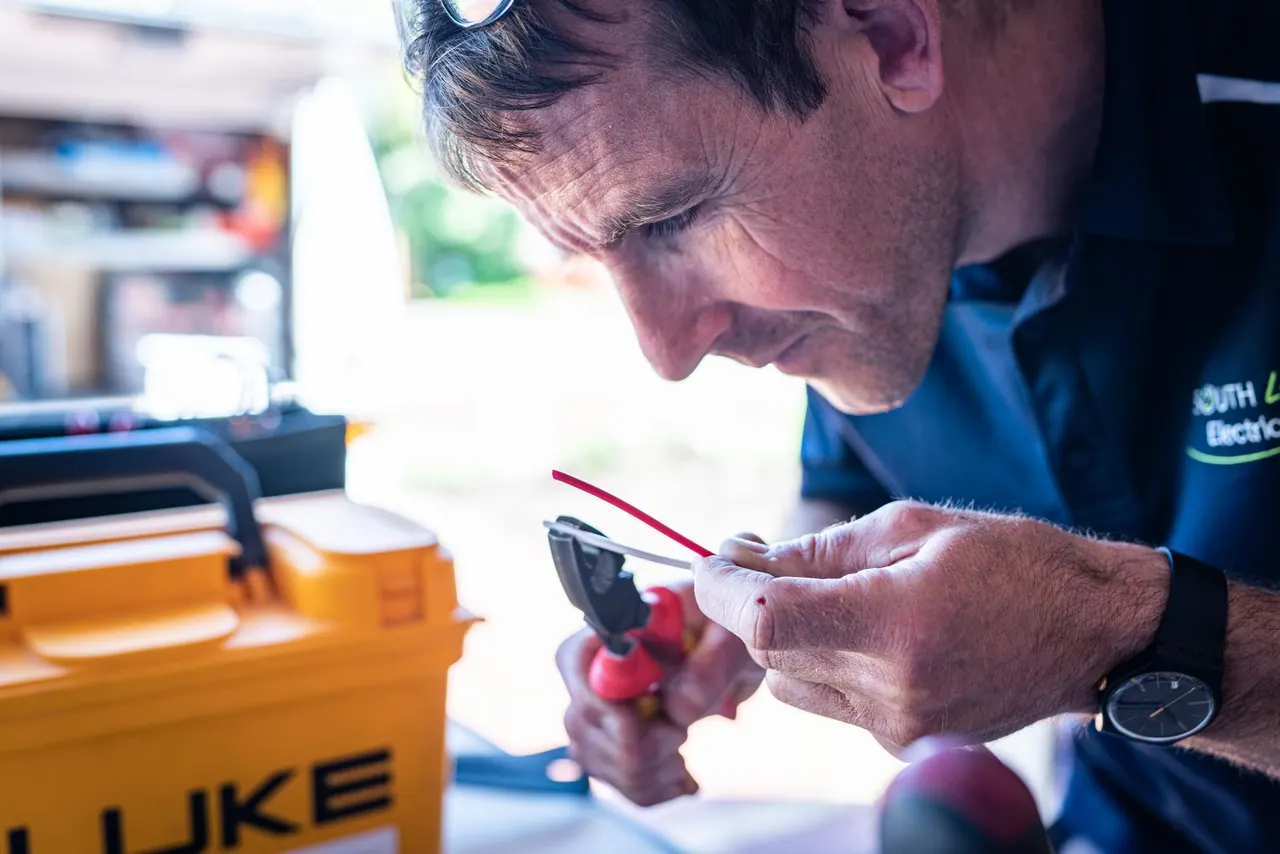
Our electricians hold Maryland Master Electrician and Journeyman Electrician licenses and work to NEC code and NFPA 70E standards on every job. We carry OSHA safety certification and keep current on EPA rules that apply to older wiring and panel disposal. We have opened panels across Wicomico County in every kind of building Salisbury has: 1920s downtown rowhouses, 1970s ranches off Milford, and modern commercial fit-outs near Route 13. That range matters, because a burning smell in a knob-and-tube attic reads nothing like one in a 400-amp commercial panel.
Smelled burning plastic in the kitchen and could not find it. These guys traced it to a scorched backstab connection behind the microwave outlet in about 40 minutes. They showed me the melted wire and replaced the outlet the same visit. Price was exactly what they quoted on the phone.
My tenant called at 9 p.m. about a burning odor near the panel. The electrician was there before 11 and found a loose neutral lug that had cooked. He documented everything with photos for my insurance and repaired it that night. I use them for all my rental units now.
We had a burning smell behind the walk-in cooler during dinner service. They isolated it to an overheating outlet on a dedicated circuit, replaced the device, and load-tested it before we reopened the kitchen. Fast, clean, and they knew commercial code.
The most common cause is an overheating connection, usually at a receptacle, switch, or breaker terminal. In Salisbury, we also find burned-out blower motors and dust cooking off baseboard heaters. If the smell is sharp and plasticky, kill the circuit and call (410) 589-2829. If it smells like fish, that is often a failing breaker and needs the same response.
Typical 2026 pricing for an electrical burning smell inspection in Salisbury Maryland runs $150 to $350 for the diagnostic visit, depending on how many circuits we have to open. Repairs are quoted separately and usually add $85 to $450. After-hours and weekend calls carry a higher trip charge, which we tell you on the phone before we roll.
A licensed electrician should do it, not a handyman. Burning odors come from energized parts, and tracing them safely requires a voltage tester, a clamp meter, and NFPA 70E training. Our Maryland-licensed electricians handle these calls daily across Salisbury and Wicomico County, including rental properties and small commercial buildings.
Yes, treat it as one. A burning odor means something is already hot enough to degrade insulation, and that process can accelerate fast. Shut off the affected breaker, unplug nearby devices, and call us at (410) 589-2829. If you see smoke or flame, leave the building and call 911 first.
Not seeing your question? Our local team can help you understand urgency, scheduling and what to expect.
Ask the local team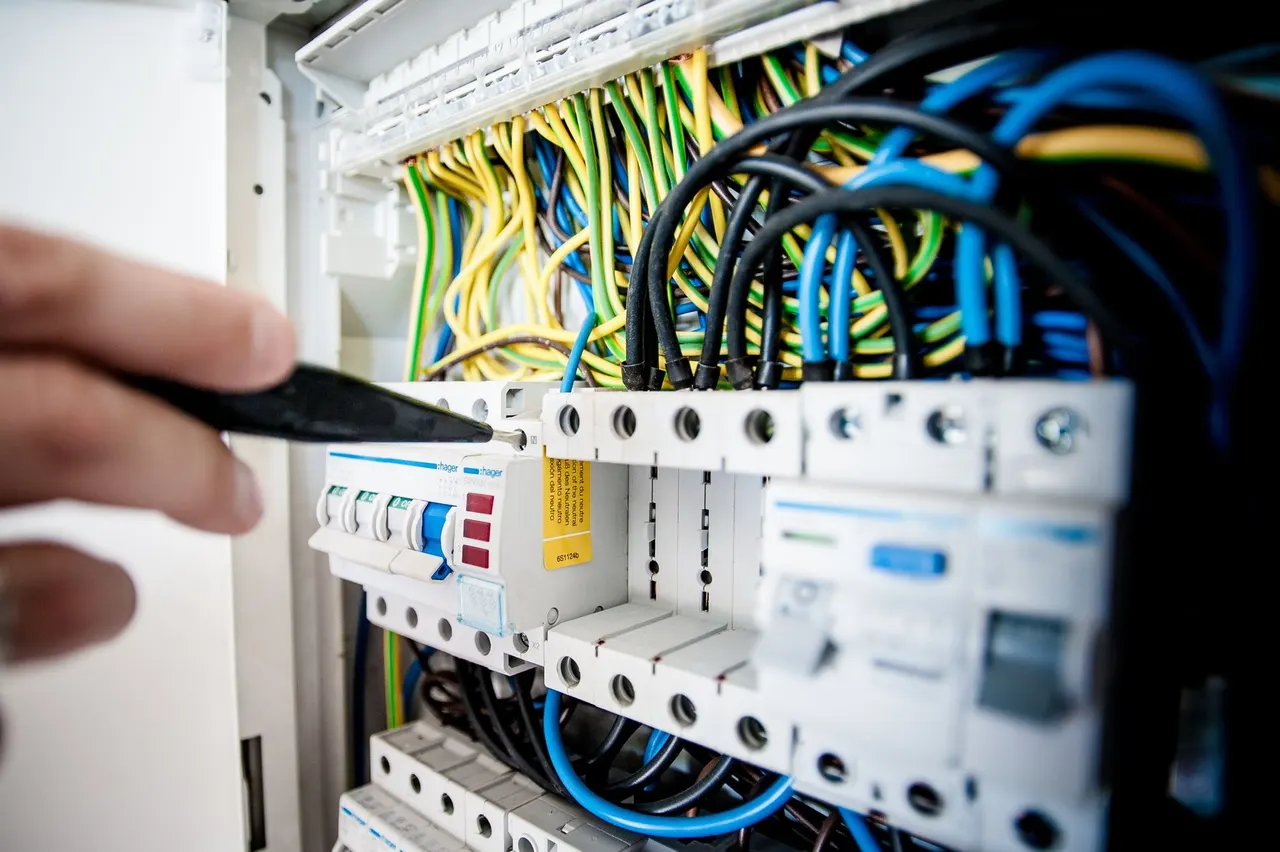
When a burning smell turns out to be a failed device in a home, our residential emergency electricians handle the repair the same visit. We work in occupied houses, keep the power on where we safely can, and clean up before we leave.
View serviceRestaurants, retail, and offices around Salisbury cannot wait on a burning odor. Our commercial emergency electricians isolate the fault, protect your refrigeration and POS circuits, and get you back to code without a full shutdown if the panel allows it.
View service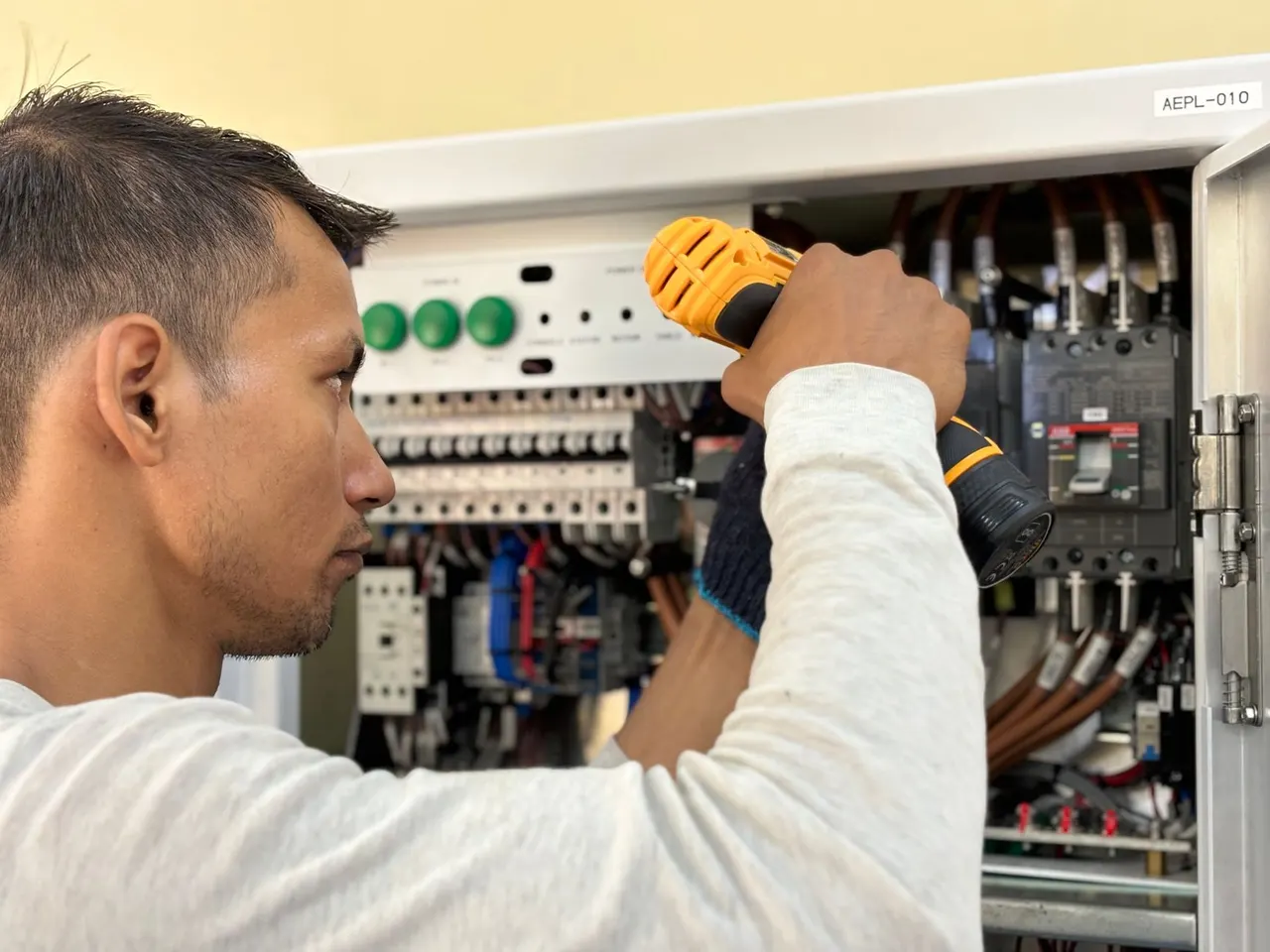
A breaker that smells hot is a breaker that is failing. We repair or replace the unit, torque the terminals to spec, and verify the trip curve so the circuit is protected the way it was designed to be.
View service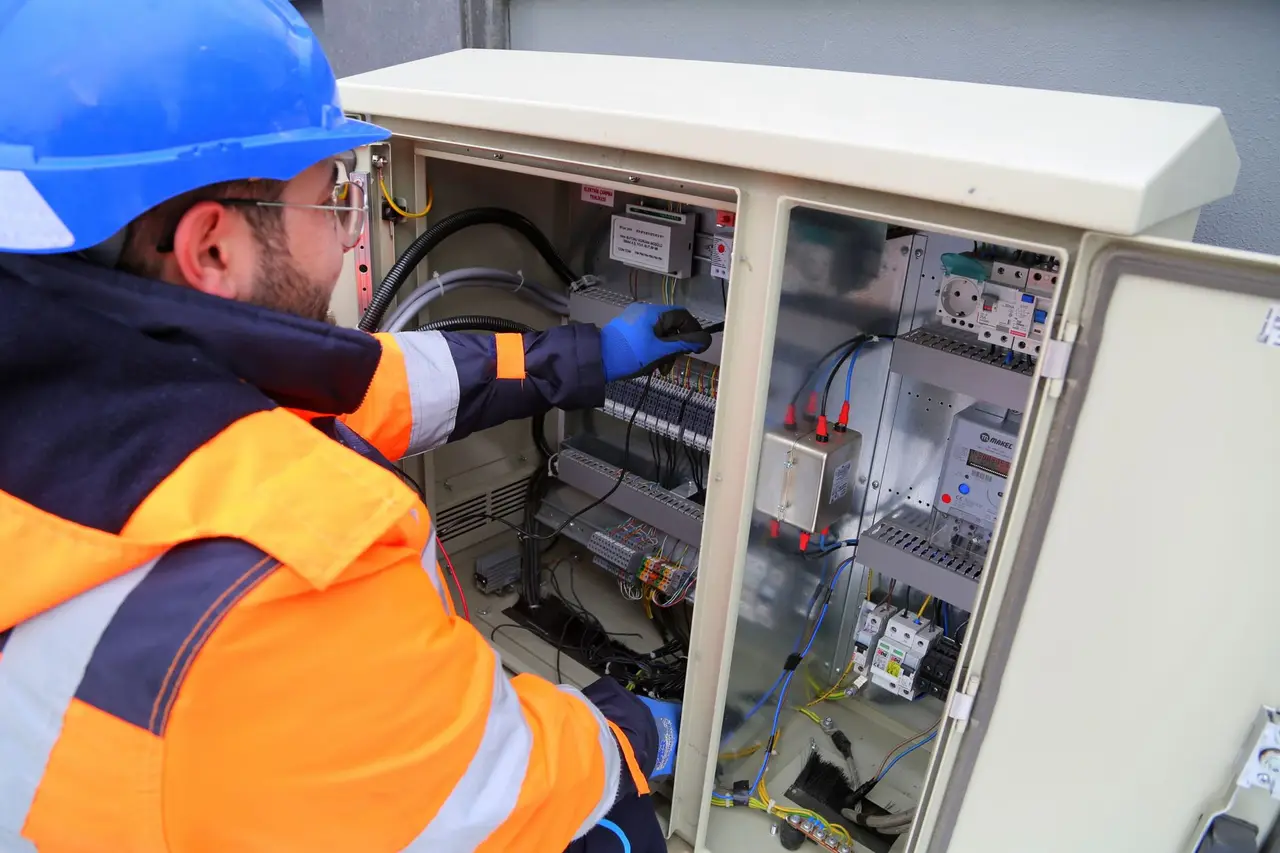
Obsolete breakers from retired panel lines cannot always be sourced safely. We replace them with current-manufacture units matched to your panel brand, then test each circuit under load before we close the cover.
View service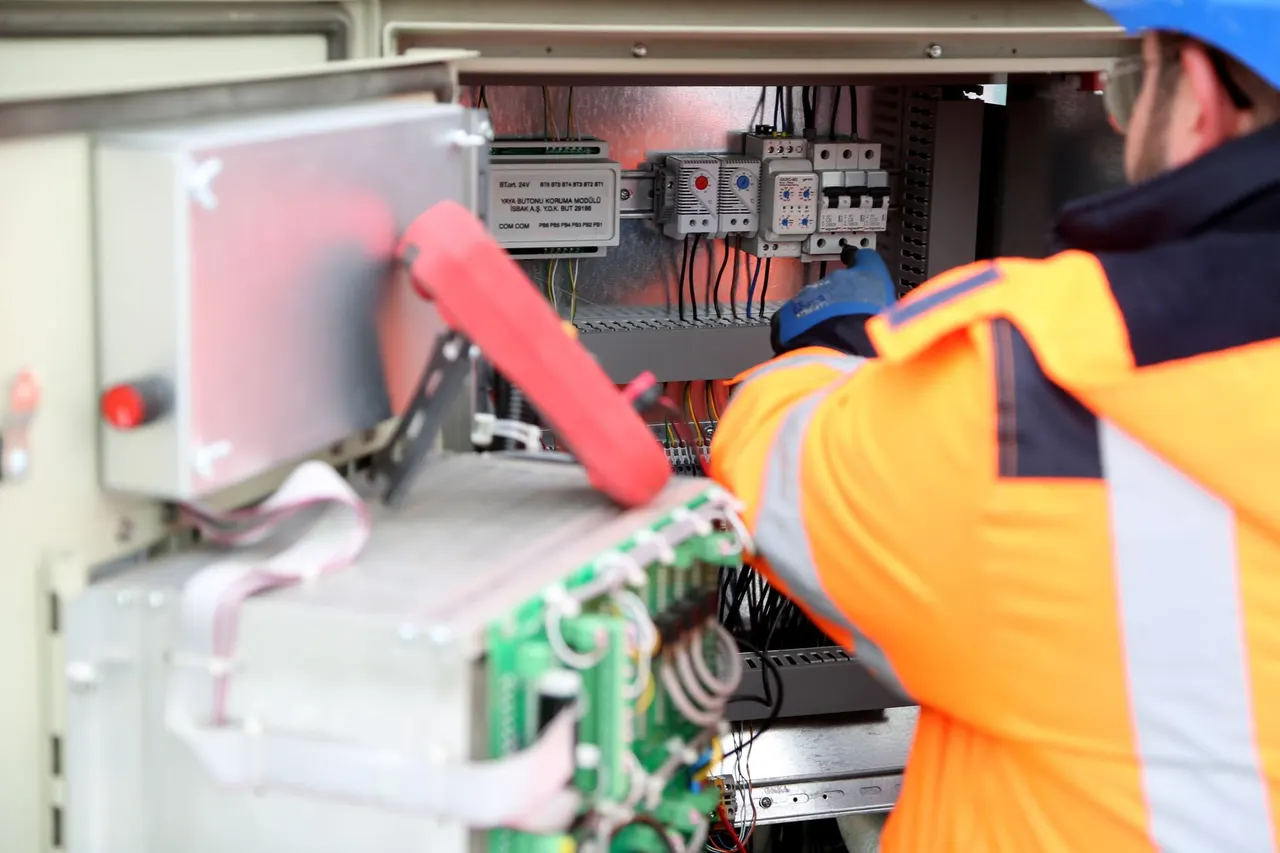
Our line is open 24 hours a day, every day of the year. Call (410) 589-2829 and a live dispatcher will take your address and the problem, then send the nearest licensed electrician. For non-urgent work, email us and we will schedule a visit that fits your day.