Focused arrival windows
Useful updates and clear arrival timing.
Flickering Lights Electrical Repair Salisbury MD starts with finding the fault, not guessing at it. Our licensed electricians test your panel, outlets, and switch legs with a Fluke meter and a receptacle tester until we isolate the cause. Whether it is one bedroom light or the whole house pulsing, we handle emergency flickering lights repair Salisbury homeowners call about at 2 a.m. We serve Wicomico County with same-day scheduling and code-correct repairs.
Useful updates and clear arrival timing.
Review the approach and price before deciding.
Equipped vehicles and respectful cleanup.
Neighbors serving neighbors with follow-through.
Every flickering light call includes a full diagnostic and a code-correct repair of the fault we find. Here is what is covered. If we discover a separate issue, such as a failing panel or damaged service entrance, we tell you before we touch it and quote it separately.
We test the panel, the affected circuit, and every device on it with a Fluke multimeter and a receptacle tester. You get a clear explanation of what is causing the flicker and where it is located.
Loose backstabs, worn wire nuts, and overheated terminations are rebuilt with proper pigtails and listed connectors. We use new junction boxes where the old one is damaged or undersized.
If a breaker or device has failed, we replace it with a matching Square D, Eaton, Siemens, or Leviton component. Lugs are torqued to spec and the circuit is load-tested afterward.
Before we leave, we load the circuit and watch for voltage drop at every outlet we touched. You get a final reading and a plain-language summary of the repair.
Rental owners and commercial clients get a written summary of what was found and what was repaired. It is useful for tenant records, insurance, and future service calls.
Share what is happening and receive a clear next step from the local team.
Flickering Lights Electrical Repair Salisbury MD is the licensed diagnostic and repair service that traces intermittent lighting faults to their source: a loose neutral in the panel, a backstabbed outlet connection, a failing circuit breaker, or arcing inside a junction box. We do not just tighten a bulb and leave. Our electricians use a multimeter and clamp meter to measure voltage drop under load, then open every device on the circuit until the bad connection is found and rebuilt with proper terminations.
In Salisbury, flickering lights usually show up in older homes with aluminum branch wiring or push-in receptacles, and after nor'easters push moisture into outdoor fixtures and meter bases. If you are searching why are my lights flickering Salisbury MD, the answer is rarely the bulb. It is almost always a connection that is heating up. We treat every flicker as a potential fire hazard until proven otherwise, and we document what we find so you know exactly what was wrong.
We ask three questions: which lights flicker, whether it happens on one circuit or several, and whether you smell anything hot. That tells us whether to treat it as an emergency or schedule a same-day diagnostic. You get a realistic arrival window, not a four-hour maybe.
Our electrician opens the panel and checks for a loose neutral, a scorched bus bar, or a Square D or Eaton breaker that is not seating properly. We measure line voltage and load voltage with a Fluke meter. This step takes 15 to 25 minutes and often finds the problem before we open a single device box.
We pull outlets and switches on the affected circuit and inspect every termination. A receptacle tester and a clamp meter confirm which devices are dropping voltage under load. Loose backstabs, worn Leviton switches, and overheated wire nuts are the usual suspects. We photograph anything unsafe.
We rebuild the bad connection with proper pigtails, new wire nuts, and, where needed, a new junction box. If a breaker is failing, we replace it with a matching Square D, Eaton, or Siemens unit. If the wire itself is damaged, we run new Romex or THHN as required. Most repairs finish in two to four hours.
Before we leave, we load the circuit and watch for voltage drop, then re-test every device we touched. You get a plain-English summary of what was wrong, what we fixed, and what to watch for. If we recommend a follow-up, we tell you why and what it costs.
Used to measure line voltage, load voltage, and current draw so we can see exactly where the circuit is dropping voltage under load.
Confirms presence or absence of voltage before we open a device box, and verifies that a circuit is truly dead before we work on it.
Checks outlet wiring for open neutral, open ground, and reversed polarity, which are common causes of flickering on a shared circuit.
Identifies which breaker controls a circuit without trial and error, saving time and reducing the risk of shutting off the wrong load.
Rated tools for working inside live panels and device boxes, used with NFPA 70E procedures to keep our electricians safe.
Used when a damaged run of Romex or THHN has to be replaced and new wire needs to be pulled through existing walls or conduit.
We measure voltage at the panel and at the farthest outlet on the circuit while the circuit is loaded. A drop of more than a few volts points to a loose connection or an undersized conductor, and it tells us which end of the circuit to open first.
Every splice, pigtail, and device termination we make follows NEC code. We use listed junction boxes, correct wire nuts, and torque terminations to the manufacturer's specification, because a loose connection is what caused the flicker in the first place.
We follow NFPA 70E for arc-flash boundaries and personal protective equipment when working on or near energized equipment. That protects our electricians and keeps your repair compliant with current safety standards.
We photograph unsafe conditions and record voltage readings before and after the repair. Rental owners and commercial clients get a written summary, which makes future service calls faster and gives you a record of the work.
We run a full circuit diagnostic, inspect the panel for double-tapped breakers and loose neutrals, and check every device on the affected circuits. Older homes often have multiple small faults that show up as one flicker. You get a documented list of what was wrong and what we repaired, so you know your new home is safe before you move furniture in.
We treat it as an emergency, talk the tenant through killing the breaker, and dispatch an electrician. We inspect for arcing, repair the fault, and provide a written summary for the property owner. The tenant is safe, the fault is repaired to code, and you have documentation for your records and your insurance.
We test the service and the affected circuits under load, looking for a loose neutral, a failing breaker, or an overloaded panel. We repair after hours when possible so your business stays open. Stable voltage at every outlet, no more flicker, and a repair that meets NEC code for a commercial occupancy.
We inspect the meter base, the service entrance, and the panel for water intrusion and damaged conductors. We repair or replace what the storm damaged and test both legs of the service. Full, stable power restored, with the storm damage repaired rather than patched.
Salisbury's housing stock ranges from mid-century homes with two-wire circuits to newer builds with 200-amp panels, and each era fails in its own way. In older neighborhoods, we find backstabbed outlets, aluminum branch wiring, and panels that have been added onto over decades. In newer construction, flickering often traces to a loose neutral in the panel or a shared circuit that is carrying more load than it was designed for. Nor'easters and summer storms push water into meter bases and outdoor fixtures, which shows up as flickering weeks later. We work to NEC code and Maryland electrical standards on every repair, and we test under load before we call the job done. If you need a 24/7 flickering light fix Salisbury Maryland, we dispatch around the clock.
Older commercial and residential buildings with mixed-era wiring, where loose neutrals and backstabbed devices are common flicker causes.
A mix of rentals and owner-occupied homes where shared circuits and aging breakers cause lights to pulse when appliances start.
Residential streets where we frequently find overheated switch legs and worn devices behind bedroom and hallway fixtures.
Homes with outdoor lighting and detached garages, where moisture intrusion causes intermittent flickering after storms.
Larger homes with multiple subpanels, where a loose neutral in one panel can cause flickering on the far side of the house.
Moisture reaches meter bases, outdoor fixtures, and garage circuits, corroding terminations and causing intermittent flickering that is hard to reproduce on a dry day.
Aluminum terminations loosen over time and heat up under load. We rebuild them with proper connectors and anti-oxidant compound to stop the flicker and reduce fire risk.
Decades of additions leave panels double-tapped and overloaded. We correct the terminations and, when needed, quote a panel upgrade so the flicker does not return.
Seasonal load swings expose weak connections. Flickering that only appears when the HVAC starts is a classic loose-neutral symptom we test for directly.
A homeowner in Bemerton Heath had two bedrooms where the lights flickered whenever the hallway light was switched on. Two prior visits had replaced bulbs and a dimmer with no result. The circuit was still backstabbed at three outlets, and one neutral was showing heat discoloration.
We rebuilt all three outlets with pigtails and new wire nuts, replaced one damaged Leviton device, and load-tested the circuit. Voltage drop under load dropped from 6.2 volts to 0.4 volts. The flicker stopped and has not returned.
Maintenance: Keep the outlets dry and avoid daisy-chaining power strips on that circuit. If you add a space heater, have us check the load first.
A Salisbury City Centre homeowner reported that every light in the house dimmed when the dryer ran. The panel was a 30-year-old Square D unit with a neutral lug that had never been re-torqued. The main breaker was also running warmer than it should.
We de-energized the panel, re-terminated the neutral to spec, replaced the main breaker, and load-tested both legs of the service. Voltage swing under dryer load fell from 9 volts to under 2 volts. The whole-house flicker is gone.
Maintenance: Have the panel inspected every few years, especially after any storm that causes a partial outage. Keep the area around the panel clear and dry.
A tenant in Milford called about a burning smell and pulsing lights near a bathroom switch. The switch leg had arced inside the box and carbon-tracked the device and the wire nut. The breaker had not tripped because the arc was intermittent.
We killed the circuit, replaced the damaged switch leg, installed a new junction box and switch, and tested the circuit under load. The burning smell was gone and the circuit held stable at 120 volts. Total repair time was just under three hours.
Maintenance: Never ignore a burning smell near a switch or outlet. If a device feels warm or a cover plate is discolored, call us before using that circuit again.
Flickering shows up in different ways, and each pattern points to a different fault. Here are the ones we see most often in Salisbury homes and businesses.
A voltage drop this large usually means a loose neutral or an undersized service. Ignoring it stresses every motor and appliance in the house and can overheat the panel. We measure voltage at the panel and at the affected outlets under load. If the neutral is loose, we rebuild the termination. If the service is undersized, we quote a panel upgrade so the flicker stops for good.
The problem is in the fixture or the switch leg, not the bulb. Continued use can overheat the socket and the wiring inside the box. We inspect the fixture, the switch, and the connections in the box. We repair or replace the failed component, re-terminate the conductors, and test the circuit under load before we close it up.
This is electrical arcing, and it can ignite framing inside a wall. It is the most dangerous flicker pattern and needs immediate attention. Call us at (410) 589-2829 and kill the breaker if you can reach it safely. We inspect the circuit for arc damage, repair or replace every affected component, and confirm the repair with a load test.
A breaker that trips under a flickering load is doing its job, but the underlying short or overload will keep damaging the circuit until it is repaired. We isolate the short or overload, repair the damaged wiring or device, and replace the breaker if it has been weakened by repeated trips. Then we load-test the circuit to confirm it holds.
$180 - $1,200 depending on scope
Flickering light repair in Salisbury is not a flat-rate job because the cause varies. A single loose outlet is a quick fix. A failing panel or damaged service entrance is a bigger repair. We quote the diagnostic flat, then give you a clear repair range before we start. Typical 2026 pricing in this area runs $180 to $450 for a diagnostic and single-device repair, and $450 to $1,200 when a breaker, wiring, or multiple devices are involved. Emergency after-hours calls carry a higher dispatch rate.
You are paying for a diagnosis, not a guess. We find the actual fault, repair it to NEC code, and test it under load so the flicker does not come back next month.
A flicker on one circuit is a contained repair. Flickering across several circuits usually points to a panel or service issue, which takes longer to diagnose and repair.
Outlets behind furniture or inside finished walls take longer to reach. If a damaged run has to be replaced, drywall access and patching add time and cost.
A new Leviton outlet is inexpensive. A matching Square D, Eaton, or Siemens breaker, a new junction box, or a run of Romex or THHN adds to the total.
Nights, weekends, and holidays carry a higher dispatch rate because we are pulling an electrician off standby. We tell you the rate before we roll.
If the flicker is caused by a failing panel or a damaged service entrance, the repair is larger. We quote that separately and explain why it is necessary.
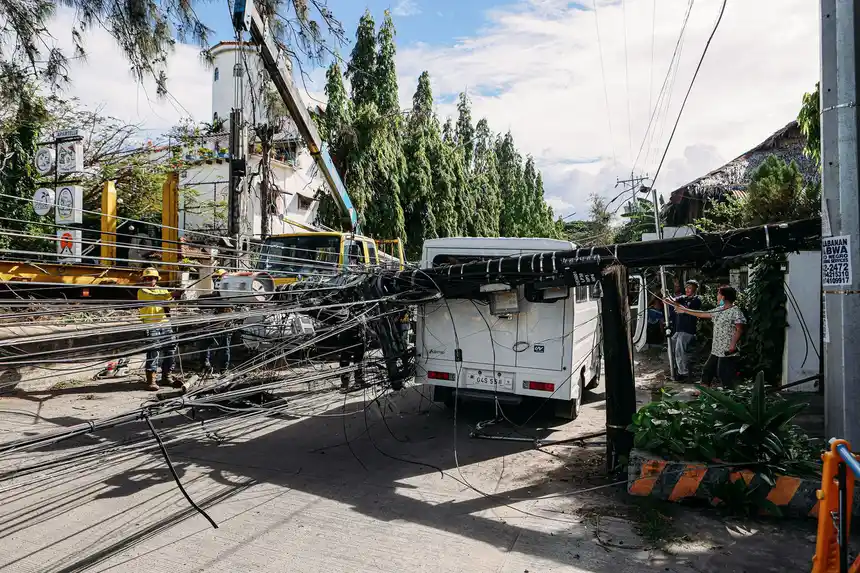
Our electricians hold Maryland Master Electrician and Journeyman Electrician licenses and work to NEC code and NFPA 70E safety standards on every job. We carry OSHA safety certification and use Fluke and Klein Tools test equipment because guessing on a live circuit is how people get hurt. We have traced flickering lights in Salisbury's older housing stock, in post-storm rental properties, and in commercial buildings along the Route 13 corridor. When a homeowner tells us the lights pulse only when the dryer runs, we know exactly which shared neutral to chase.
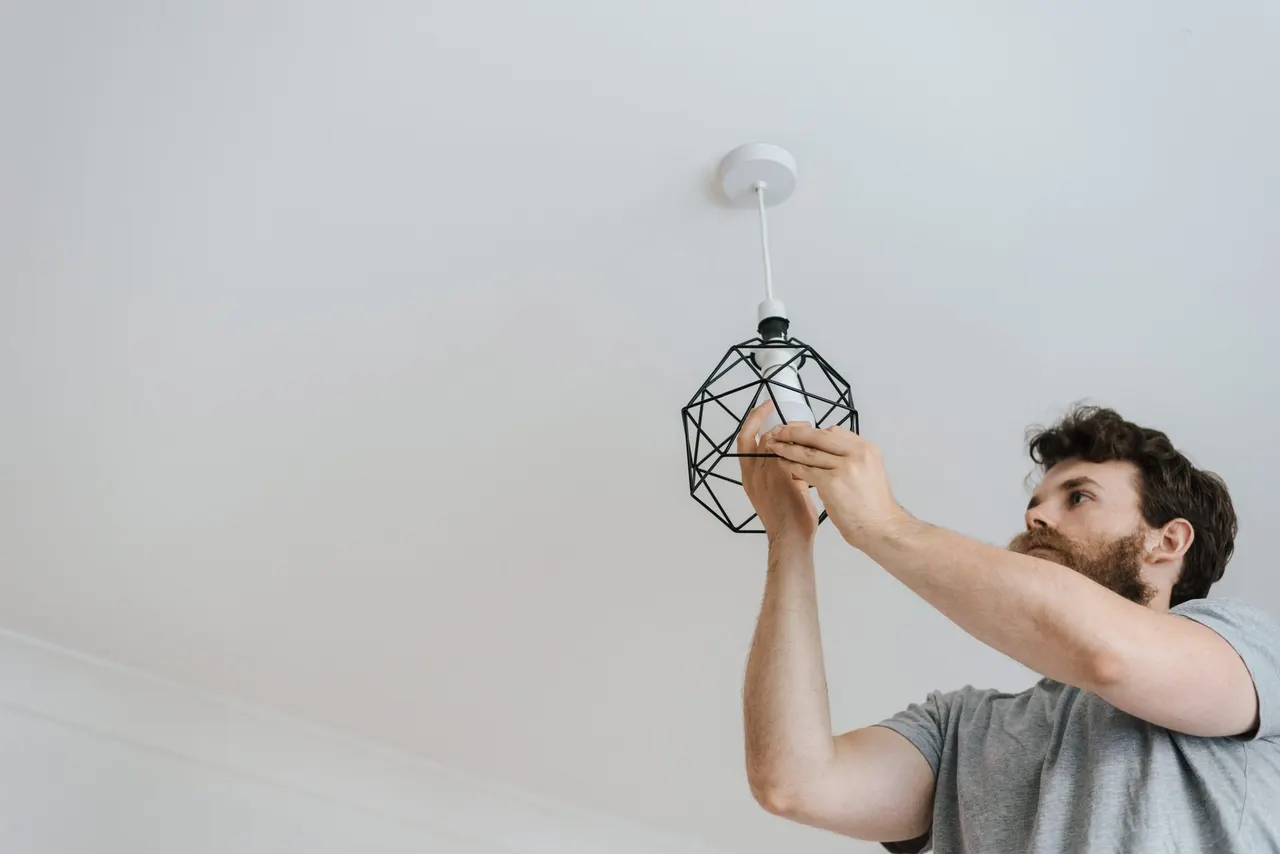
Our bedroom lights had been flickering for weeks and two other companies told us it was just the bulbs. Salisbury Electric Response found a loose neutral in the panel and a backstabbed outlet in the hallway. They fixed both in one visit and showed me photos of the burned connection. No flicker since, and the price matched the quote.
I manage four rentals near Milford and a tenant called about lights flickering whenever the heat kicked on. They came out the same afternoon, traced it to a failing breaker, replaced it, and gave me a written summary for my records. Fast, licensed, and they did not try to sell me a panel I did not need.
We smelled something hot near a switch and the lights were pulsing. They walked me through killing the breaker on the phone, then arrived within the hour. The switch leg had arced inside the box. They rebuilt the connection, replaced the switch, and tested everything under load. I felt safe in my own house again.
Most flickering in Salisbury homes traces to a loose connection, not a bad bulb. Common causes are a backstabbed outlet, a loose neutral in the panel, a failing circuit breaker, or arcing inside a junction box. In older homes with aluminum wiring, the problem is often at the device terminations. A licensed electrician can isolate it with a voltage-drop test in under 90 minutes.
Typical 2026 pricing in this area runs $180 to $450 for a diagnostic and a single-device repair, and $450 to $1,200 when a breaker, a run of Romex, or multiple devices need replacement. Emergency after-hours calls carry a higher dispatch rate. We quote the diagnostic flat and give you the repair range before we start.
A licensed Maryland electrician should handle any flickering that is not solved by a new bulb. Salisbury Electric Response provides flickering lights repair Salisbury Maryland with same-day scheduling and 24/7 emergency dispatch. We carry a Maryland Master Electrician License, use Fluke and Klein test equipment, and repair to NEC code.
Yes, if the flicker comes with a burning smell, a warm switch plate, a buzzing sound, or a breaker that keeps tripping. Those point to electrical arcing, which can ignite framing inside a wall. A flicker that only happens when a large appliance starts is usually a voltage-drop issue, but it still needs testing. Call us at (410) 589-2829.
Not seeing your question? Our local team can help you understand urgency, scheduling and what to expect.
Ask the local team
Flickering lights are often the first sign of a larger residential fault. Our residential emergency electricians in Salisbury handle the same panels, outlets, and switch legs we inspect during a flicker call, so one visit can resolve both problems.
View serviceSalisbury storefronts and offices on shared circuits flicker for the same reasons homes do, but the stakes are higher. Our commercial emergency electricians isolate the fault without shutting down your whole building, then repair to NEC code.
View service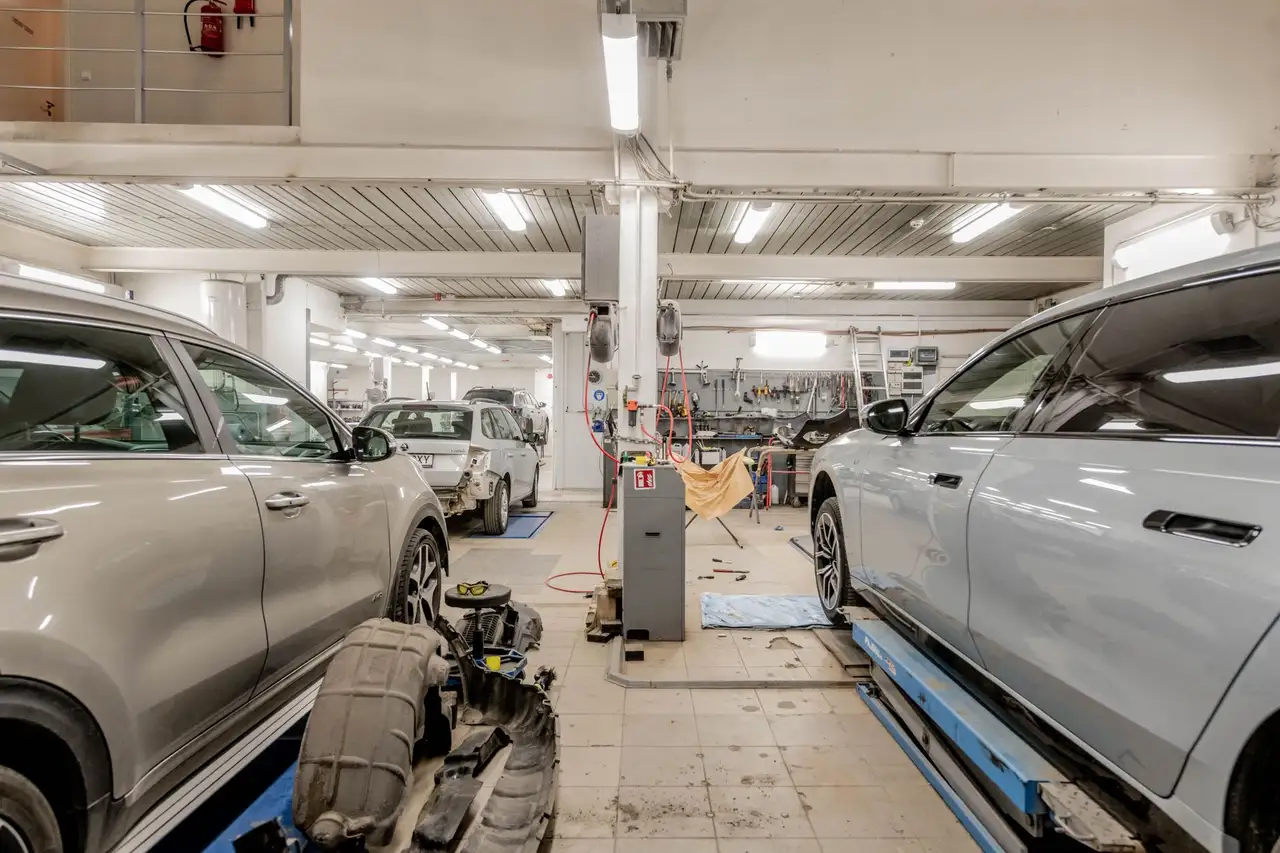
A breaker that is failing internally will cause lights to pulse or dim. We test and repair Square D, Eaton, and Siemens breakers, and we replace any unit that is no longer holding a stable connection.
View service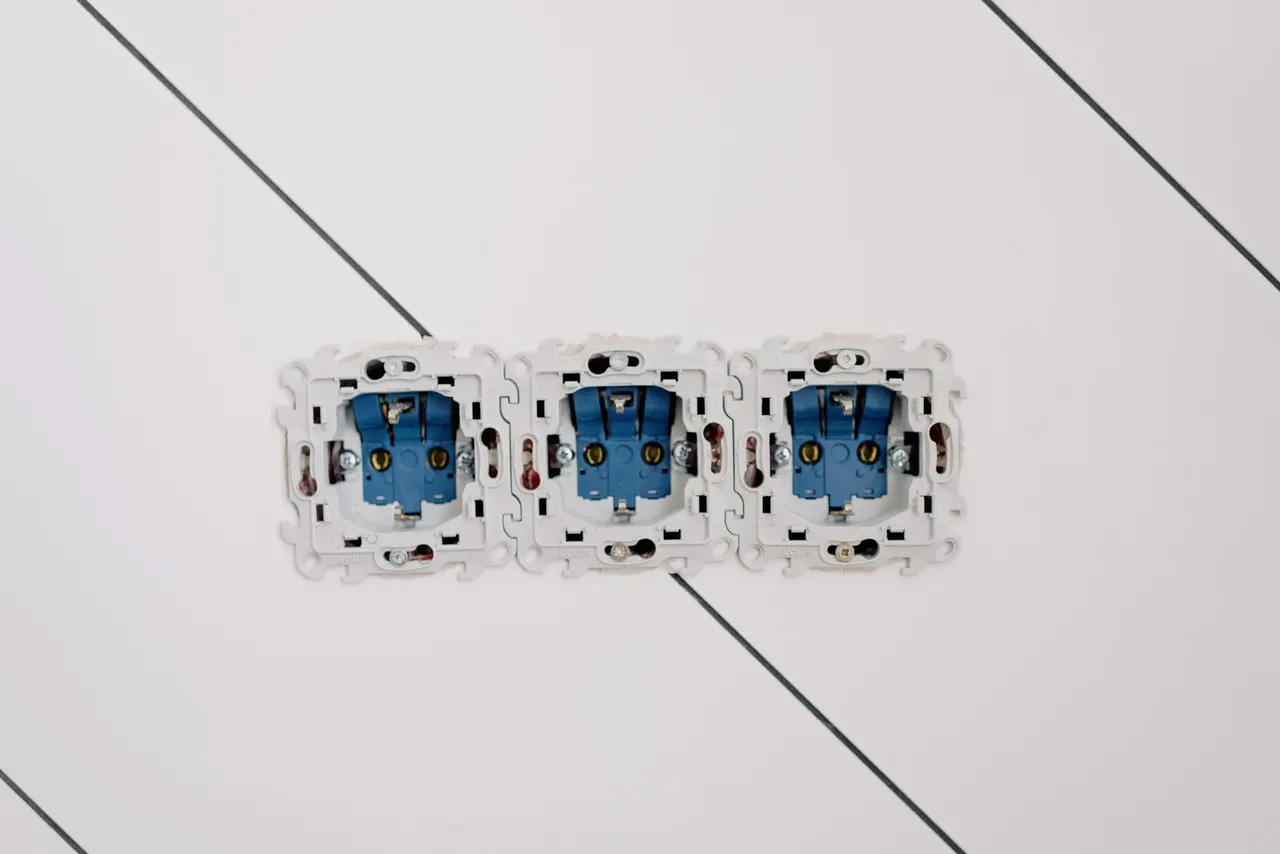
When a breaker is scorched or will not reset, replacement is the fix. We match the brand and amperage to your panel, torque the lugs to spec, and load-test the circuit before we close the cover.
View service
Our line is open 24 hours a day, every day of the year. Call (410) 589-2829 and a live dispatcher will take your address and the problem, then send the nearest licensed electrician. For non-urgent work, email us and we will schedule a visit that fits your day.