Focused arrival windows
Useful updates and clear arrival timing.
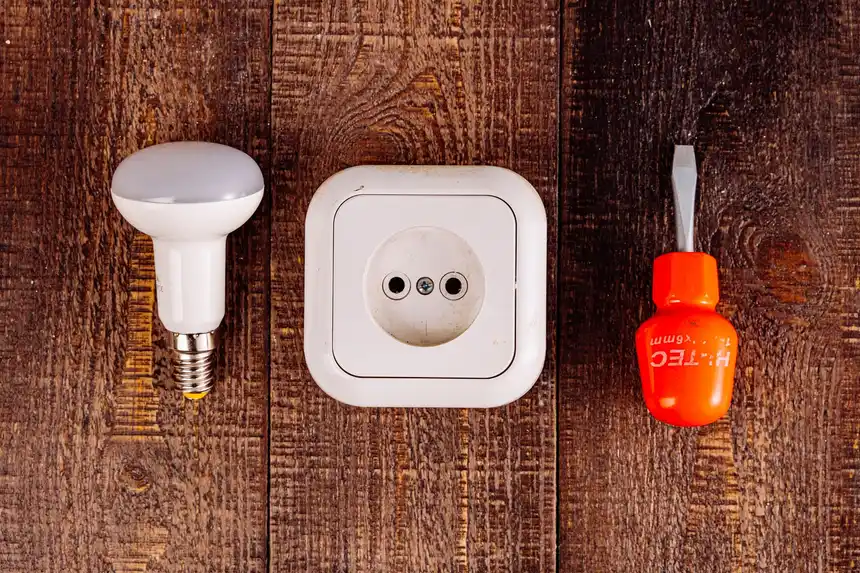
When a storm knocks out Delmarva Power and your generator won't carry the load, Emergency Generator Repair Salisbury MD gets you back online. We work on standby and portable units, transfer switches, and fuel-side faults for homes and businesses across Wicomico County. Whether it's a Generac that cranks but won't transfer or a portable unit that sat too long with old gas, we diagnose the fault and fix it on the first visit whenever parts allow. Call (410) 589-2829 and we'll roll a truck.
Useful updates and clear arrival timing.
Review the approach and price before deciding.
Equipped vehicles and respectful cleanup.
Neighbors serving neighbors with follow-through.
Every generator repair visit starts with a full diagnostic and ends with a load test. Here's what's included in a standard call, and what we quote separately if we find it.
We test battery voltage, fuel delivery, spark, compression, and control board codes, then run the unit and check output voltage and frequency with a clamp meter. You get a clear explanation of what failed and why.
We verify the switch senses utility loss, starts the generator, transfers load, and returns to utility when power comes back. If the switch is faulty, we quote Generator Transfer Switch Repair before doing the work.
Old ethanol fuel is the number one killer of portable and standby generators in Salisbury. We drain stale fuel, clean or rebuild the carburetor, replace fuel filters and lines, and add stabilizer so the next start is easier.
We replace batteries, spark plugs, and ignition coils with parts rated for your unit. We check charging voltage so the new battery actually stays charged between exercise cycles.
Before we leave, we run the generator under household or commercial load and confirm voltage stays in range. You get the repair documented with the parts used and a warranty on the work.
Share what is happening and receive a clear next step from the local team.
Emergency Generator Repair Salisbury MD is the diagnostic and repair work that gets a failed standby or portable generator producing usable power again, usually within hours of your call. We start at the battery and starter, then move through the fuel system, ignition, and control board. From there we test the automatic transfer switch, verify voltage and frequency under load with a Fluke clamp meter, and check that the unit is actually carrying your panel instead of just running. Most no-start calls trace back to a dead battery, a clogged carburetor, or a transfer switch that never got the signal.
Salisbury sits in a pocket of the Eastern Shore where nor'easters, summer squalls, and the occasional ice storm take the grid down for hours at a time. If your standby generator repair Salisbury MD call comes in at 2 a.m. during an outage, that's the whole point of owning one. We also see plenty of portable generator repair Salisbury for units that sat in a garage since last winter with ethanol fuel gumming up the jets. If you've been searching for emergency generator repair in Salisbury MD near me while the fridge warms up, that's exactly the call we take.
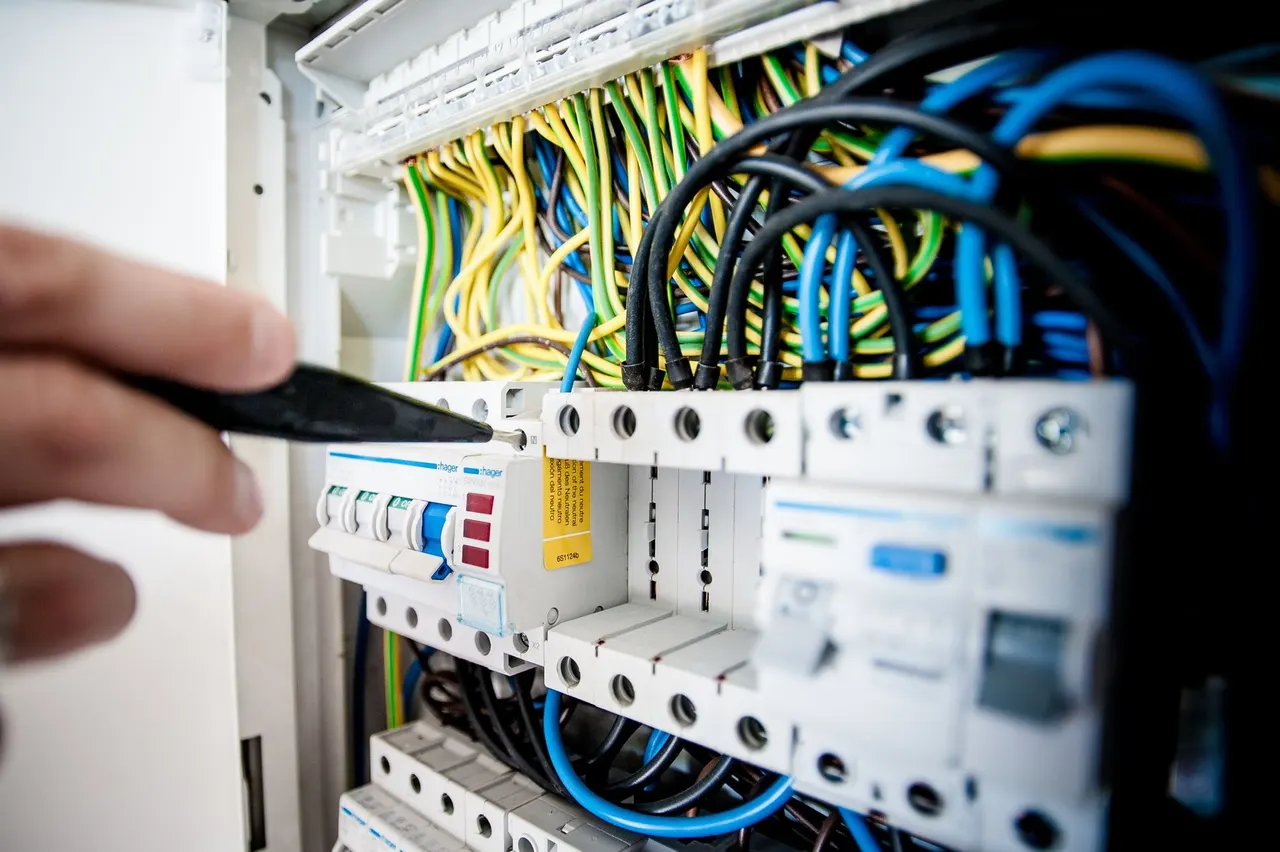
We ask what the unit does when you turn the key: clicks, cranks, starts then dies, or runs but won't power the house. That tells us whether to load a battery and carb kit or a transfer switch. Most calls take under five minutes and you get a real arrival window, not a four-hour block.
Our technician arrives, shuts the unit down safely, and works through the system in order: battery voltage with a multimeter, fuel delivery, spark, compression, then control board fault codes. We test the transfer switch separately. Diagnosis usually runs 30 to 45 minutes and you get a straight answer before we touch a wrench.
We replace what failed with parts rated for your unit: correct Group-size battery, OEM-spec carburetor or rebuild kit, ignition coil, or control board. Brands like Generac, Eaton, and Siemens all have known failure points and we stock for the common ones. Most repairs finish the same visit.
Once it starts, we prove it works. We run the generator under household load, check voltage and frequency with a clamp meter, and confirm the transfer switch moves power to the panel and back. A generator that starts but sags under load isn't fixed, and we don't call it fixed.
We show you what failed, what we replaced, and how to keep it running: fuel stabilizer, monthly exercise cycles, battery age. You get the repair documented and a warranty on the parts and labor. If we spot a tripping circuit breaker or an overheating outlet while we're there, we flag it before we leave.
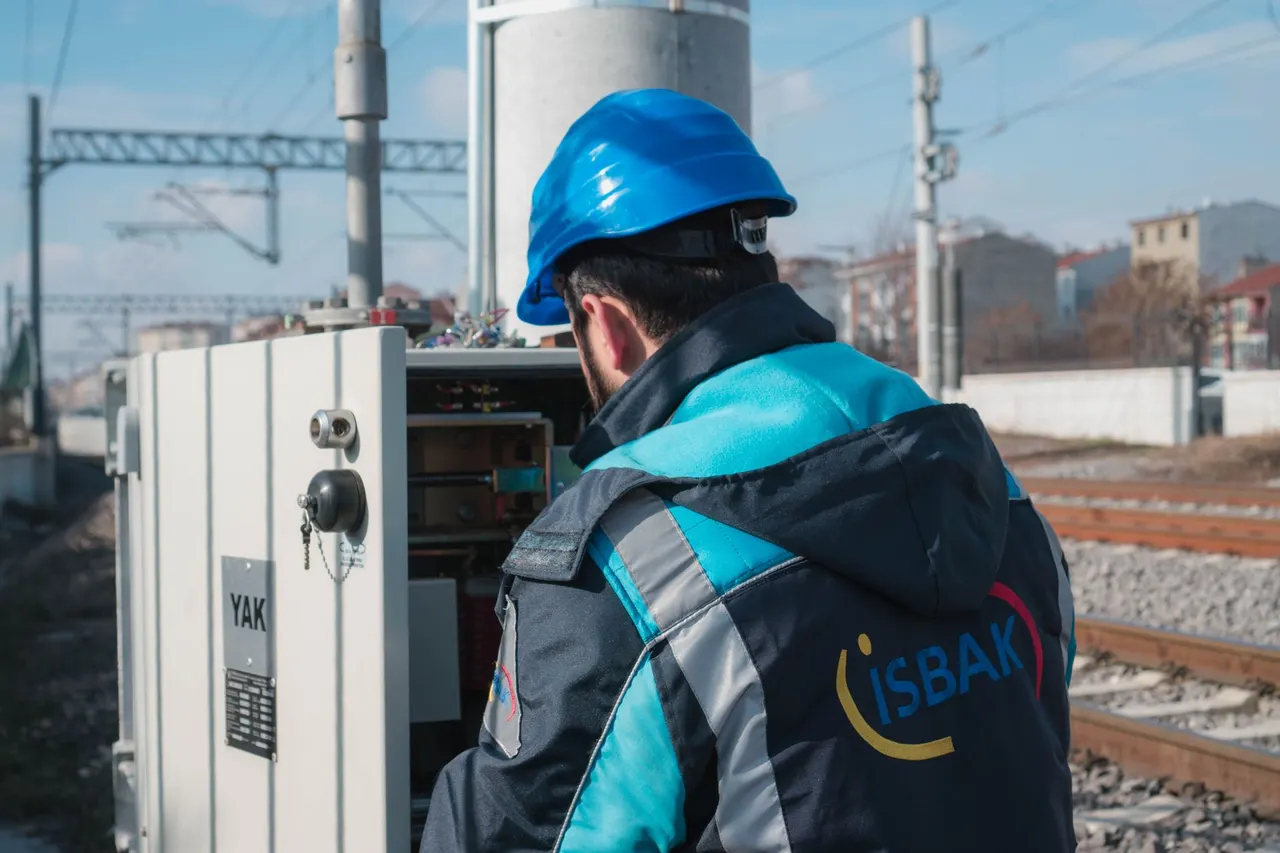
Used to read battery voltage, test charging output, and measure generator voltage and frequency under load. The clamp meter lets us check current without breaking the circuit.
Rated for energized work, used on terminal blocks, control boards, and transfer switch connections where a slip would be dangerous.
Confirms polarity, grounding, and voltage at generator-fed outlets and verifies a circuit is dead before we work on it.
For repairing damaged generator feed conductors and pulling new wire through conduit when a run has to be replaced.
Standard fix for ethanol-gummed carburetors on portable and standby units, plus stabilizer to keep the next tank from going bad.
Locates the correct breaker for a generator-fed circuit quickly, which saves time when a panel isn't labeled.
Every repair we make follows NEC code for conductor sizing, bonding, grounding, and disconnect placement. That matters on generator feeds, where an undersized conductor or missing bond is both a code violation and a real hazard.
We follow NFPA 70E procedures for energized diagnostics, including PPE and approach boundaries. Generator output and utility feed both carry lethal current, so we don't shortcut the safety steps.
We don't call a generator fixed because it starts. We run it under real household or commercial load, watch voltage and frequency, and confirm the transfer switch moves power both ways before we pack up.
We match batteries, ignition parts, and control boards to the unit's spec rather than substituting whatever fits. Correct parts are why a repair lasts past the next storm season.

We treat active-outage no-start calls as priority work. A technician checks battery, fuel, and the transfer switch on site, and we carry common batteries and carb kits so most units are running the same day. The house is back on standby power, and you know exactly what failed so it doesn't strand you next storm.
We drain the old ethanol fuel, clean or rebuild the carburetor, replace the fuel line and filter, and run the unit under load to confirm it holds. We add stabilizer and walk you through off-season storage. The unit starts on the first or second pull and is ready for storm season instead of another year in the corner.
We test the transfer switch and the commercial panel, find where the power stops, and repair the failed switch or breaker. Then we verify the full transfer cycle under the building's actual load. The store stays open through the next outage instead of losing a day of stock and sales.
We isolate the circuit, test the output breaker and the load, and repair or replace what failed. We document the repair and the parts used so the landlord has a record for the property file. The tenant has reliable backup power, and the landlord has a documented repair instead of a repeat complaint.
Salisbury's generator work is shaped by the weather and the building stock. Nor'easters and summer squalls knock the grid down for hours, and the salt air moving in off the coast corrodes outdoor enclosures and terminal blocks faster than inland. Older homes near Salisbury City Centre often have panels that were never set up for a generator interlock, so part of the job is making the connection code-correct. Newer builds east of Route 13 tend to have factory transfer switches that fail on the sensing side rather than the power side. We also see a lot of portable generator repair Salisbury calls in spring, when units stored since fall won't start on old fuel. If you've been searching for affordable generator repair Salisbury MD, we quote the diagnostic and the likely range before we start, and we carry the parts that fix the most common failures. For standby generator repair Salisbury MD during an active outage, we triage by need and get to medical and sump-pump calls first.
Older housing stock with panels that often need an upgrade or interlock before a standby generator can be connected correctly.
Tree cover and overhead lines mean longer outages after storms, so standby units here get heavy use and need regular exercise testing.
A mix of newer homes with factory transfer switches that commonly fail on the sensing side rather than the power side.
Portable generator use is common here, and spring no-start calls from stale ethanol fuel are a regular part of our week.
Corrodes outdoor generator enclosures, terminal blocks, and conduit fittings faster than inland. We inspect and treat connections during every repair to slow it down.
Drive multi-hour outages that put standby systems under real load. Units that haven't been exercised often fail right when they're needed most.
Gums up carburetors over a single off-season. Most spring no-start calls trace back to old fuel rather than a failed component.
Requires a panel upgrade or a proper transfer switch install before a generator can be connected to code, which we handle as part of the job.
A Harnham homeowner's Generac started during a nor'easter but never moved power to the house. The family ran extension cords for two days while the fridge warmed and the sump pump sat idle.
We found a failed transfer switch contactor, replaced it, and verified the full transfer cycle under load. The house ran on standby power the same afternoon, and the unit exercised cleanly the following week.
Maintenance: Run the generator under load for 30 minutes each month and have the transfer switch inspected once a year. That catches contactor wear before an outage does.
A Churchill Gardens resident pulled a portable unit out for spring storm season and it wouldn't fire. The tank held fuel from the previous fall, and the carburetor jets were fully gummed.
We drained the stale fuel, rebuilt the carburetor, replaced the fuel line and filter, and ran the unit under load. It started on the second pull and held voltage through a 20-minute test run.
Maintenance: Drain fuel before storage or add stabilizer and run the unit monthly. Fresh fuel and a clean filter prevent most spring no-start calls.
A Bishopdown shop's standby unit ran but tripped its output breaker whenever the coolers kicked on. The store lost stock during two outages while the generator sat running uselessly outside.
We tested the output breaker and load, replaced a weakened breaker with the correct rating, and re-tested under the building's actual load. The unit carried the coolers and registers through the next outage without a trip.
Maintenance: Have the generator exercised under real load monthly and the output breaker checked annually. Breakers weaken with repeated transfer cycles.
Most generator failures announce themselves weeks before they strand you. These are the calls we run most often in Salisbury, and what happens if they're ignored.
You lose power the moment the grid goes down, and food, sump pumps, and medical equipment all sit unprotected. The longer it sits, the more the fuel degrades and the worse the carburetor gets. We diagnose fuel, spark, and compression in order, clean or rebuild the carburetor, replace the spark plug, and test the unit under load. Most cranking no-start calls are fixed the same visit.
The unit burns fuel and makes noise but delivers nothing, which usually means the transfer switch or the generator output breaker has failed. You're paying for a generator that isn't doing its job. We test the transfer switch under load, check sensing voltage and the output breaker, and repair or replace the failed component. Then we prove the full transfer cycle works before we leave.
A unit that can't carry its rated load is useless during an outage, and repeated tripping stresses the windings. Ignoring it shortens the generator's life and risks an electrical fault in the panel. We isolate the load, test the breaker and connections, and find whether the fault is in the generator, the wiring, or the panel. We repair the cause and re-test under full load.
Overheating terminals and arcing are fire risks, not inconveniences. A loose lug or corroded connection can fail completely during the exact outage you bought the generator for. We shut the system down, inspect terminations for pitting and carbon tracking, correct the connection, and torque to spec. If wiring is damaged, we replace it with correctly sized conductors.
$180 - $650 for most repairs, with transfer switch and control board work running higher
Typical 2026 pricing in the Salisbury area runs $180 to $650 for most generator repairs, including the diagnostic. A battery or spark plug replacement sits at the low end. A carburetor rebuild, ignition coil, control board, or transfer switch repair pushes toward the top, and liquid-cooled standby units can run higher if parts are special-order. We quote the diagnostic and the likely range before we start, so you can decide with real numbers instead of a guess. For standby generator repair Salisbury MD during an outage, the diagnostic fee is the same whether it's 2 p.m. or 2 a.m.
You're paying for a licensed electrician who diagnoses the whole system, not just the engine, and proves the repair under load before leaving. That's what keeps the generator working through the next storm.
Portable and inverter units are generally simpler and cheaper to repair than air-cooled standby systems. Liquid-cooled commercial units take longer to diagnose and often need special-order parts, which raises the total.
A battery, spark plug, or fuel filter is a quick, low-cost fix. A control board, ignition coil, or transfer switch contactor costs more in parts and labor. We tell you which one you're looking at before we start.
Ethanol-gummed carburetors need cleaning or rebuilding, and badly varnished units may need a full carburetor replacement. The longer old fuel sat, the more labor the fuel system takes.
If the switch has failed, the repair adds parts and testing time on top of the generator work. We quote Generator Transfer Switch Repair separately so you see the split.
Emergency calls during an active outage may carry a higher rate than a scheduled visit. We tell you the rate when you call, before a truck moves.
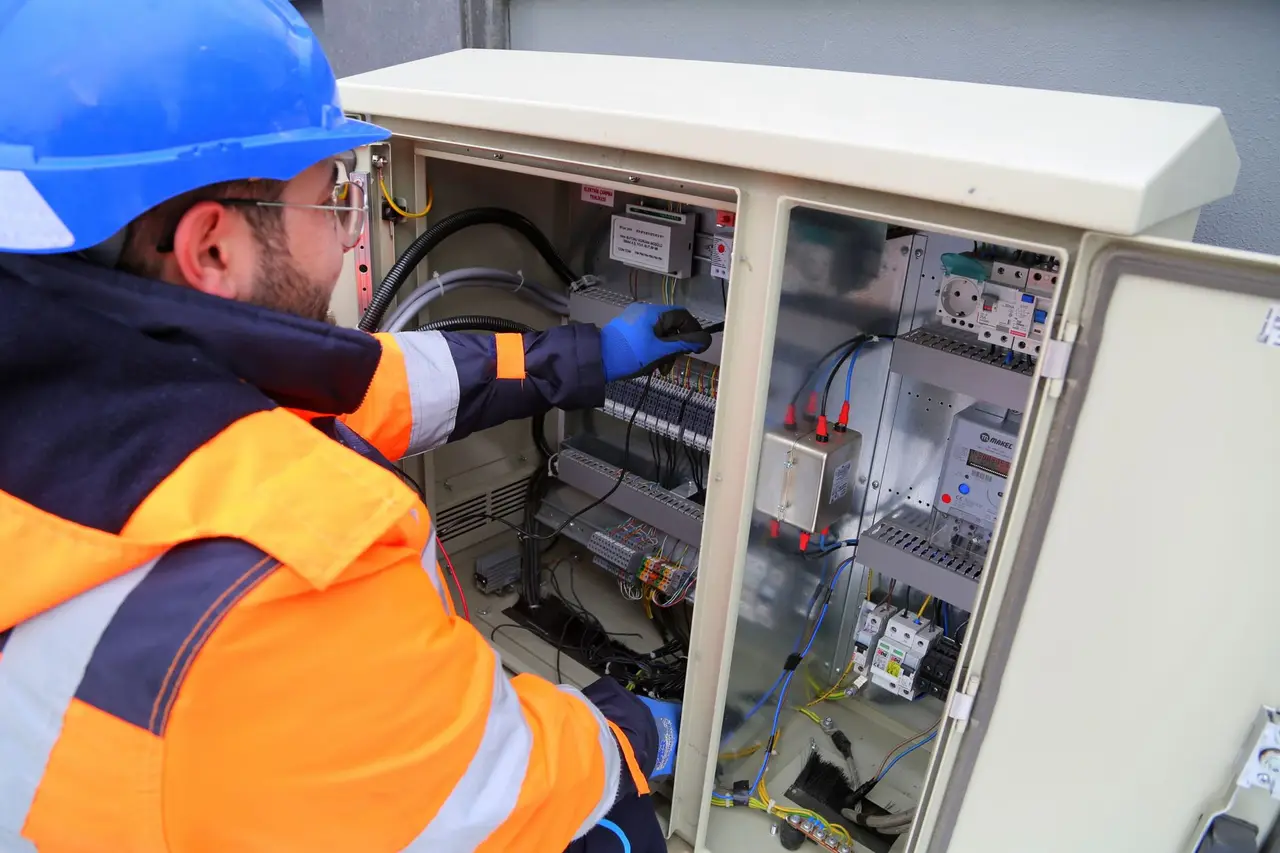
Our technicians are Maryland-licensed electricians who work on generators as a specialty, not a sideline. That means we understand both halves of the system: the engine side that makes power and the electrical side that delivers it safely into your panel. We hold OSHA safety certification and work to NFPA 70E standards on every energized diagnostic. We've repaired air-cooled standby units, larger liquid-cooled systems, and portable inverter generators across Salisbury and Wicomico County, and we carry the meters and test gear to prove a repair instead of hoping it holds.
Our Generac cranked all night after the storm but never switched the house over. The tech found a failed transfer switch, had the part on the truck, and we were back on generator power by early afternoon. He tested it under load twice before he left and showed me what to check each month.
We manage several rentals and one of the portable units wouldn't start during a weekend outage. They came out, cleaned the carburetor, replaced the fuel line, and got it running. Clear pricing, no upsell, and they documented everything for the tenant file.
Our shop's standby unit kept tripping the output breaker whenever it took load. They traced it to a weak breaker, replaced it with the correct rating, and ran the whole system under load to prove it. Two months later it's still holding through every exercise cycle.
Most generator repairs in Salisbury run $180 to $650 in 2026, including the diagnostic. A battery or spark plug replacement sits at the low end; a carburetor rebuild, control board, or transfer switch repair pushes toward the top. Standby units with liquid-cooled engines can run higher if parts are special-order. We give you the range before we start so there's no surprise on the invoice.
The three most common causes we find are a battery below 12.4 volts, ethanol fuel that gummed up the carburetor over the off-season, and a clogged air filter. Less often it's a failed ignition coil or a control board fault. If the unit cranks but won't fire, that points to fuel or spark. If it's silent when you turn the key, start with the battery and connections.
We do, and we're licensed electricians rather than engine-only shops, so we handle the transfer switch and panel side too. We service Generac, Eaton, Siemens, and most other brands, plus portable and inverter units. Call (410) 589-2829 and describe what the generator does when you try to start it; that usually tells us what to bring.
It is when the grid is down and the generator is your only power, especially if you run medical equipment, a sump pump, or a freezer full of stock. We treat active-outage no-start calls as priority work. If the grid is up and the generator is just due for service, a scheduled visit is fine and usually cheaper.
Not seeing your question? Our local team can help you understand urgency, scheduling and what to expect.
Ask the local team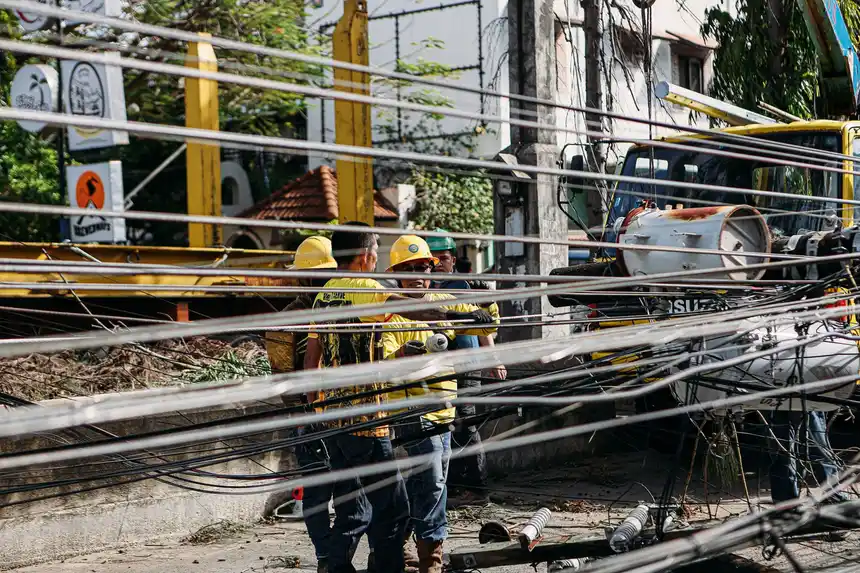
A generator is only half the system. When a storm takes out power at a Salisbury home, we troubleshoot the panel, the transfer switch, and the branch circuits so the generator can actually feed the house. Same crew, same call.
View service
Salisbury businesses running standby power for refrigeration, POS, or server rooms need the generator and the commercial panel working together. We repair both, and we understand the load priorities that keep a store or shop open during an outage.
View service
A generator that trips its output breaker the moment it takes load has a problem on the electrical side, not the engine. We trace the fault, test the breaker, and repair or replace it so the generator can carry its rated load again.
View service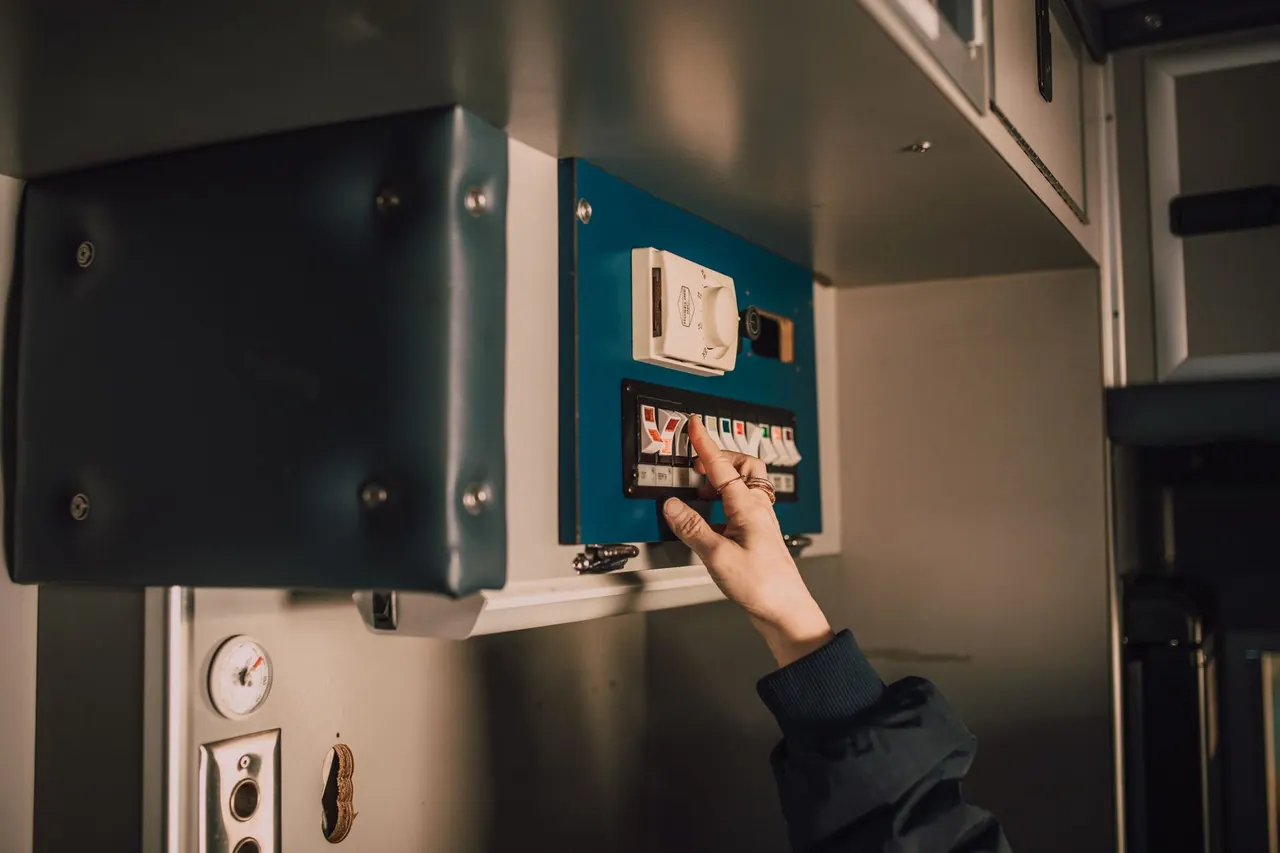
Generators stress breakers with repeated transfer cycles. When a breaker in the generator panel or the main panel weakens, we replace it with a correctly rated Square D, Eaton, or Siemens unit and torque the lugs to spec.
View service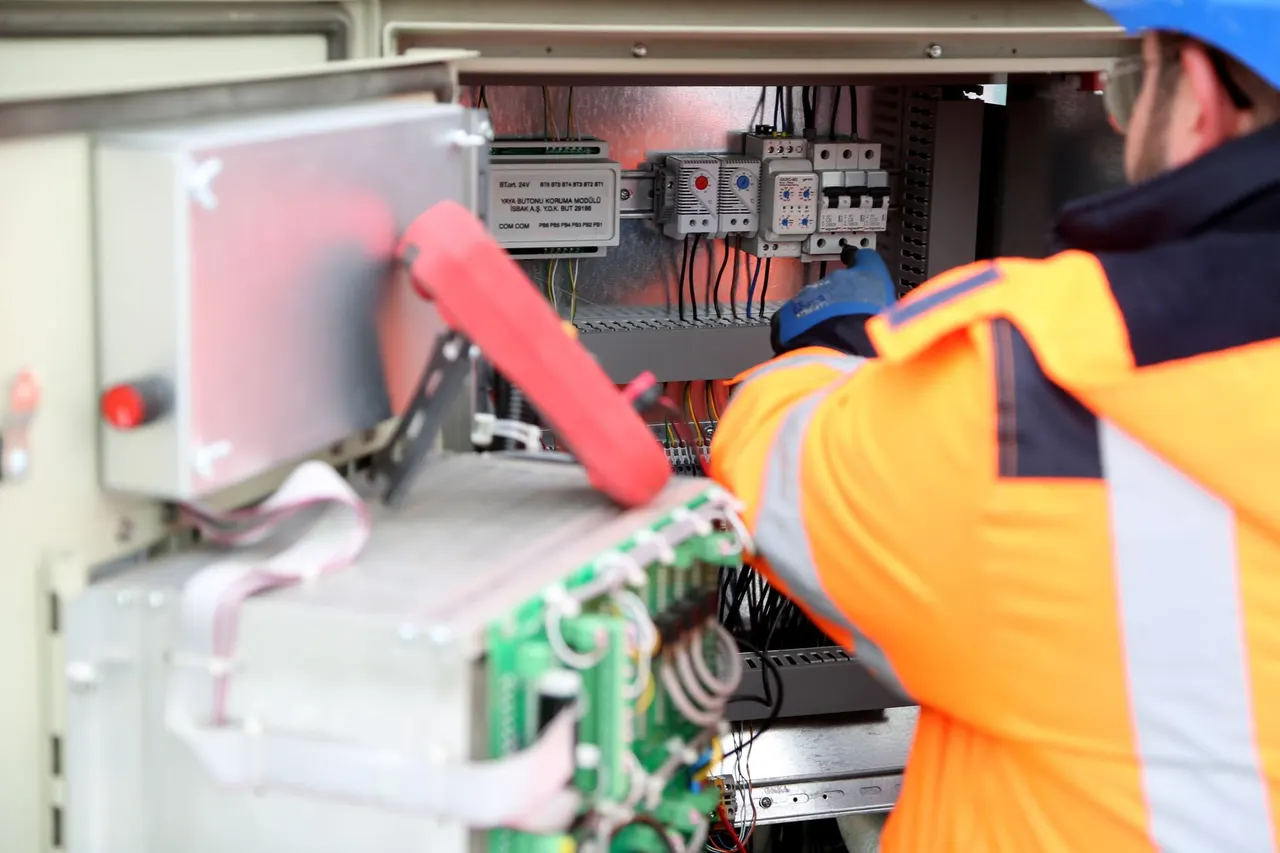
Our line is open 24 hours a day, every day of the year. Call (410) 589-2829 and a live dispatcher will take your address and the problem, then send the nearest licensed electrician. For non-urgent work, email us and we will schedule a visit that fits your day.