Why is my outlet sparking and what should I do
A sparking outlet is usually a loose wire, worn receptacle, or overloaded circuit. Here is what to do first, what it costs to fix, and when to call us in Salisbury.
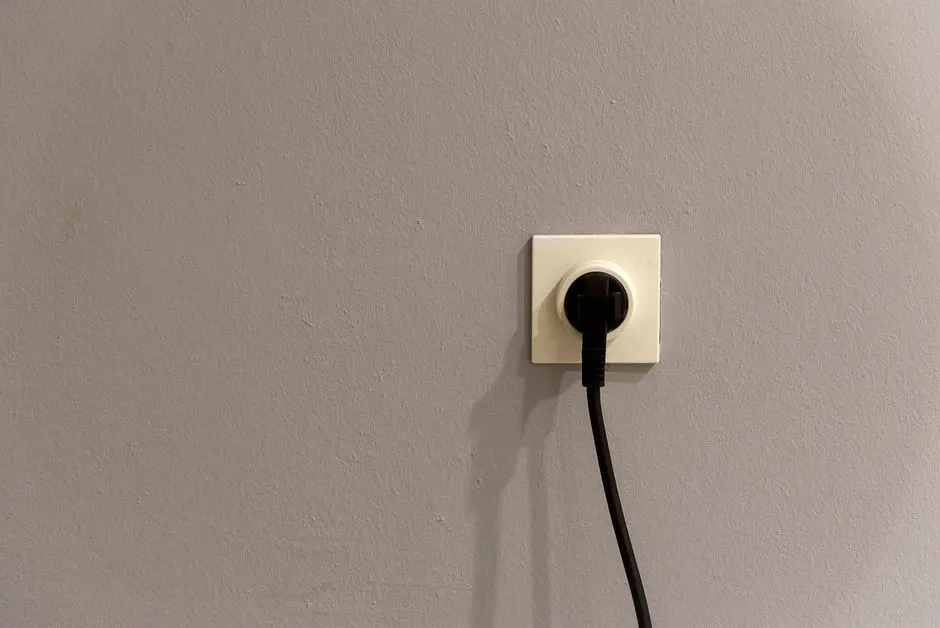
A sparking outlet is almost always caused by a loose wire connection, a worn-out receptacle, or a circuit that is drawing more power than it can safely carry. If you see sparks, hear a pop, or smell burning near a receptacle, stop using that outlet immediately, unplug anything connected to it if you can do so safely, and call a licensed electrician before you plug anything back in.
We handle calls like this every week across Salisbury, from older homes near the City Centre to rentals off Route 13. Below we break down the real causes behind an outlet sparking in Salisbury MD, what you should do in the first five minutes, what a repair costs in 2026, and when it is time to stop troubleshooting and get a pro on site.
Why is my outlet sparking in Salisbury MD?
Why is my outlet sparking in Salisbury MD comes down to one of five things: a loose wire at the terminal, a receptacle that has worn out from years of plugging and unplugging, an overloaded circuit, moisture intrusion, or a failing breaker or panel connection feeding that outlet. In Salisbury, the age of the housing stock matters. A large share of homes here were wired between the 1950s and 1980s, and the receptacles in those walls have been cycled thousands of times.
An outlet sparking in Salisbury Maryland is not the same as the tiny blue flash you sometimes see when you plug in a device with a heavy draw. That small snap is normal inrush current. The dangerous kind is a repeated spark, a visible arc at the face of the outlet, a scorch mark, or a spark that happens when nothing is being plugged in. That points to a wiring or connection fault, not normal operation.
If you are searching for an Emergency Electrician Salisbury MD because the sparking keeps coming back, that instinct is correct. A one-time spark on plug-in is common. A recurring spark is a fault.
What should I do if my outlet sparks in Salisbury Maryland?
What you should do if your outlet sparks in Salisbury Maryland is simple: kill the power to that circuit, leave the outlet alone, and get it inspected before you use it again. Do not wiggle the plug to see if it reseats. Do not tape over the outlet. Do not swap in a new receptacle yourself and assume the problem is solved.
Here is the order we recommend:
- Stop using the outlet. Unplug everything on that circuit if you can reach the plugs without touching the sparking face.
- Cut power at the breaker. Find the breaker labeled for that room and switch it off. If the panel is not clearly labeled, shut off the main and call us.
- Check for heat and smell. A warm faceplate or a burning odor means the problem is active. Leave the breaker off.
- Look for visible damage. Scorch marks, melted plastic, or a brown discoloration around the slots all confirm arcing has been happening.
- Call a licensed electrician. This is not a job for a handyman or a YouTube tutorial.
If the outlet is dead after you reset the breaker, you may also be dealing with a partial power loss Salisbury Maryland issue upstream of the receptacle. We see that often in older Salisbury homes where a single failed splice in a junction box takes out half a room.
The most common causes of an outlet sparking
The most common causes of an outlet sparking are loose backstab connections, worn receptacle contacts, overloaded circuits, moisture, and damaged wiring. Each one has a different fix and a different urgency level.
Loose wire connections
Many receptacles installed before the mid-1990s used backstab connections, where the wire is pushed into a slot on the back of the outlet rather than wrapped around a screw. Those connections loosen over time as the metal relaxes and the outlet heats and cools. A loose connection creates resistance, resistance creates heat, and heat creates arcing. This is the number one cause we find on sparking outlet calls in Salisbury.
Worn-out receptacles
A receptacle is a wear item. The internal contacts lose tension after roughly 5,000 to 10,000 insertions. Once they are loose, the plug does not sit tight, and the contact point arcs. If plugs fall out of an outlet on their own, that outlet is on its way to sparking.
Overloaded circuits
A standard 15-amp bedroom circuit is rated for 1,800 watts, and you should keep a continuous load under 80% of that, or about 1,440 watts. A space heater alone pulls 1,500 watts. Add a TV and a phone charger and you are over the limit. Breakers are supposed to trip before damage occurs, but a failing breaker will not, and the outlet becomes the weak point.
Moisture and water intrusion
Salisbury sits close to the Wicomico River, and our humidity runs high from May through September. Moisture in a wall cavity, a leaking pipe above a kitchen outlet, or a receptacle near a window that takes in wind-driven rain can all cause arcing. If the outlet is near water, it should be a GFCI, and it should be inspected if it has ever been wet.
Damaged or chewed wiring
Rodents chew wire insulation in crawl spaces and attics. We regularly find damaged wire repair Salisbury Maryland work behind walls where a mouse has stripped the jacket off a hot conductor. That kind of damage sparks at the outlet because the fault is upstream, not at the receptacle itself.
Is a sparking outlet dangerous in Salisbury Maryland?
Yes, a sparking outlet is dangerous in Salisbury Maryland, and it is one of the leading causes of residential electrical fires nationwide. The U.S. Fire Administration attributes roughly 24,000 home electrical fires per year to wiring and receptacle faults. Arcing at a single outlet can reach 1,000 degrees Fahrenheit at the contact point, which is hot enough to ignite the paper facing on drywall and the wood framing behind it.
Not every spark is an emergency. A single small snap when you plug in a device with a motor or a large capacitor is normal. What is not normal:
- Sparks when nothing is being plugged in
- Repeated sparking on the same outlet
- A popping sound from inside the wall
- A burning smell near the outlet or in the room
- A faceplate that is warm to the touch
- Scorch marks, melted plastic, or discoloration
- The breaker tripping every time you use that outlet
Any one of those means the outlet should be taken out of service today, not next weekend. If you smell burning, shut off the main breaker and call us. We also run burning smell inspection Salisbury Maryland visits specifically because a burning odor without visible smoke often means the fault is inside the wall, not at the outlet face.
What to watch out for: mistakes that make it worse
The mistakes we see most often on sparking outlet calls are ones homeowners make in the first hour, before they call anyone. Avoiding them can be the difference between a $200 repair and a $4,000 panel or wiring job.
- Replacing the outlet without finding the cause. A new receptacle on a loose or damaged circuit will spark again within weeks. The outlet is often the symptom, not the problem.
- Upsizing the breaker. Putting a 20-amp breaker on a 15-amp circuit does not fix an overload. It removes the safety device that was protecting the wire.
- Using a cheater plug to bypass the ground. That defeats the safety ground and masks a real fault.
- Ignoring a warm faceplate. Warmth means current is flowing where it should not. It always gets worse.
- Running an extension cord as a permanent fix. Corded power strips are for temporary use. They are not a substitute for a circuit that can carry the load.
- Waiting until the breaker trips. A breaker that trips repeatedly is doing its job. A breaker that stops tripping is the one to worry about.
If you have already replaced the outlet and it is still sparking, the fault is upstream. That is a wiring or panel issue, and it needs a proper diagnosis with a meter, not another trip to the hardware store.
When to call a professional
Call a professional the moment you see repeated sparking, smell burning, or find heat or scorch marks at an outlet. Those are not DIY problems, and they are not problems to monitor for a few days. We handle sparking outlet repair Salisbury MD calls with a full circuit diagnosis, not just a receptacle swap, so we find the actual fault before we close up the wall.
Our technicians are state-licensed electricians, and we carry the meters and thermal tools to trace a fault from the outlet back to the panel. If the problem is a loose neutral in a junction box, we find it. If it is a failing breaker, we test it under load. If it is rodent damage in the attic, we trace it and repair the run.
We also work with landlords and property managers across the Salisbury area on rental property electrical repair Salisbury Maryland. A sparking outlet in a rental is a liability issue as much as a safety one, and it needs to be documented and fixed properly.
If you are not sure whether the situation warrants a call, ask yourself one question: would you be comfortable leaving the house with that outlet live for the next eight hours? If the answer is no, call us.
What sparking outlet repair costs in Salisbury in 2026
Typical 2026 pricing in the Salisbury area runs $150 to $350 for a single outlet diagnosis and repair, and $400 to $900 if the fault is upstream and requires tracing wiring through a wall or attic. A full circuit repair with a new breaker runs $250 to $500. Panel-level work starts higher.
What drives the cost:
- Access. An outlet on an interior wall is quick. An outlet behind a cabinet or in a finished ceiling is not.
- Scope. Replacing one receptacle is a 30-minute job. Tracing a fault through three junction boxes is a half-day job.
- Parts. A standard 15-amp receptacle is under $5. A GFCI is $25 to $40. An AFCI breaker is $50 to $80.
- Panel condition. If the panel is a known-hazard model or has double-tapped breakers, we have to address that before we can safely restore the circuit.
We give you the price before we start. No diagnostic fee on the first visit for sparking outlet calls, and no surprise line items after the fact.
Frequently Asked Questions
Why is my outlet sparking in Salisbury MD?
The most common cause is a loose wire connection at the back of the receptacle, followed by a worn-out outlet, an overloaded circuit, moisture, or rodent-damaged wiring. In Salisbury's older housing stock, backstab connections that have loosened over decades are the number one culprit we find.
What should I do if my outlet sparks in Salisbury Maryland?
Stop using the outlet, unplug anything connected to it if safe, and shut off the breaker for that circuit. Do not plug anything back in. Call a licensed electrician to diagnose the fault. If you smell burning or see scorch marks, shut off the main breaker and call immediately.
When should I call an electrician for a sparking outlet in Salisbury MD?
Call the same day if the outlet sparks more than once, sparks with nothing plugged in, feels warm, smells like burning, shows scorch marks, or trips the breaker repeatedly. A single small snap on plug-in is normal; anything recurring is not.
Can a sparking outlet cause a fire in Salisbury Maryland?
Yes. Arcing at an outlet can reach 1,000 degrees Fahrenheit, hot enough to ignite drywall paper and framing. Electrical fires from wiring and receptacle faults cause roughly 24,000 home fires a year nationwide. Treat any recurring spark as a fire risk, not a nuisance.
Can I just replace the outlet myself?
You can, but it usually will not fix the problem. If the fault is a loose connection upstream, a damaged wire, or a failing breaker, a new receptacle will spark again. The outlet is often the symptom, not the cause.
Get help with Emergency Electrician in Salisbury
A sparking outlet is one of the few home electrical problems where waiting rarely pays off. We diagnose the circuit, repair the fault, and test it under load before we leave, so you know the outlet is safe to use again.
Call Salisbury Electric Response at (410) 589-2829 for same-day sparking outlet repair in Salisbury and the surrounding Wicomico County area.