Why is my outlet overheating and how can I fix it
A hot outlet is your wiring telling you something is wrong. Here's why outlets overheat in Salisbury MD, what's dangerous, and how to fix it safely.
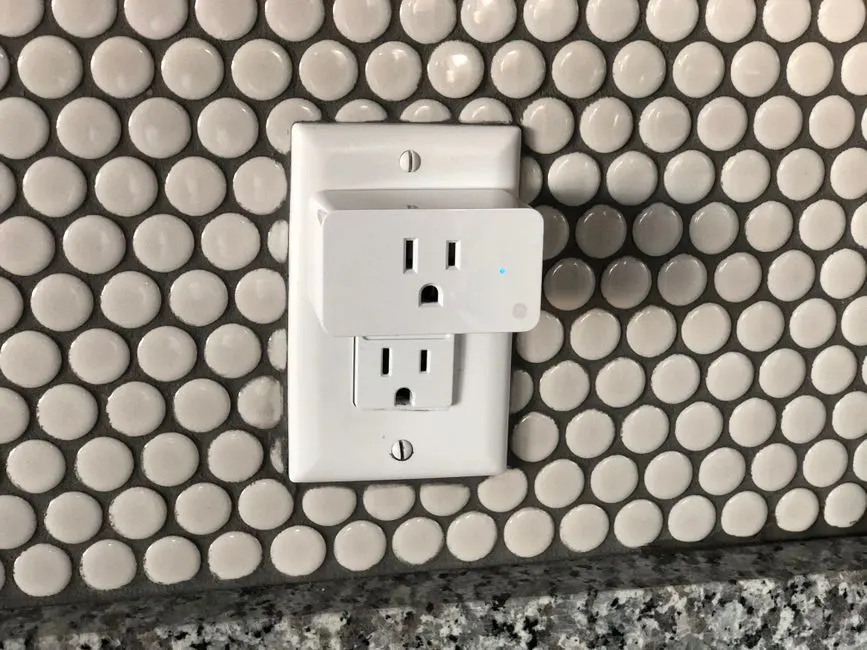
An outlet that feels hot to the touch is overheating because too much current is moving through a connection that has too much resistance. That resistance comes from a loose wire, a worn-out receptacle, an overloaded circuit, or corroded contacts - and in Salisbury's older housing stock, it is usually one of the first two. If the faceplate is warm, the plug feels hot after a few minutes, or you smell something acrid near the wall, stop using that outlet until an electrician looks at it. Below we cover what causes an overheating outlet, how dangerous it really is, and the steps that actually fix it.
Why is my outlet overheating in Salisbury MD?
An outlet overheating in Salisbury MD is almost always a heat problem at the connection point, not inside the device you have plugged in. Heat is the byproduct of electrical resistance, and resistance climbs whenever metal-to-metal contact gets loose, dirty, or undersized for the load. The outlet itself is rarely the root cause - it is the messenger.
Here is the definition worth remembering: an overheating outlet is an electrical receptacle that generates abnormal heat because current is meeting resistance at a loose, worn, or overloaded connection, and it needs to be de-energized and inspected before it fails. That single sentence explains why the fix is almost never "just replace the outlet."
We see this constantly in Salisbury's pre-1970s homes, where original two-prong wiring has been asked to carry modern loads - window AC units, space heaters, gaming PCs, and kitchen appliances that draw far more amperage than the circuit was designed for. Add humid Delmarva summers and the corrosion that comes with them, and you have the recipe for a warm faceplate.
The most common causes of an overheating outlet
Outlet overheating causes in Salisbury Maryland fall into a handful of predictable categories, and most of them are visible to a trained eye in under five minutes.
Loose or backstabbed wiring
The single biggest culprit is a loose connection. Many receptacles installed before the mid-1990s used "backstab" terminals - wires pushed into spring clips instead of wrapped around screws. Those clips loosen over time, and a loose connection at 15 amps can reach 140°F or more at the terminal. If your outlet is warm but the breaker has not tripped, a loose splice or backstab is the first thing we check.
Overloaded circuits
A standard 15-amp circuit is rated for 1,800 watts, and code says you should not continuously load it past 80% - about 1,440 watts. A single 1,500-watt space heater maxes that out on its own. When you add a TV, a lamp, and a phone charger to the same circuit, the wiring heats up and that heat migrates to the weakest point: usually the outlet with the most traffic.
Worn receptacles and corroded contacts
Receptacles have a lifespan of roughly 15 to 20 years. After that, the internal brass contacts lose their spring tension, plugs fit loosely, and arcing begins. In Salisbury's humid summers, corrosion accelerates this. If a plug feels loose in the socket or falls out on its own, the receptacle is done.
Undersized or aluminum wiring
Some homes built between the mid-1960s and mid-1970s used aluminum branch-circuit wiring. Aluminum expands and contracts more than copper, loosens at terminals, and oxidizes - all of which create heat. If you see silver-colored wiring at the box, that is a job for a licensed electrician, not a weekend project.
Is an overheating outlet dangerous in Salisbury Maryland?
Yes - an overheating outlet is dangerous in Salisbury Maryland and is one of the leading causes of residential electrical fires nationwide. The U.S. Fire Administration attributes roughly 24,000 home electrical fires each year to problems like this, and the outlet or its wiring is frequently the ignition point.
The danger is not the warmth itself. It is what the warmth represents: a connection hot enough to degrade insulation, char the box, or ignite the framing behind the wall. By the time you smell burning plastic, the damage is already underway inside the wall cavity.
Watch for these warning signs and treat any one of them as a stop-everything moment:
- The faceplate or plug is hot to the touch after normal use.
- Discoloration, scorch marks, or a brownish stain around the slots.
- A burning or fishy smell near the outlet.
- Buzzing, crackling, or popping sounds when you plug something in.
- The breaker trips repeatedly on the same circuit.
- Visible sparks when inserting or removing a plug.
If any of those are happening, unplug everything from that outlet, turn the breaker off, and leave it off. A dead outlet repair Salisbury MD call is far cheaper than a fire restoration claim.
How can I fix an overheating outlet in Salisbury Maryland?
Fixing an overheating outlet in Salisbury Maryland starts with killing power at the breaker and confirming it is dead with a tester - not with a lamp, and not by trusting the label on the panel. From there, the repair depends on what we find behind the wall.
Step 1: De-energize and verify
Turn off the breaker that controls the circuit. Plug a non-contact voltage tester into the outlet to confirm zero voltage. If the tester still lights up, you have a shared or mislabeled circuit, and that is a panel issue, not an outlet issue.
Step 2: Pull the receptacle and inspect
With the power off, remove the faceplate and pull the receptacle out. Look for blackened wire ends, melted insulation, scorch marks on the box, or a loose push-in connection. Any of those means the receptacle gets replaced and the wire ends get re-stripped and re-terminated on the screw terminals.
Step 3: Replace with a spec-grade receptacle
Big-box "builder grade" receptacles cost about $2 and last a few years under heavy load. A spec-grade or commercial-grade 15- or 20-amp receptacle runs $6 to $12 and holds its tension far longer. For kitchens, workshops, and any outlet running a heater or AC, spec-grade is the right call.
Step 4: Address the circuit, not just the outlet
If the outlet overheated because the circuit is overloaded, replacing the receptacle just moves the problem. The real fix is redistributing the load, adding a dedicated circuit, or upgrading the panel. That is where a breaker panel repair Salisbury MD inspection pays for itself - we can tell you in one visit whether your panel is the bottleneck.
Step 5: Test under load
After the repair, we plug in a load bank and run the circuit for 15 to 20 minutes, then check terminal temperature with an infrared thermometer. A properly terminated 15-amp circuit should stay within a few degrees of ambient. If it climbs, we keep digging.
What to watch out for: common mistakes
Most of the outlet fires we get called about started with a homeowner doing one of these five things.
- Ignoring warmth because the breaker hasn't tripped. Breakers protect the wire, not the outlet. A loose terminal can hit 200°F without ever drawing enough current to trip a 15-amp breaker.
- Replacing the outlet without fixing the cause. A new receptacle on a loose aluminum splice will overheat again within months.
- Using cheater plugs to force a three-prong plug into a two-prong outlet. That defeats the ground path and is a code violation for a reason.
- Running space heaters on extension cords. A 16-gauge cord carrying 12.5 amps gets hot enough to soften its own insulation. This is one of the most common causes of overheating outlet repair calls we run in Salisbury each winter.
- Piggybacking power strips. Daisy-chaining two or three strips onto one receptacle multiplies the load on a single set of terminals.
If you have already made one of these mistakes and the outlet is now warm, discolored, or smells, treat it as an active problem. We handle Salisbury MD electrical burning odor calls year-round, and the sooner we get eyes on it, the less damage there is to undo.
When to call a professional
Call a professional the moment an outlet is hot to the touch, discolored, buzzing, or tripping its breaker - those are not DIY symptoms. Replacing a receptacle is a 20-minute job for a licensed electrician and a genuine hazard for anyone else, because the failure mode is a fire inside a wall you cannot see.
Our team at Salisbury Electric Response handles overheating outlet repair across the Salisbury area, from the older duplexes near the City Centre to newer construction out toward Route 50. We diagnose the circuit, not just the device, so the fix holds. If your home has a mix of old and new wiring, we can also walk the whole system and flag the outlets most likely to fail next. You can see our full range of home Emergency Electrician Salisbury services if you want to know what a full inspection covers.
Frequently Asked Questions
Why is my outlet overheating in Salisbury MD?
It is overheating because current is meeting resistance at a loose, worn, or overloaded connection. In Salisbury's older homes, the usual cause is a backstabbed or corroded wire terminal. Less often it is an overloaded circuit or undersized wiring. Either way, the outlet needs to be de-energized and inspected.
How can I fix an overheating outlet in Salisbury Maryland?
Turn off the breaker, verify the outlet is dead, then pull the receptacle and look for scorched wires or loose push-in connections. A licensed electrician replaces the receptacle with a spec-grade unit, re-terminates the wires on screw terminals, and load-tests the circuit for 15 to 20 minutes. Most repairs run $150 to $350 in 2026 pricing.
When should I call an electrician for a hot outlet in Salisbury MD?
Call the same day if the outlet is hot, discolored, buzzing, or smells like burning. If it is only slightly warm under a heavy load and cools when you unplug, you have a few days - but do not keep using it. Any sign of heat plus any sign of damage means call now.
Can an overheating outlet cause a fire in Salisbury Maryland?
Yes. Electrical fires account for roughly 24,000 home fires a year in the U.S., and overheating outlets are a common ignition point. The heat degrades insulation and can char framing inside the wall before you smell anything. That is why a warm outlet is treated as an emergency, not a maintenance item.
How much does overheating outlet repair cost in Salisbury MD?
Typical 2026 pricing in this area is $150 to $350 for a single outlet replacement with diagnosis, and $400 to $900 if the circuit needs re-work or a new dedicated line. Panel-related fixes that resolve recurring outlet heat run higher. We quote before we start.
Get help with Emergency Electrician in Salisbury
If an outlet in your home is hot, discolored, or making noise, do not wait for it to fail. We are a local Emergency Electrician Salisbury MD team, and we handle overheating outlet calls across the Salisbury area seven days a week.
Call (410) 589-2829 and we will get a licensed electrician to your door to diagnose the circuit and make it safe.