Focused arrival windows
Useful updates and clear arrival timing.
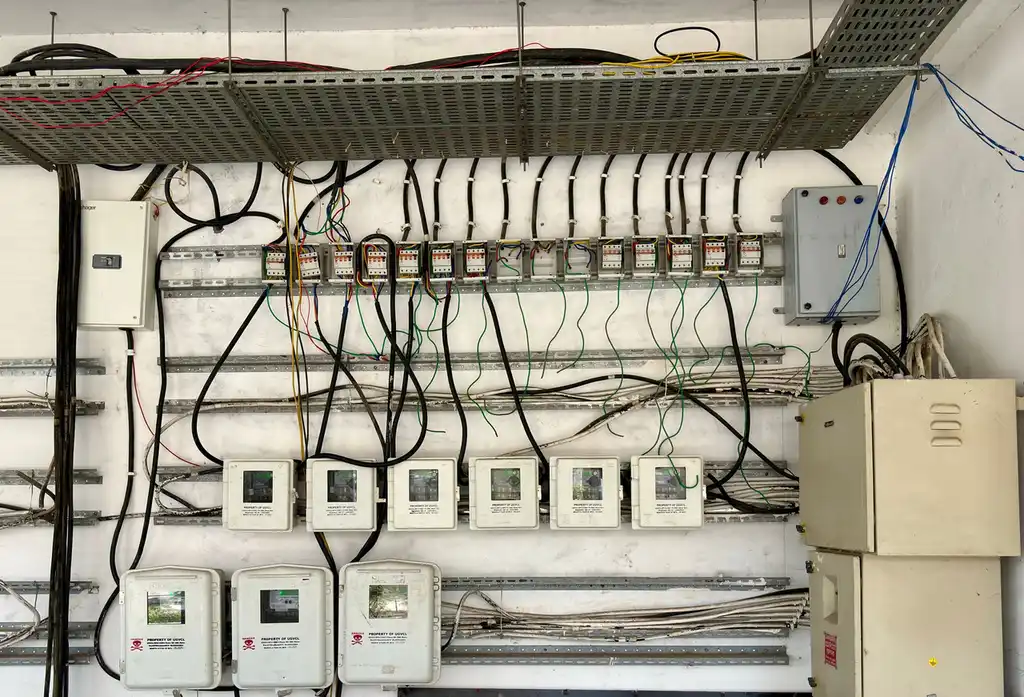
Overheating Outlet Repair Salisbury MD means finding out why a receptacle is warm, discolored, or tripping the breaker, then fixing the cause instead of the symptom. If your outlet is hot to the touch or smells like burning plastic, call (410) 589-2829. We run a 24/7 hot outlet fix in Salisbury Maryland for homes and businesses, and we test every circuit before we leave.
Useful updates and clear arrival timing.
Review the approach and price before deciding.
Equipped vehicles and respectful cleanup.
Neighbors serving neighbors with follow-through.
Every overheating outlet call starts with diagnosis and ends with a tested circuit. Here is what is included in a standard visit, and what we handle as an add-on if we find it.
We test the receptacle, the run, and the breaker with a clamp meter and voltage tester. You get a clear explanation of what failed and whether it is isolated to one outlet or spread across the circuit.
Damaged or heat-scarred receptacles get replaced with new Leviton or equivalent units rated for the load. We match the amperage and grounding to the circuit, and install GFCI where code requires it.
Loose backstabs, corroded screws, and melted wire nuts are cut back and redone properly. We pigtail with fresh THHN where needed and torque every connection to the manufacturer's spec.
We verify the breaker is the right size and trips correctly, and we look at the panel for heat damage or loose neutrals. If a breaker needs replacing, we quote it before doing the work.
Before we leave, the circuit runs under load for several minutes and we re-check temperature. Then we show you what we replaced and tell you which outlets to keep an eye on.
Share what is happening and receive a clear next step from the local team.
Overheating Outlet Repair Salisbury MD is the process of opening a warm or discolored receptacle, testing the circuit under load, and repairing the loose connection, worn contacts, or undersized wiring that made it heat up. Heat at an outlet almost always comes from resistance. A backstabbed wire, a tired Leviton receptacle, or a wire nut that never got tight enough will warm up every time current passes through it. We measure that with a clamp meter and a voltage tester, then rebuild the connection correctly.
Salisbury homes take a beating from humidity off the Wicomico River and from summer heat that pushes window units and dehumidifiers hard. Older housing stock around Fulton and the downtown blocks still runs aluminum branch wiring in places, and aluminum expands and contracts until terminations loosen. That is why we get so many calls for a Salisbury MD hot outlet fix in July and August. If you are searching for Overheating Outlet Repair in Salisbury MD near me, we are local and we answer the phone.
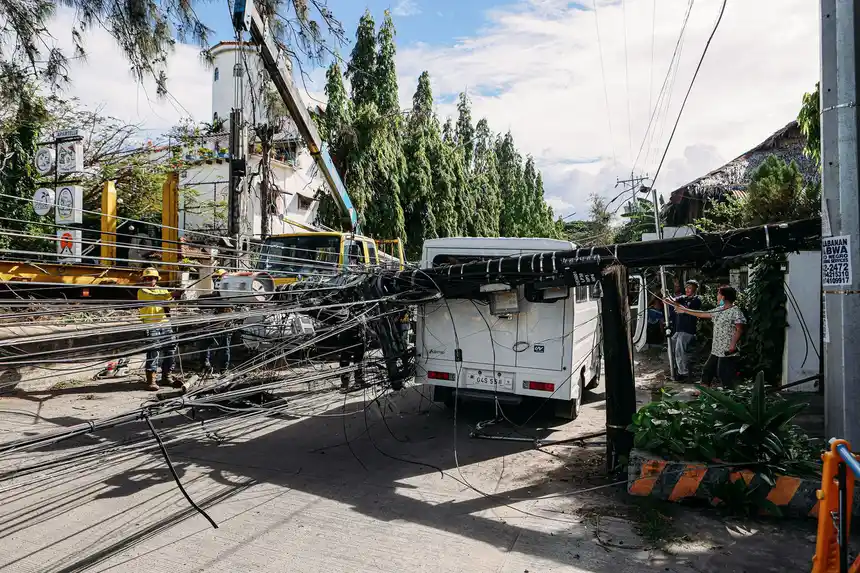
We ask three questions: is the outlet hot, is anything discolored, and do you smell burning. If there is smoke or arcing, we tell you to kill that breaker immediately and keep everyone away from the panel. Otherwise we book a same-day window and text you the tech's name.
On arrival we use a voltage tester and receptacle tester to confirm the fault, then a Fluke clamp meter to read actual current on the circuit. That tells us whether the problem is the outlet itself or an overloaded run. This step takes 10 to 15 minutes.
We pull the receptacle and inspect the terminations. Loose backstabs, scorched wire, and melted wire nuts are the usual suspects. If the Romex wire itself is heat-damaged, we cut back to clean copper and pigtail with new THHN. You get a plain-English explanation before we quote anything.
We install a new receptacle, tighten every screw to the manufacturer's torque spec with insulated screwdrivers, and replace any damaged junction box or wire nut. If the breaker is weak or undersized, we swap it for a matched Square D or Eaton unit. Most jobs finish in one visit.
We energize the circuit, run a load on it for several minutes, and re-check temperature with a clamp meter. Then we walk you through what failed and what to watch for. You get the old parts and a written summary of the work before we pack up.
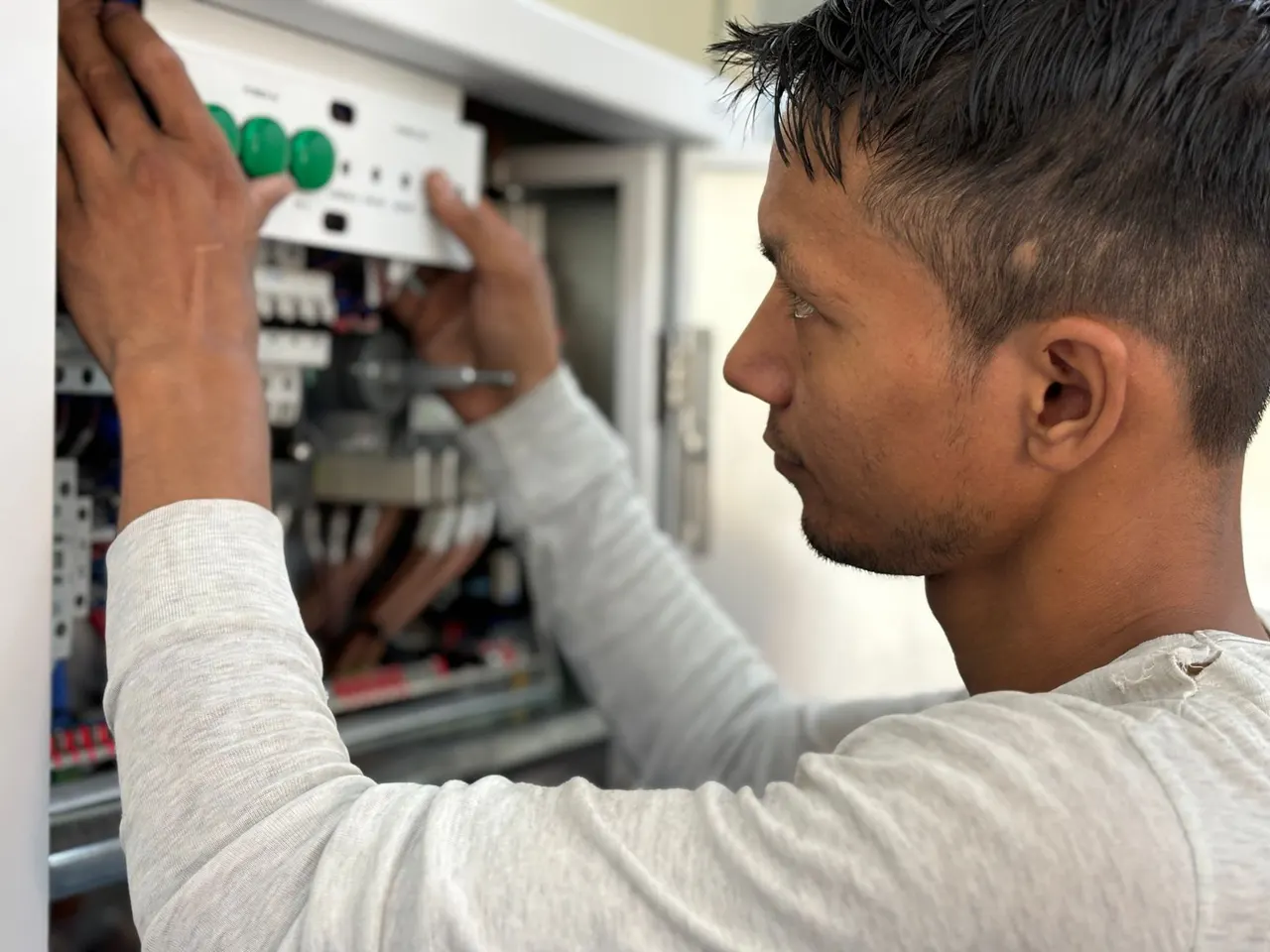
Reads actual current on the circuit under load so we can tell an overloaded run from a single bad connection.
Confirms wiring polarity, ground path, and GFCI function in seconds before we open anything up.
Verifies the circuit is dead before we touch conductors, and confirms proper voltage once the repair is done.
Used for every termination so we can torque connections to spec without risking contact on a live panel.
Maps which breaker feeds which outlet, which matters in older Salisbury panels with unlabeled circuits.
Cuts back heat-damaged Romex and THHN cleanly so the new termination is on fresh copper, not scorched wire.
Every repair follows NEC code, including GFCI requirements for kitchens, baths, garages, and outdoors. We bring the circuit up to current code rather than matching a previous installer's shortcut.
We work to NFPA 70E standards for arc flash and PPE, which means the circuit is de-energized and verified before any conductor work begins. That protects your home and our techs.
Loose connections cause most outlet heat, so we tighten every screw to the manufacturer's torque spec instead of guessing. It is a small step that prevents the same failure from coming back.
We run the circuit under load for several minutes and re-check temperature with a clamp meter. If it warms up, we keep working. You do not get a handshake until the outlet stays cool.

We test the circuit under the actual load, check the receptacle rating against the heater's draw, and either upgrade the receptacle or move the heater to a circuit that can carry it. We also verify the breaker is sized correctly. You run the heater on a circuit that stays cool, with a breaker that protects it properly.
We take the call directly, walk the tenant through killing the breaker, and dispatch a licensed tech. We handle access, do the repair, and send you a written summary with photos of what we found. The repair is done without you driving in, and you have documentation for your records.
We inspect the service, the panel, and the affected circuit for storm-related damage such as water intrusion or a loose neutral. Then we repair the outlet and re-test the whole run. The outlet runs cool again and we confirm nothing else on the circuit was damaged.
We diagnose and repair the outlet, then provide a written summary of the work and the code items we corrected, including GFCI protection where it was missing. The repair is documented for the buyer, and the inspection item is cleared.
Salisbury sits between the Wicomico River and the Route 13 corridor, and that location shapes the electrical calls we get. Summer humidity works on receptacles and panel interiors, and the older housing stock downtown and around Fulton still has aluminum branch wiring in places. Aluminum expands and contracts with every load cycle, so terminations loosen and outlets run warm. We also see a lot of window AC units and dehumidifiers plugged into circuits that were never sized for them, which is a steady source of emergency overheating outlet repair Salisbury calls from June through September. Winter brings its own version: space heaters on bedroom circuits. Our trucks carry Square D and Eaton breakers, Leviton receptacles, and the wire needed to finish most jobs on the first visit. If you are looking for a hot outlet fix Salisbury Maryland that is done to code, we are set up for it.
Older commercial and residential buildings with mixed wiring vintages. Outlet heat here often traces to aluminum terminations that have loosened over decades.
A high share of rental properties, which means outlet problems get reported late. We document repairs in writing for landlords who cannot be on site.
Family homes running heavy summer loads from window units and freezers. Overloaded circuits are the most common cause of warm outlets we find here.
A mix of older and renovated homes where previous DIY outlet swaps sometimes left backstabbed connections that heat up under load.
Moisture plus continuous AC and dehumidifier draw accelerates corrosion and resistance at terminations. We see more overheating outlets in July and August than any other months.
Aluminum expands and contracts until connections loosen. Repairs on these circuits need proper pigtailing and torque, not a simple receptacle swap.
Surges stress breakers and receptacles across the house. After a major storm we often find several outlets on the same circuit showing heat damage.
We regularly open a box and find undersized wire or missing grounds. Those shortcuts are a common root cause of outlet heat, and we correct them to NEC code.
A homeowner in Salisbury City Centre noticed the outlet behind her microwave was warm and the face plate had browned. The breaker had tripped twice that month. The receptacle had been backstabbed, and the connection had been loose for years.
We cut back the scorched wire, pigtailed with fresh THHN, and installed a new receptacle with screw terminations. The circuit held a 12-amp load for 15 minutes with no temperature rise. No trips since.
Maintenance: Keep the microwave on its own circuit if possible, and check the outlet face once a season for warmth or discoloration. If it feels warm, call before it browns.
A renter in Milford ran a 1,500-watt space heater on a bedroom circuit shared with three other outlets. The receptacle face warped and the plug fit loosely. The landlord called us after the tenant reported a burning smell.
We replaced the receptacle, replaced the undersized breaker with a correctly matched Square D unit, and moved the heater to a dedicated circuit. The outlet now runs at ambient temperature under full load.
Maintenance: Never run a space heater on a shared bedroom circuit. Check the plug fit monthly, and if it feels loose, stop using that outlet until it is replaced.
A storm pushed water into a Harnham garage, and weeks later the outlet on the back wall was warm and tripping the GFCI. The box had corrosion on the terminals and the ground connection was compromised.
We replaced the receptacle and the damaged box, restored the ground path, and installed a new GFCI. The circuit passed a load test and the GFCI tripped correctly when tested. Total repair time was about two hours.
Maintenance: Test the garage GFCI monthly with the test button, and check for moisture around the box after heavy rain. A damp box is a future outlet failure.
These are the four situations that bring Salisbury customers to the phone, and what happens when each one is ignored.
Heat at the face plate means the connection behind it is degrading. Left alone, the plastic can char and the wiring insulation can fail, which is how outlet fires start. We kill the circuit, pull the receptacle, and inspect the terminations. Loose backstabs get cut and remade, and the receptacle is replaced with a new unit. The circuit is load-tested before we leave so you know the heat is gone.
A burning smell is often the first sign of electrical arcing inside a box or behind drywall. It can smolder for weeks before it becomes visible, and by then the damage is expensive. We treat smell calls as emergencies and inspect the outlet, the box, and the run back to the panel. Once we find the arcing point, we repair the connection and replace any heat-damaged wire. You get a written record of what we found.
Repeated tripping stresses the breaker and the outlets on that circuit. Eventually the breaker stops protecting the circuit properly, and the outlet becomes the weak point. We measure actual current on the circuit under load, then decide whether the fix is a new receptacle, a correctly sized breaker, or moving the appliance to a dedicated circuit. We quote the options and you choose.
Loose contacts mean poor contact pressure, which creates resistance and heat. It also means plugs can work their way out, which is a shock risk around kids and pets. We replace the worn receptacle and check the mounting box for damage. If the box itself is loose or cracked, we replace it. The new outlet holds plugs firmly and runs cool under load.
$150 - $900 depending on scope
Typical 2026 pricing in this area runs $150 to $450 for a single overheating outlet repair, and $450 to $900 when the job includes a new breaker, GFCI receptacle, or wire repair behind the wall. After-hours emergency calls carry a higher rate. We quote the price at your door before any work starts, and if we open the wall and find something bigger, we stop and tell you the number before continuing. You are paying for diagnosis and a repair that holds, not a parts swap.
A proper repair costs a fraction of what fire damage costs, and it fixes the cause instead of the symptom. We quote before we start, warranty the work, and test the circuit under load so you know it is right.
One warm outlet is a straightforward repair. If the same circuit has three or four damaged receptacles, the labor adds up, though the per-outlet price usually drops on multi-outlet jobs.
If the Romex or THHN is heat-damaged, we cut back to clean copper and splice in new wire. That adds material and time, and it is not optional if you want the circuit to be safe.
A worn breaker or a panel with loose neutrals needs attention before the outlet repair will hold. Breaker replacement is a modest add-on; panel work is a larger job and we quote it separately.
Kitchen, bath, garage, and outdoor outlets need GFCI protection under NEC code. If yours is missing, we install it during the same visit, which adds the cost of the device.
Standard business-hour calls are quoted at our normal rate. Overnight and weekend emergency calls carry a premium because we are pulling a licensed tech off standby.

The outlet behind my microwave was warm and the face plate had gone brown. They came out the same afternoon, found a backstabbed wire that had never been tight, and replaced the receptacle. The tech showed me the scorched wire before he fixed it. No more heat, and he checked the other outlets on that circuit while he was here.
My tenant called about a burning smell in the kitchen. I called at 9 p.m. and a tech was there within the hour. Turned out to be two outlets on the same run with loose terminations. They repaired both, gave me a written summary for my records, and the price matched what they quoted on the phone.
We kept tripping the breaker every time the window AC kicked on, and the outlet was hot to the touch. They tested the whole circuit, replaced the receptacle and a weak breaker, and explained that the run was overloaded. That was last summer and we have not tripped once since.
Heat at an outlet means resistance, and resistance usually means a loose wire termination, worn receptacle contacts, or a circuit running more load than it was sized for. In Salisbury, humidity and heavy summer use of window AC units speed that up. If the face plate is warm or discolored, stop using that outlet and call us at (410) 589-2829.
Typical 2026 pricing in this area runs $150 to $450 for a single outlet repair, and $450 to $900 if the circuit needs a new breaker, GFCI receptacle, or wire repair behind the wall. After-hours emergency calls carry a higher rate. We quote the price at your door before any work starts.
A licensed electrician should, not a handyman. Outlet heat is a circuit problem, and diagnosing it needs a clamp meter, a voltage tester, and working knowledge of NEC code. Our techs hold Maryland Master and Journeyman Electrician licenses and handle hot outlet repair Salisbury MD across Wicomico County, including 21801 and 21804.
Yes, if the outlet is hot to the touch, discolored, sparking, or giving off a burning smell. Those are signs of electrical arcing, and arcing starts fires inside walls. Kill the breaker and call us immediately. A warm outlet with no other symptoms can wait for a same-day appointment, but do not keep plugging things into it.
Not seeing your question? Our local team can help you understand urgency, scheduling and what to expect.
Ask the local team
Most overheating outlet calls come from homeowners, and our residential emergency electrician service covers the same houses, panels, and circuits. If the outlet heat traces back to a failing panel or a tripped main, we handle both in one visit instead of sending you to a second contractor.
View service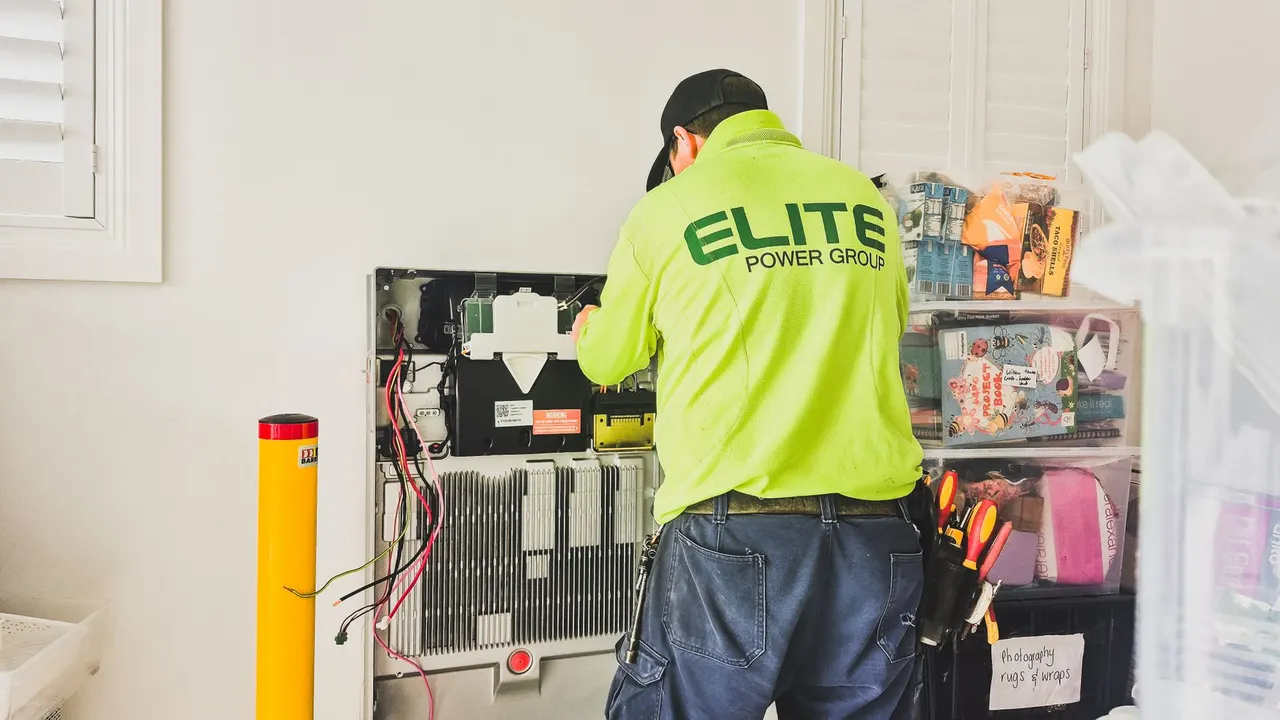
Retail shops and restaurants in downtown Salisbury run heavy loads through older receptacles. Our commercial emergency electrician crew repairs overheated outlets on kitchen equipment circuits, display runs, and office banks, and we work around your operating hours so you do not lose a day of business.
View serviceAn outlet that keeps overheating often points at a breaker that is not tripping when it should. We test and repair breakers as part of the same visit, so the protection upstream actually works. If your breaker feels warm or will not reset cleanly, that gets fixed too.
View service
When a breaker is undersized or worn out, replacing it is the fix that keeps the outlet from cooking again. We stock Square D and Eaton breakers and match the replacement to your panel. This is a common add-on when we find heat damage at the outlet.
View service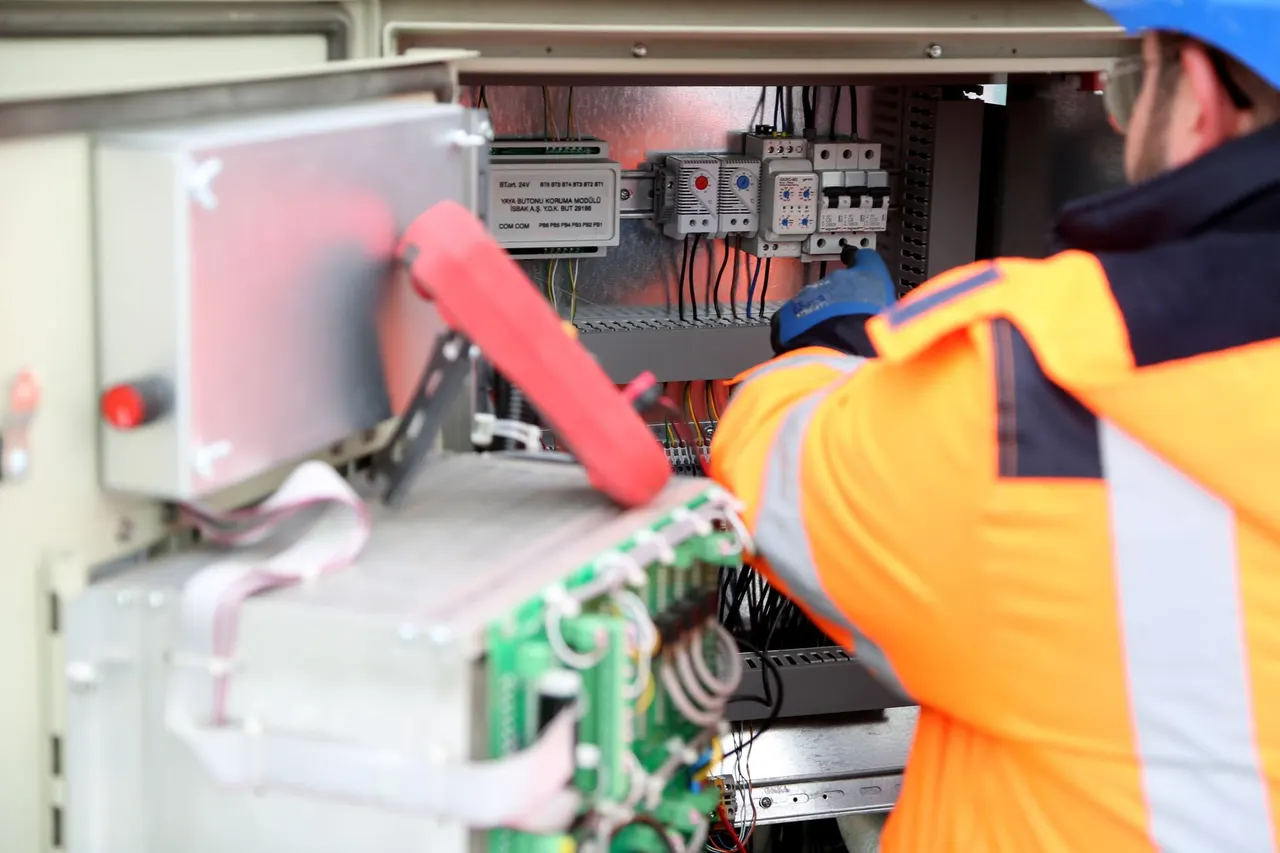
Our line is open 24 hours a day, every day of the year. Call (410) 589-2829 and a live dispatcher will take your address and the problem, then send the nearest licensed electrician. For non-urgent work, email us and we will schedule a visit that fits your day.