Focused arrival windows
Useful updates and clear arrival timing.
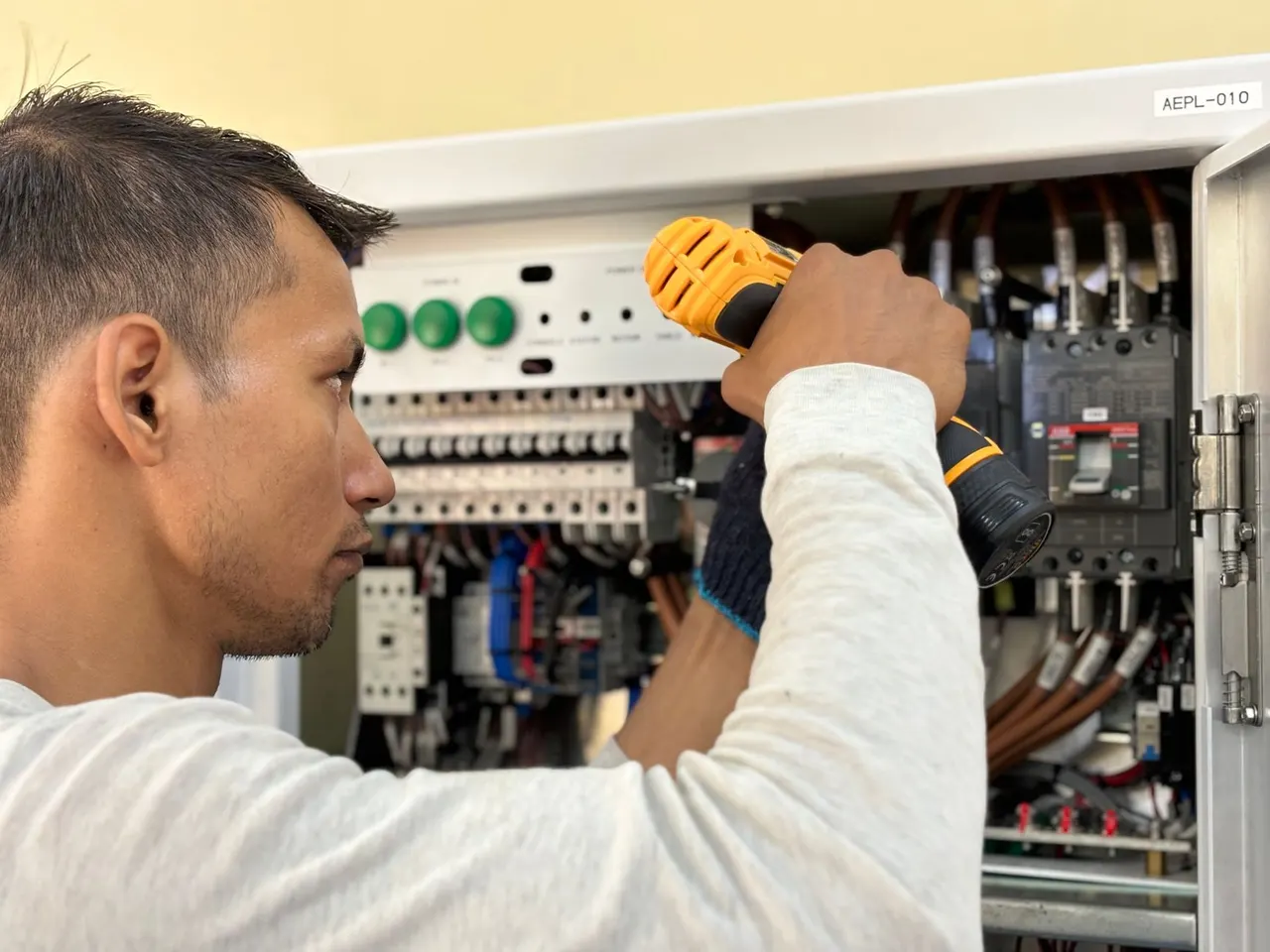
Generator Transfer Switch Repair Salisbury MD keeps your backup power alive when the utility lines go down. We handle residential and commercial automatic transfer switches across Wicomico County, from dead contacts to burned-out coils. If your generator runs but your building stays dark, the switch is the problem, and we can diagnose it the same day you call.
Useful updates and clear arrival timing.
Review the approach and price before deciding.
Equipped vehicles and respectful cleanup.
Neighbors serving neighbors with follow-through.
Every Generator Transfer Switch Repair Salisbury MD visit covers the full switch, not just the part that failed. We test the sensing circuit, the coil, the contacts, the control wiring, and the enclosure. If we find a second problem, we tell you and quote it before touching anything. Here is what is standard on every call.
We test the switch under real load with a Fluke clamp meter and voltage tester. That means killing the utility feed, watching the transfer attempt, and measuring coil voltage and contact resistance. You get a clear answer on what failed and why.
Pitted contacts get dressed or replaced. Failed coils get a new mechanism. We torque every lug to the manufacturer spec and confirm the delay timer resets correctly after the transfer test.
Burned, loose, or rodent-damaged control wires get replaced with THHN and re-terminated. Loose neutrals, a common cause of intermittent transfers, get fixed at the same time so the switch gets a clean signal.
We inspect the enclosure for water damage, cracks, and arcing soot. Grounding and bonding get verified, and we label the switch with model and serial number for future service.
The job is not done until the switch transfers under load and transfers back. We run the generator, move the load, and watch every circuit. You see the test so you know what normal looks like.
Share what is happening and receive a clear next step from the local team.
Generator Transfer Switch Repair Salisbury MD is the electrical trade work that restores the automatic switch gear sitting between your utility feed and your standby generator. The switch senses a power loss, waits a set delay, then moves the load from the grid to the generator. When that mechanism fails, your generator can run all night and your building still sits dark. We test the sensing circuit, the coil, the contacts, and the control wiring, then repair or replace what failed.
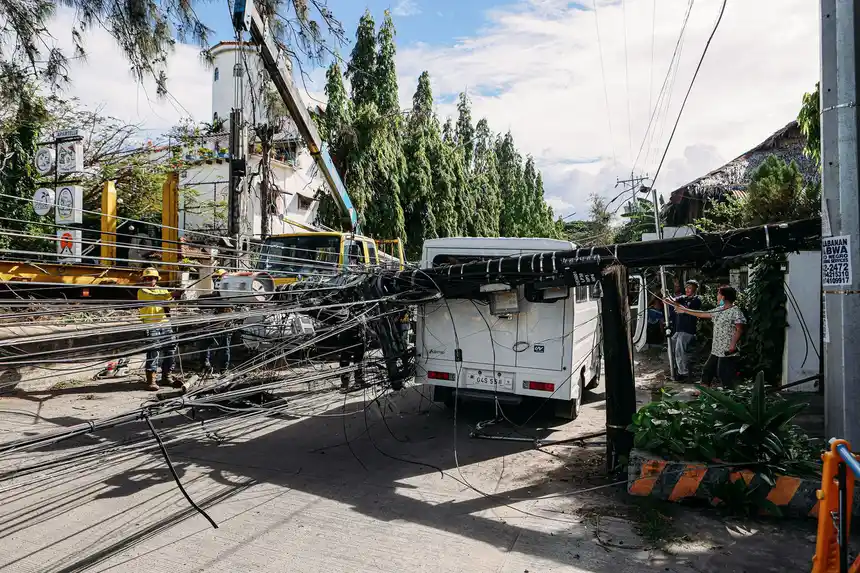
Salisbury sits in a storm corridor that chews through transfer switches. Summer thunderstorms knock out Delmarva Power feeds for hours, and winter ice storms do it for days. Every outage cycles the switch, and every cycle wears the contacts a little more. Homeowners in older Newtown and Camden-area houses often run 20-year-old switches that were never serviced. That is when people search for transfer switch repair Salisbury Maryland and find us.
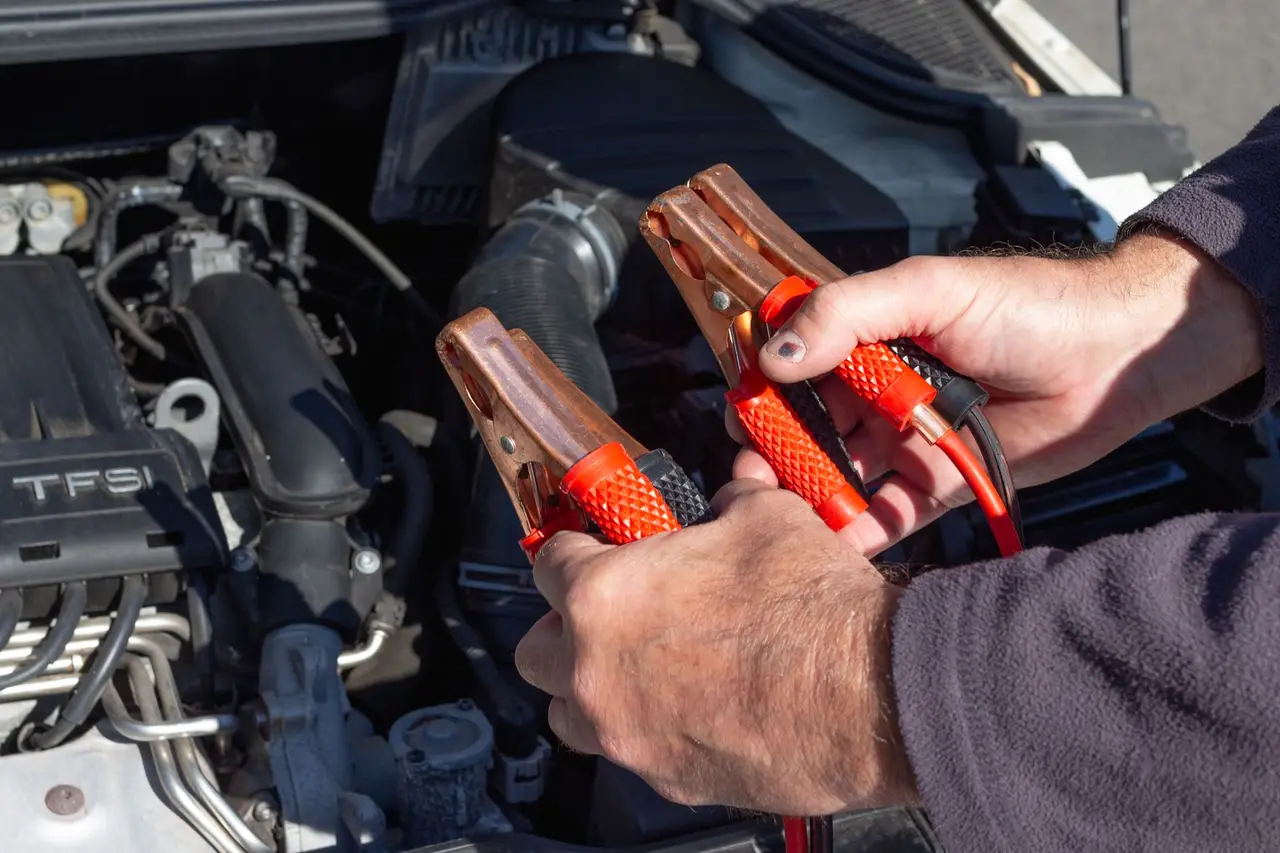
You call (410) 589-2829 and describe what the generator and the panel are doing. We ask whether the generator starts, whether the house ever transfers, and whether you smell burning. That five-minute call tells us which parts to load on the truck before we leave the shop.
We kill the utility feed at the main and watch the switch try to transfer. A clamp meter on the coil circuit and a voltage tester on both line and load lugs tell us whether the switch is getting the signal. Most diagnoses take 30 to 45 minutes.
Loose lugs get torqued. Burned control wires get replaced with THHN. Failed coils and pitted contacts get a new switch mechanism. If the whole enclosure is water-damaged or cracked, we quote a full replacement and walk you through the options.
We do not leave until the switch transfers under real load. Generator on, utility off, every circuit checked. Then we transfer back and confirm the delay timer resets correctly. You watch the test with us so you know exactly what normal looks like.
We label the switch, note the model and serial number, and leave you a written record of what failed and what we did. That record saves time on the next service call and helps if you ever file an insurance claim after storm damage.
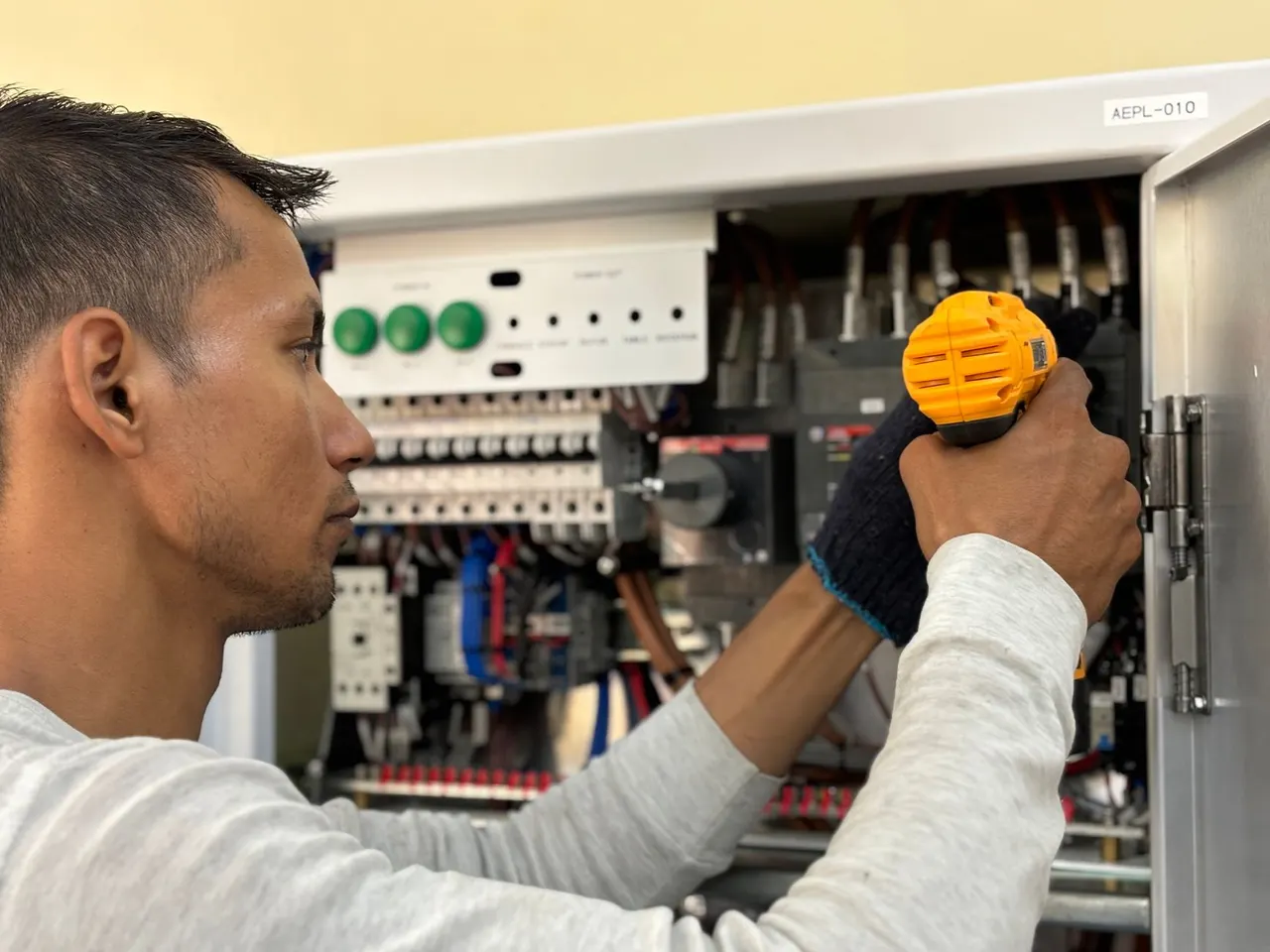
Measures coil current and load current without breaking the circuit. It tells us whether the switch is getting the signal to transfer and whether the contacts are carrying full load.
Confirms presence and absence of voltage on line and load lugs before we touch anything. Safety first, and it also proves which leg of a switch has failed.
Traces the control circuit back to its breaker when a tripping breaker is killing the transfer. Saves time and drywall.
For safe work inside the enclosure. We re-terminate control wires with clean, correct strips so connections hold torque.
Every lug gets torqued to the manufacturer spec. Loose lugs are one of the most common causes of transfer switch heat and failure.
Checks continuity on control relays and confirms the delay timer circuit works. A five-dollar relay can stop a whole transfer.
Every repair follows NEC code for transfer equipment, grounding, and conductor sizing. That protects you at inspection and at resale, and it keeps the installation safe for the next technician who opens the enclosure.
We treat every switch enclosure as energized until proven otherwise. Arc-flash boundaries, PPE, and lockout practice are standard on our calls, especially on commercial switch gear.
We do not sign off on a repair until the switch transfers real building load and transfers back. A switch that only works unloaded is a switch that will fail when you need it.
We use manufacturer contact kits and coils where available, and we torque to the spec printed on the label. Correct parts and correct torque are what make a repair last.
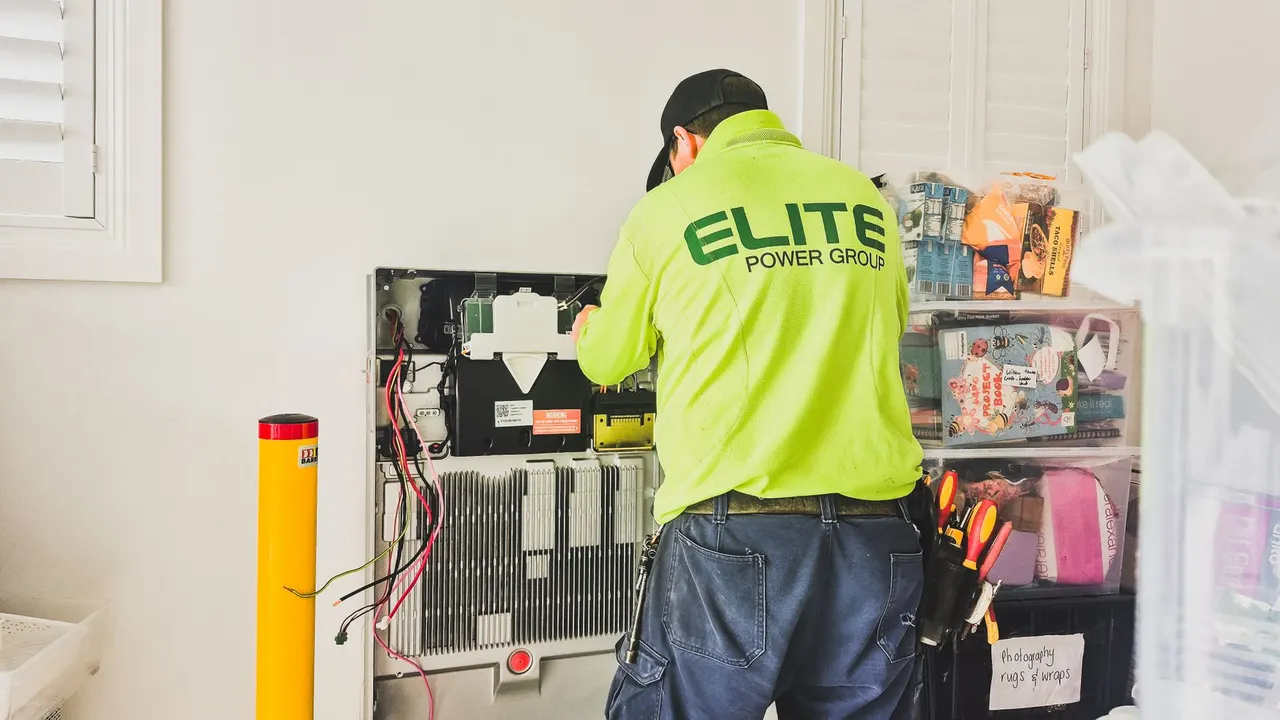
We diagnose the transfer switch, usually finding a failed coil or burned contact. We repair the switch, test it under load, and confirm the house transfers on the next outage. Backup power works the way it was sold to work. No more running an extension cord to the fridge.
We run an emergency call, find the switch stuck mid-position, and repair the mechanism. We document the repair in writing for the property file. Tenant power restored the same night, and the landlord has a record for insurance and taxes.
We inspect the commercial transfer switch, find arcing damage on the control wiring, and replace it with new THHN. We test the switch through several full cycles. The burning smell is gone and the switch transfers cleanly, keeping refrigeration and servers online.
We test the switch, find the contacts corroded from sitting, and repair or replace the mechanism. We also walk the owner through a monthly exercise routine. The switch works again, and a simple monthly test keeps it working through the next storm season.
Salisbury's weather is hard on standby power. Summer thunderstorms and winter ice storms knock the grid out often enough that transfer switches here cycle far more than the national average. Older homes around Newtown and the Camden Avenue corridor often have original 1990s switch gear that has never been serviced. Newer construction out toward Bishopdown and Laverstock tends to have Generac and Square D switches that are better built but still need contact inspection every few years. We also see water intrusion in outdoor enclosures after nor'easters, which is why we check gaskets and conduit seals on every call. If you are searching for affordable transfer switch repair Salisbury MD, we quote the repair before we start and we carry the common parts. Wicomico County inspections follow Maryland code, and we leave every switch labeled and documented so the next inspection is uneventful.
Older commercial and residential buildings with a mix of aging transfer switches and newer standby systems. Many enclosures sit in tight electrical rooms where heat builds up.
A mix of rentals and owner-occupied homes. We see a lot of intermittent transfer calls here, often from loose control wiring rather than a dead switch.
Larger homes with standby generators. Outdoor switch enclosures here take weather on the chin, so gasket and conduit seal checks matter.
Newer construction with Generac and Square D switches. These units are reliable but still need contact inspection every few years.
Established neighborhood where original switch gear is now old enough that coils and contacts are reaching end of life.
Every outage cycles the transfer switch. More cycles mean faster contact wear, so Salisbury switches need inspection more often than switches in calmer parts of Maryland.
Humidity corrodes contacts and control terminals inside outdoor enclosures. We clean and protect terminals on every service call to slow the corrosion down.
Many Salisbury homes still run 20-plus-year-old switches. We inspect these closely for pitted contacts, brittle wiring, and cracked enclosures before they fail during an outage.
Water gets into conduit and enclosures, then freezes and expands. That cracks gaskets and can short control circuits. We check for water damage on every winter call.
A homeowner in Salisbury City Centre had a generator that started every outage but never transferred. The house lost power for 14 hours during a July storm. The switch contacts were pitted and black, and the coil was weak from repeated failed attempts.
We replaced the contact kit and coil, torqued every lug to spec, and ran three full transfer cycles under load. The house transferred in under 12 seconds on the next outage. Total repair time was about two and a half hours.
Maintenance: Exercise the generator monthly and have the switch contacts inspected every two years. A $200 inspection beats a $900 replacement.
An outdoor transfer switch in Harnham filled with water after a nor'easter. The enclosure gasket was cracked and the control board was corroded. The generator would start but the switch would not move at all.
We replaced the enclosure and switch mechanism, resealed the conduit entries, and tested the new switch through five transfer cycles. The system has run clean through two subsequent storms.
Maintenance: Check the enclosure gasket every fall before storm season and reseal conduit entries if you see any moisture inside.
A commercial building near Churchill Gardens lost half its power after a transfer. The switch was stuck between utility and generator positions, leaving one leg dead. Refrigeration units were cycling on and off and the owner was worried about spoilage.
We freed the mechanism, replaced the damaged control wiring with THHN, and confirmed full voltage on both legs through a complete transfer. The building ran normally the same afternoon.
Maintenance: Schedule an annual transfer test on commercial switches. A stuck switch caught early is a repair; caught late, it is a replacement.
Most transfer switch calls come down to a handful of failures. Here are the ones we see most often in Salisbury and what happens if you let them ride.
You burn fuel and get nothing. During a long outage, food spoils, pipes freeze, and sump pumps stop. The longer it runs, the more the switch mechanism wears from repeated failed attempts. We test the sensing circuit and coil first, because that is where most no-transfer calls fail. If the coil is dead, we replace it. If the control wiring is loose, we re-terminate it. Then we run a full transfer test under load before we leave.
A humming switch is a switch fighting itself. The coil is usually weak or the contacts are not seating fully. Left alone, it overheats, and an overheated switch can arc or catch fire. We measure coil voltage and inspect the contact faces. A weak coil gets replaced. Pitted contacts get dressed or swapped. We also check the control breaker, because a weak feed makes a good coil hum.
This is the one you do not wait on. A burning smell means something inside is overheating, and the next stage is arcing or fire. It also voids most homeowner insurance claims if you ignored it. We inspect the enclosure, find the overheated component, and repair or replace it. Common culprits are loose lugs, undersized control wire, and a failing coil. We test the repair under load and confirm no heat builds up.
A partial transfer usually means one leg of the switch is not making contact. Half your panel runs, half does not. That can damage motors and electronics that expect full voltage on both legs. We test both line and load lugs on each leg with a voltage tester. A stuck or pitted contact on one leg gets repaired or replaced. Then we verify full voltage on every circuit through a complete transfer cycle.
$180 - $1,400 depending on repair scope
Typical 2026 pricing for transfer switch repair in Salisbury runs $180 to $450 for a repair and $650 to $1,400 for a full switch replacement, installed. The diagnostic visit itself is quoted upfront, so you know the number before we start. If we open the switch and find a bigger problem, we stop and call you with the new price. No surprise invoices.
A transfer switch repair costs a fraction of a new standby generator, and it restores the backup power you already paid for. We quote before we start, use manufacturer parts, and test under load so the repair holds.
A 200-amp residential switch costs less to repair than a 400-amp commercial unit. Larger switches use heavier contacts and bigger coils, and the parts cost more. We quote based on the model number on your enclosure.
Common Generac and Square D contact kits are on our truck, so those repairs finish in one visit. Older or discontinued switches may need a special-order part, which adds a day or two and a small freight charge.
Outdoor switches take weather damage and often need gasket, conduit, and enclosure work along with the electrical repair. That adds labor. Indoor switches in clean electrical rooms are usually faster to service.
If the control wiring is burned, chewed, or brittle, we replace it while the switch is open. That adds material and maybe an hour of labor, but it prevents a callback. We tell you before we do it.
After-hours emergency calls carry a higher rate than a scheduled weekday visit. If your switch can wait until morning, you will save money. If your building is dark, call us and we will roll.
Our technicians work on standby power systems every week, not once a season. We hold Maryland Master Electrician and Journeyman Electrician licenses, and we train on NFPA 70E arc-flash safety so we can work live panels safely when the job calls for it. We have repaired and replaced transfer switches behind Generac, Square D, Eaton, and Siemens gear across Salisbury and Wicomico County. That range matters, because a 200-amp Generac switch and a 400-amp commercial Eaton switch fail in completely different ways.

Our generator ran for two days after the last storm and the house never switched over. Salisbury Electric Response found a burned contact in the transfer switch and had the part on the truck. Fixed in about two hours. They tested it three times with the generator running before they left.
We manage several rentals and one of them lost half its power after a transfer. Their tech traced it to a switch stuck mid-position and repaired it the same afternoon. He labeled everything and left a written record, which our owners appreciated. Fair price, no runaround.
Our commercial transfer switch started arcing and we could smell it in the back office. They came out after hours, found the damaged control wiring, and replaced it with THHN. The switch has transferred cleanly through two outages since. Good communication the whole way.
Most residential transfer switch repairs in Salisbury run $180 to $450 in 2026, and full switch replacements run $650 to $1,400 installed. The number depends on whether we are replacing a coil, a contact kit, or the whole mechanism, and whether the switch is indoors or out in the weather. We quote the price before we start.
The three most common causes we find are burned contacts, a failed transfer coil, and loose control wiring. Storm surges and repeated outage cycles wear the contacts down until they cannot carry load. A tripping circuit breaker feeding the control circuit will also stop a transfer cold. We test each circuit to isolate the real cause.
Salisbury Electric Response repairs transfer switches across Salisbury and Wicomico County. Our technicians hold Maryland Master and Journeyman Electrician licenses and work on Generac, Square D, Eaton, and Siemens switches. Call (410) 589-2829 and we will schedule a diagnostic visit, usually the same day.
Yes, if your generator runs but your building has no power, treat it as an emergency. You are paying for fuel and getting nothing. A switch stuck mid-transfer can also leave live parts exposed. We run 24/7 emergency transfer switch repair Salisbury calls, including nights and weekends during storm season.
Not seeing your question? Our local team can help you understand urgency, scheduling and what to expect.
Ask the local team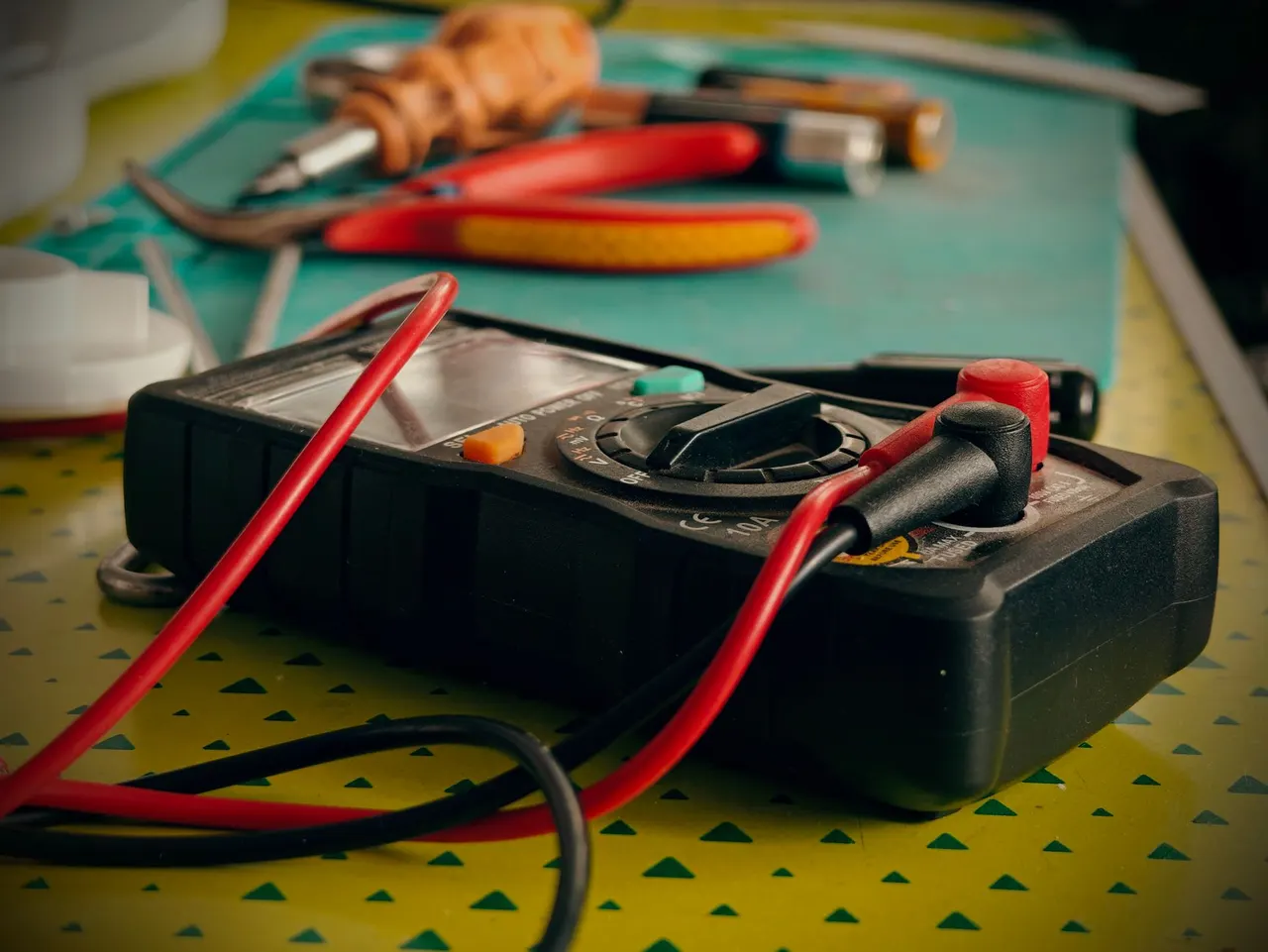
When a transfer switch fails, the whole house loses backup power. Our residential emergency electricians in Salisbury restore home power fast, whether the fault is in the switch, the panel, or the wiring between them.
View service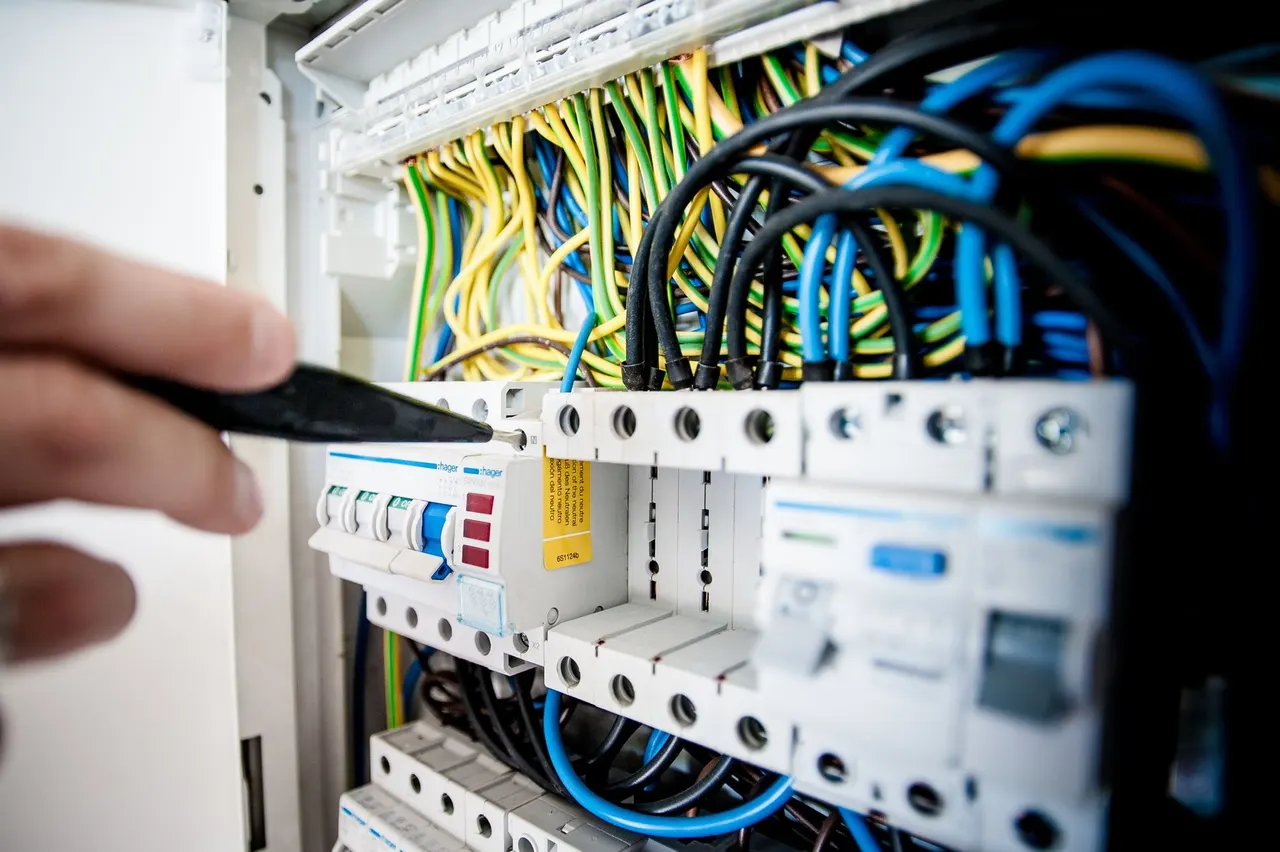
Commercial transfer switches carry heavier loads and fail differently than residential units. We repair commercial switch gear for Salisbury businesses so refrigeration, servers, and lighting stay on through an outage.
View serviceA tripping circuit breaker feeding the transfer switch control circuit will stop a transfer dead. We repair and replace breakers across Salisbury so the switch gets the signal it needs to move.
View servicePitted or weak breakers cause nuisance trips that look like transfer switch failures. We replace breakers with code-correct components and confirm the control circuit holds under load before we leave.
View service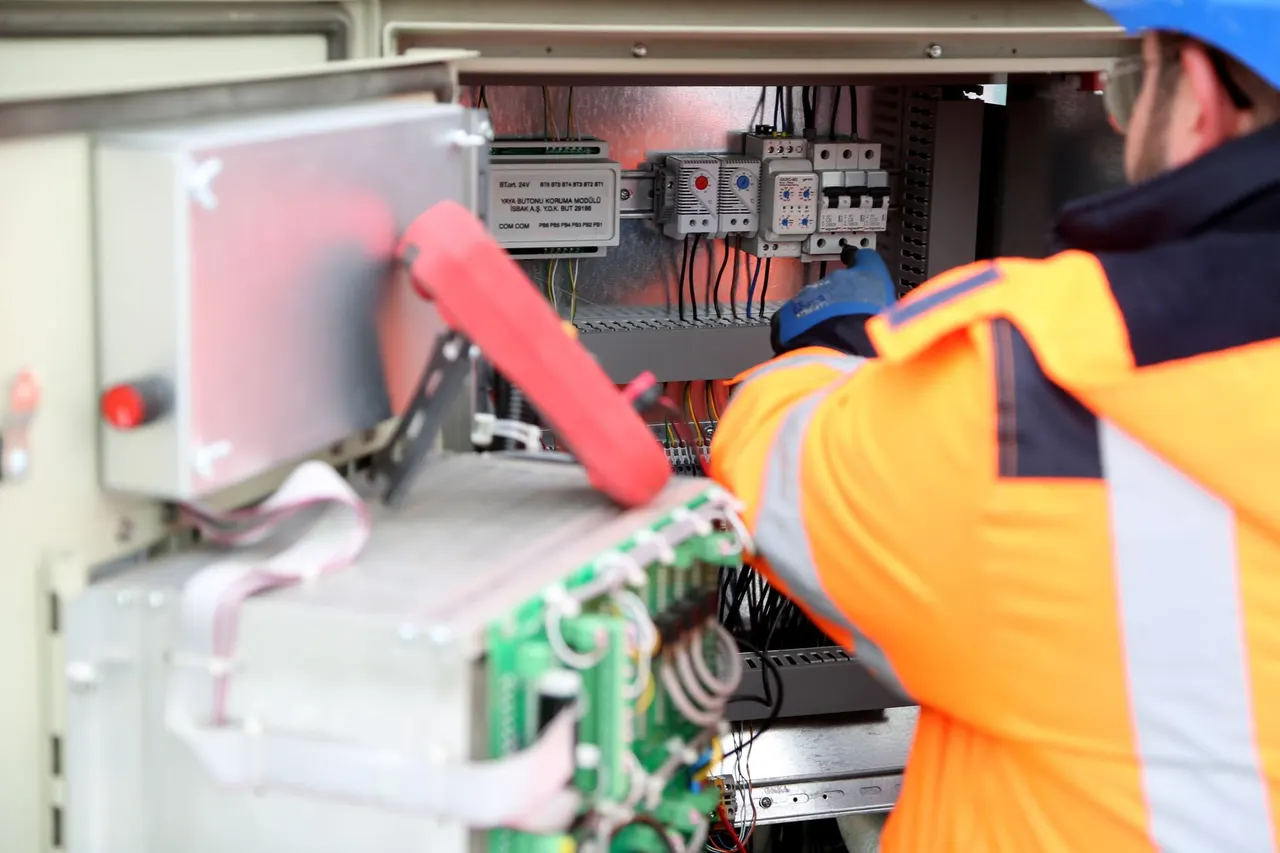
Our line is open 24 hours a day, every day of the year. Call (410) 589-2829 and a live dispatcher will take your address and the problem, then send the nearest licensed electrician. For non-urgent work, email us and we will schedule a visit that fits your day.