Focused arrival windows
Useful updates and clear arrival timing.
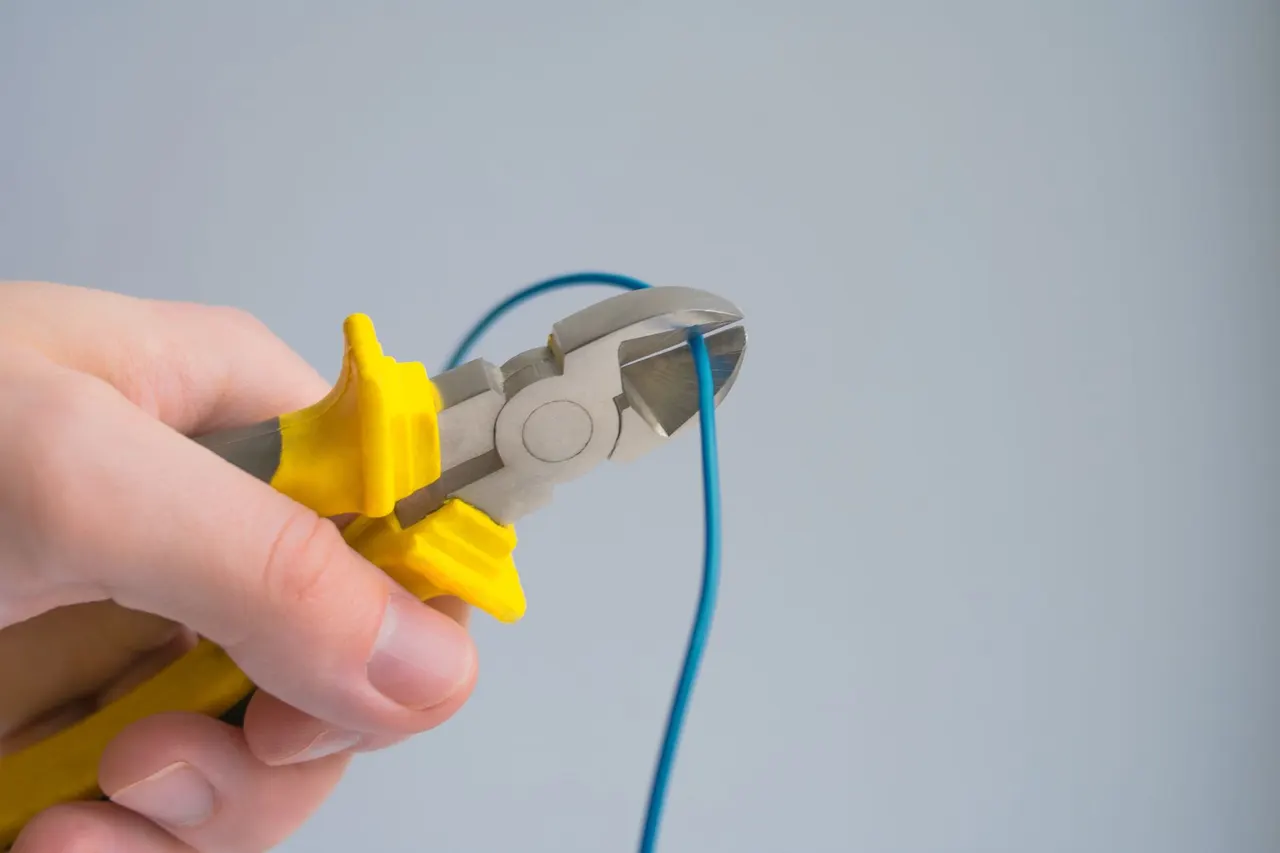
Electrical Power Fluctuation Repair Salisbury MD is what we do when your lights dim, your breaker trips, or half your house goes dark. We serve homeowners and businesses across Wicomico County with same-day diagnosis and a 24/7 power fluctuation fix Salisbury Maryland. One call to (410) 589-2829 gets a licensed tech to your door.
Useful updates and clear arrival timing.
Review the approach and price before deciding.
Equipped vehicles and respectful cleanup.
Neighbors serving neighbors with follow-through.
Every job starts with a full diagnostic and ends with a load test. Here is what is covered in a standard visit. Anything beyond this scope, like a full panel replacement, gets quoted separately before we start.
We pull the cover, inspect every breaker and lug, and check for scorching, corrosion, and loose terminations. Thermal readings on the main breaker and bus bars tell us if anything is running hot under normal load.
A Fluke multimeter and clamp meter measure voltage at the panel and at multiple outlets while we cycle major appliances. We document the readings so you can see exactly what was happening before and after the repair.
Loose connections get re-torqued to manufacturer spec. Failed breakers, outlets, and switches get replaced with matching Square D, Eaton, or Leviton parts from our truck stock. Wire damage gets spliced properly inside a junction box.
Poor grounding causes erratic voltage and is a shock risk. We verify the ground rod connection, main bonding jumper, and equipment grounds on every circuit we touch, and correct anything that does not meet NEC code.
You get an emailed summary the same day listing what failed, what we replaced, and the test readings that confirmed the fix. If you are a landlord or property manager, this documentation is ready for your files.
Share what is happening and receive a clear next step from the local team.
Electrical Power Fluctuation Repair Salisbury MD is the diagnostic and repair work that finds why voltage at your outlets rises and falls instead of holding steady. We start with a clamp meter and a multimeter at the panel, then work outward through branch circuits. Loose neutrals, failing breakers, and corroded aluminum connections are the usual suspects. Once we isolate the fault, we repair or replace the failed component and re-test under load.
Salisbury homes take a beating from summer storms and winter ice, and that drives most of our calls. A tree limb on the service drop, a water-damaged panel in a Milford basement, or a 1970s Federal Pacific panel that never got replaced. If your lights pulse every time the AC kicks on, that is a voltage fluctuation repair Salisbury MD job, not something to wait out. We see it in rentals near Salisbury University and in older homes off Riverside Drive alike.
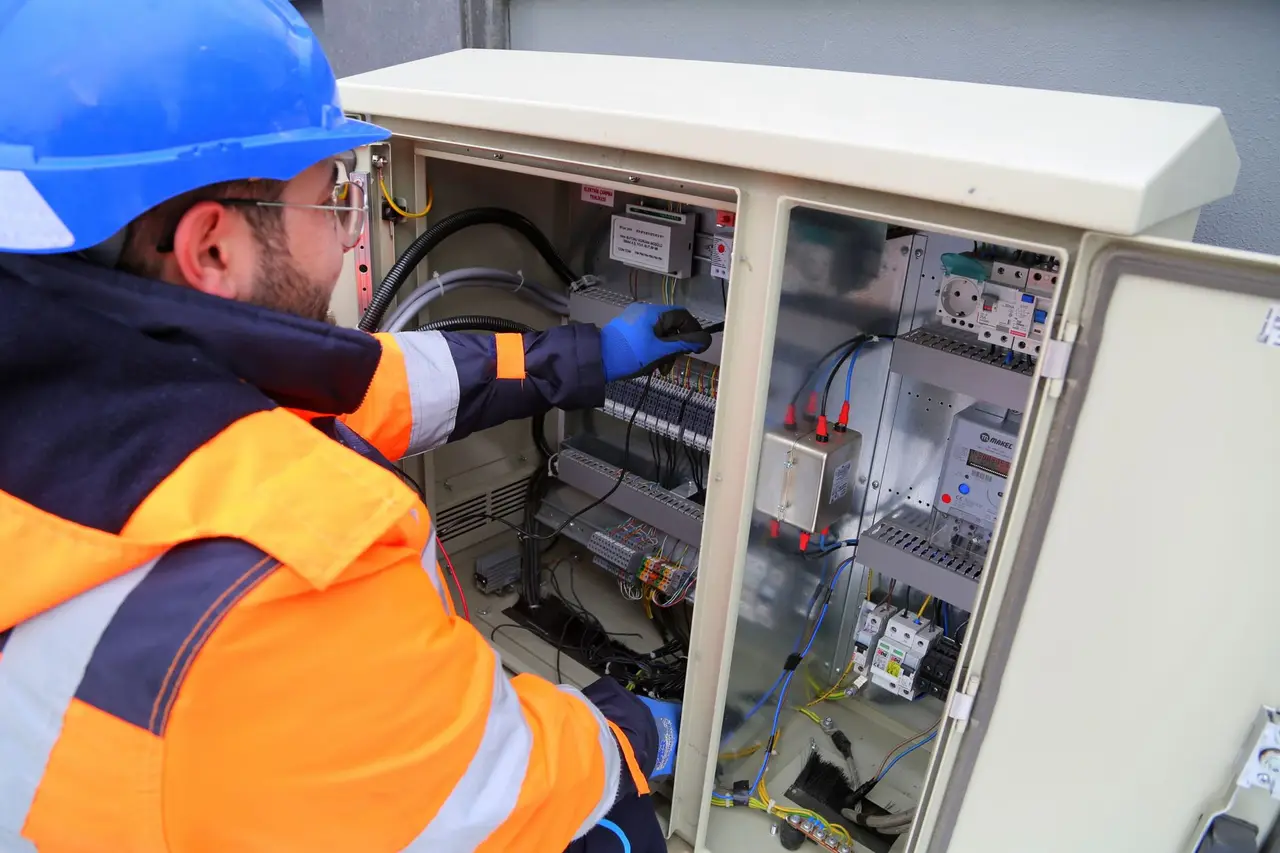
You describe the symptom, we ask three questions: is it whole-house or one room, does it happen when big appliances start, and do you smell anything hot. That tells us whether to treat it as an emergency or schedule a same-day diagnostic. Takes about five minutes.
We arrive with a Fluke multimeter and clamp meter, pull the panel cover, and measure voltage line-to-line and line-to-neutral. A receptacle tester checks every accessible outlet. This usually runs 30 to 45 minutes and tells us whether the fault is utility-side or inside your wiring.
We use a circuit breaker finder and fish tape to trace the problem circuit without tearing up drywall. If a junction box behind a wall is the culprit, we cut a clean access hole and patch it after. Most faults are located within the first hour.
Loose lugs get re-torqued. Burnt breakers get swapped for a matching Square D or Siemens unit. Corroded aluminum gets treated with antioxidant paste and re-terminated. We use Klein Tools insulated screwdrivers and Southwire Romex for any new runs.
Before we leave, we run the HVAC, dryer, and microwave simultaneously and watch the meter. Voltage must hold steady within 3 percent. We walk you through what failed, show you the old part, and email a written summary the same day.
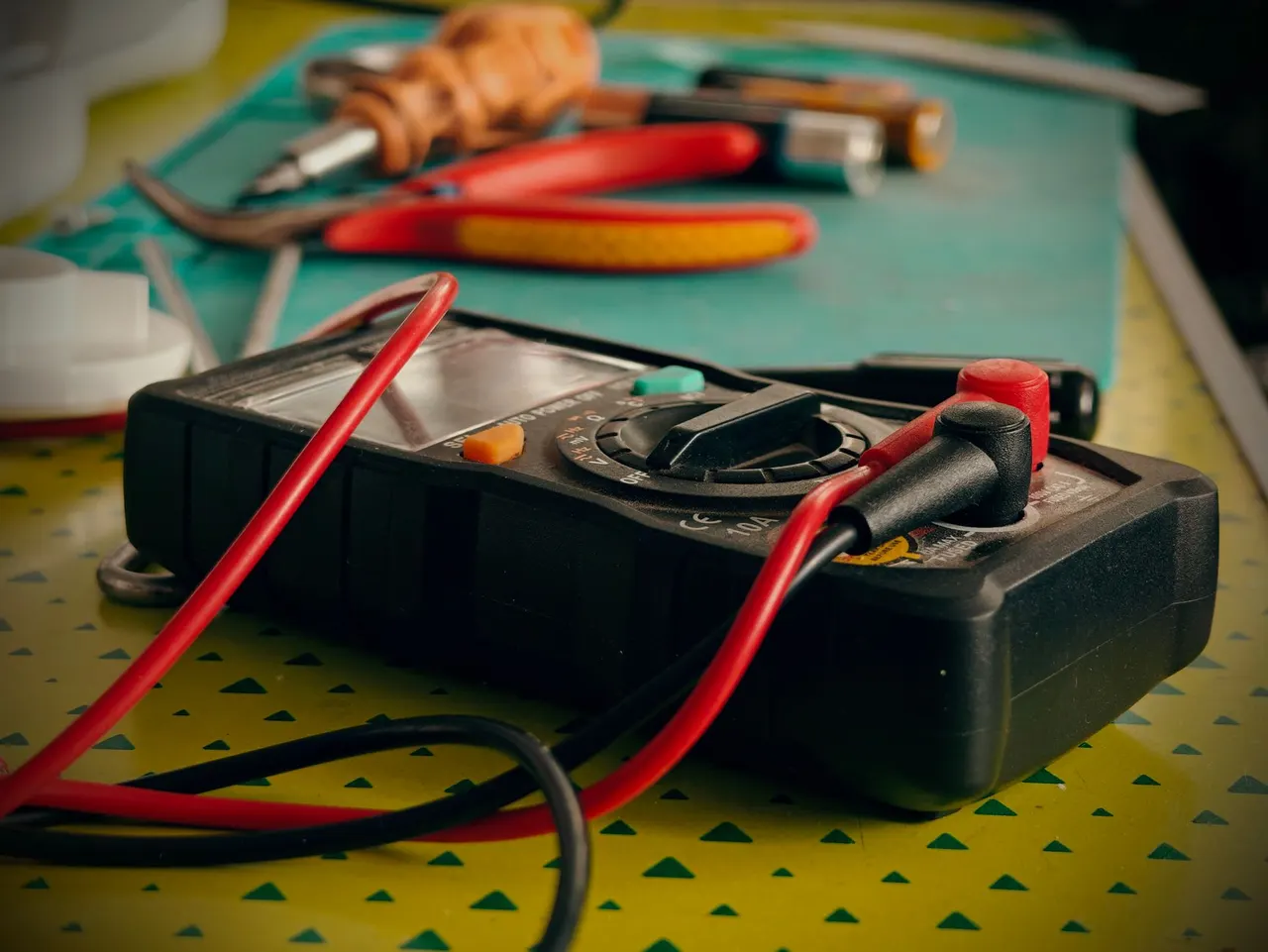
Measures voltage, current, and resistance at the panel and at individual outlets. The clamp meter lets us read load on a circuit without disconnecting anything, which speeds up diagnosis.
Rated to 1,000 volts for safe work inside live panels. We use them for terminal work and always verify the circuit is de-energized before touching conductors.
Traces which breaker controls which outlet without flipping every switch in the house. Saves 20 to 30 minutes on every job and avoids accidentally killing power to a home office or freezer.
Checks every accessible outlet for correct wiring, ground, and GFCI function. Catches reversed polarity and open grounds that cause erratic equipment behavior.
Used for any new circuit runs or damaged wire replacement. We match the existing gauge and insulation type so the repair meets NEC code and passes inspection.
Stocked on the truck in common sizes so a failed breaker gets replaced in the same visit. We match the brand to your panel to keep the listing and warranty intact.
Every repair follows the National Electrical Code, including proper box fill, grounding, and conductor sizing. We do not cut corners on a repair just because it is behind drywall. If it would not pass inspection, we do not leave it that way.
We follow NFPA 70E for arc-flash boundaries and personal protective equipment when working on or near energized equipment. That protects our techs and means we never take a shortcut that puts your panel at risk.
After every repair, we run the major appliances on that circuit simultaneously and watch the meter. Voltage must hold within 3 percent under load. If it does not, we keep working until it does.
We check for hot spots at breakers, lugs, and outlets with a thermal reading, then visually inspect for scorching, carbon tracking, and melted insulation. Heat and discoloration are the two best early warnings of a failing connection.
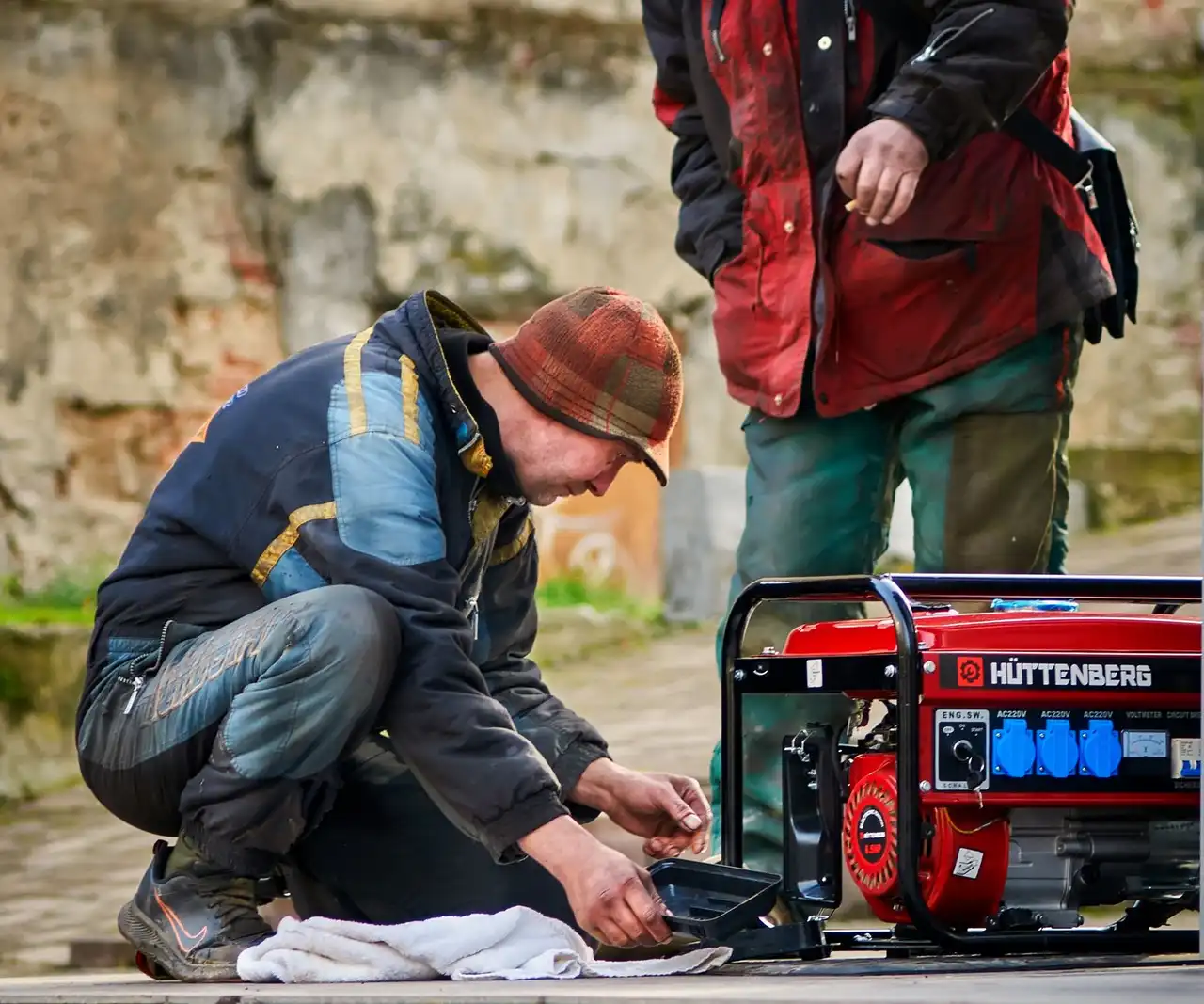
We treat this as a same-day priority. A dropped leg or failed main breaker is the likely cause, and both need a licensed electrician. We test both legs at the panel, isolate the fault, and repair it in one visit in most cases. Power restored to the full house the same day, with both legs verified within 3 percent of each other.
This is a classic loose neutral or undersized service symptom. We measure the voltage drop under load, trace the connection, and repair or replace the failing component. If the service is simply too small, we quote an upgrade. Steady lights and appliances that run without brownout stress, usually fixed in a single 2 to 3 hour visit.
We inspect the weatherhead, mast, and meter base for damage, then test the service under load. If the utility side is damaged, we coordinate with Delmarva Power. If it is your side, we repair it and make it code-correct. A safe, inspected service that holds steady voltage, with any utility-side work handled by the utility at no cost to you.
We treat tenant safety calls as emergencies. We coordinate access directly with your tenant, diagnose the fault, and complete the repair. You get photos and a written summary for your records without having to be on site. A documented repair that keeps your tenant safe and your property compliant, handled without you making the trip.
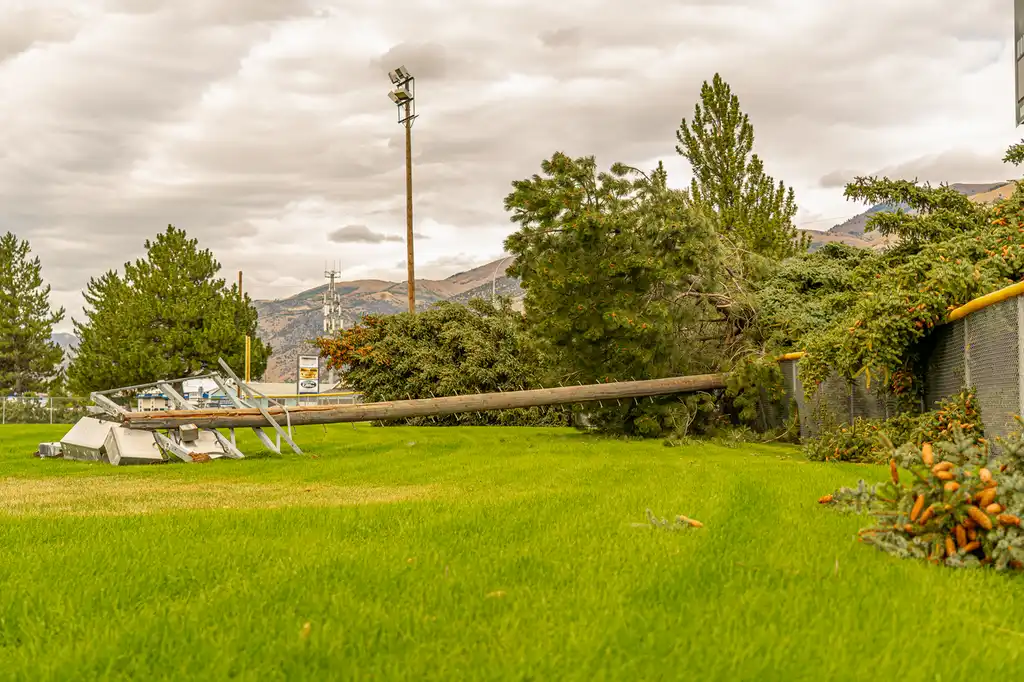
Salisbury sits in Wicomico County where summer thunderstorms and winter ice both take a toll on overhead service drops. We see a spike in calls after every major storm, usually for flickering lights and partial power loss. The housing stock matters too. Downtown and Salisbury City Centre have homes from the 1920s with original knob-and-tube or early Romex, while Bishopdown and Churchill Gardens have 1980s and 1990s builds with aluminum branch wiring that was never re-terminated. Both cause voltage fluctuation repair Salisbury MD calls for different reasons. If you are searching for a 24/7 power fluctuation fix Salisbury Maryland, we run emergency calls around the clock. We also coordinate with Delmarva Power when the fault is on their side of the meter, which saves you a diagnostic fee. ZIP codes 21804 and 21801 are our most common service areas, and we know the local inspection requirements well enough to get your repair signed off without a second visit.
Older homes with original wiring and smaller 100-amp services. Loose neutrals and aging panels are the most common cause of fluctuations we find here.
A mix of rentals and owner-occupied homes. We see a lot of backstabbed outlets and overloaded circuits from window AC units running all summer.
1980s and 1990s construction with aluminum branch wiring. Re-terminating those connections with antioxidant paste fixes most of the flickering we get called for.
Newer builds with 200-amp service, so fluctuations here usually trace to a utility-side issue or a failed appliance rather than undersized wiring.
Limb strikes and wind damage cause partial power loss and flickering that shows up immediately after a storm. We prioritize these calls because a damaged service can be a shock and fire risk.
Ice pulls on the mast and weatherhead, loosening connections at the meter base. That causes intermittent voltage swings that get worse as the season goes on.
Moisture corrodes bus bars and breaker terminals in basements and crawl spaces. Corrosion raises resistance, which causes heat and voltage fluctuation over time.
Aluminum expands and contracts with heat, loosening terminations over decades. Re-torquing and treating those connections is a common fix for flickering lights in older Salisbury neighborhoods.
A homeowner in Salisbury City Centre had lights dimming every time the dryer ran. Three different handymen had looked at it and found nothing. Voltage readings at the panel swung between 108 and 128 volts under load.
We found a loose neutral lug on the main bus, re-torqued it to spec, and replaced a scorched breaker. Voltage now holds between 119 and 122 volts under full house load. Total job time was 2 hours.
Maintenance: We recommend a panel inspection every 3 years in homes this age. Watch for lights that dim when large appliances start, which is the first sign a lug is loosening again.
A rental property in Milford had a panel with visible rust and a tenant reporting intermittent power to half the kitchen. Insulation resistance testing showed moisture had compromised several circuits.
We replaced the panel with a new Square D unit, dried and treated the area, and re-terminated every circuit. All 18 circuits tested clean, and the property passed inspection on the first visit.
Maintenance: Keep the basement dehumidified and check the panel for rust annually. Any sign of moisture means calling us before corrosion spreads to the bus bars.
A limb came down on the service drop during a summer storm, pulling the weatherhead loose. The homeowner had partial power and a buzzing sound at the meter base. We treated it as an emergency and arrived within 90 minutes.
We made the service safe, repaired the mast and weatherhead, and replaced the damaged meter base connections. Delmarva Power reconnected the following morning. Voltage tested steady at 121 volts on both legs.
Maintenance: Keep trees trimmed back 10 feet from the service drop. After any storm, listen for buzzing at the meter and check for visible damage to the weatherhead.
Most of what we see falls into a handful of failure modes. If any of these sound familiar, you are not imagining it and you are not alone.
Repeated voltage dips shorten the life of motors, compressors, and electronics. A fridge compressor that should last 15 years can fail in 6 under constant brownout conditions. We measure the voltage drop at the panel while the appliance runs. Usually it is a loose neutral or an undersized service. We repair the connection or, if the service is too small, quote a panel upgrade so the drop stays under 3 percent.
A breaker that trips under normal load is either failing or hiding a real fault. Ignoring it means you lose power at the worst moment, and a failing breaker can fail to trip when it actually matters. We test the breaker under load with a clamp meter and check the circuit for insulation faults. If the breaker is weak, we swap it for a matching Square D or Eaton unit. If there is a wiring fault, we find and repair it.
Partial power loss almost always means a dropped leg at the meter or main breaker. It can also damage 240-volt appliances like your oven and water heater if they run on one leg. We test both legs at the panel. If the problem is on our side, we repair the main breaker or service connection. If it is utility-side, we tell you to call Delmarva Power and do not charge you for the visit.
Heat at a device means resistance, and resistance means arcing. Arcing at a backstabbed outlet reaches 1,000 degrees Fahrenheit and is one of the leading causes of house fires. We cut power to the circuit immediately, pull the device, and inspect the wiring. Loose backstabs get re-terminated on the screw terminals. Burnt wire gets cut back and spliced properly. We test the circuit under load before restoring power.
$89 diagnostic, $185 - $2,400 for most repairs depending on scope
We quote flat rates before we start, so you know the number before we pick up a tool. Typical 2026 pricing in the Salisbury area runs $89 for the diagnostic, then $185 to $340 for a breaker replacement, $280 to $650 for a neutral or connection repair, and $900 to $2,400 if the main panel needs replacing. If the fault is on the utility side of the meter, that repair is Delmarva Power's responsibility and costs you nothing. We waive the diagnostic fee when you approve the repair.
A $300 repair that stops arcing at a loose connection is cheap compared to a house fire or a failed compressor. We fix the actual cause, test under load, and document the work so you are not paying for the same problem twice.
A loose lug at the panel is a quick fix. A fault inside a wall means tracing the circuit and opening drywall, which adds labor. We tell you which one you have after the diagnostic, before any repair work starts.
A common Square D or Eaton breaker is a $40 to $80 part. A specialty breaker or a full panel replacement pushes the cost up. We stock common parts so most jobs finish in one visit without a markup on ordering.
A 40-year-old panel with corrosion may not be worth repairing. If the bus bars are pitted or the panel is a known failure brand like Federal Pacific, replacement is the honest answer and we will tell you so.
A panel in a finished basement or behind drywall takes longer to access than one in an open garage. We factor that into the quote upfront so there is no surprise on the invoice.
After-hours emergency calls carry a higher rate than a scheduled weekday visit. If your situation can safely wait until morning, we will tell you and save you the after-hours charge.
Our techs hold Maryland Master Electrician and Journeyman Electrician licenses and work to NFPA 70E arc-flash standards on every panel job. We train on Square D, Eaton, and Siemens gear specifically because that is what Salisbury homes and businesses run. Every truck carries a Fluke 1587 insulation tester, a clamp meter, and a full set of insulated hand tools. We have traced power fluctuations in 1920s knob-and-tube homes downtown, 1980s split-levels in Bishopdown, and commercial three-phase panels on the north side. If your lights flicker, we have almost certainly seen your exact failure mode before.

Half my kitchen outlets died and the lights pulsed every time the fridge kicked on. Called at 7 a.m., tech was here by 10. Turned out to be a loose neutral in the panel. He showed me the burnt lug, fixed it, and tested everything under load. $310 total and the problem has not come back in six months.
My tenant called about flickering lights and a burning smell near the panel. I was two hours away. They handled the whole thing, killed the circuit, replaced a scorched breaker, and sent me photos and a written report for my records. Tenant was happy, I was happy, and the inspection passed.
Our walk-in cooler kept shutting down and we could not figure out why. They traced it to a voltage sag on one leg of our three-phase service. Repaired a corroded connection at the panel and we have not lost product since. They worked around our lunch rush, which I appreciated.
The three most common causes we find are a loose neutral at the panel or meter base, a failing main breaker, and a corroded service connection. In older Salisbury homes, aluminum branch wiring that was never re-terminated is a frequent culprit. Utility-side issues from storm damage also cause whole-house dips. A 45-minute diagnostic pinpoints which one you have.
Typical 2026 pricing runs $89 for the diagnostic, then $185 to $340 for a breaker replacement, $280 to $650 for a neutral repair, and $900 to $2,400 if the main panel needs replacing. We quote flat rates before starting. If the fault is on the utility side of the meter, that repair is Delmarva Power's responsibility and costs you nothing.
You need a licensed Maryland electrician, not a handyman. We hold a Maryland Master Electrician License and carry insurance and bonding. Our techs work to NEC code and NFPA 70E safety standards. We handle residential and commercial panels, generators, and transfer switches. Call (410) 589-2829 and we will tell you over the phone whether it sounds like a same-day emergency.
Yes, when it comes with buzzing, a burning smell, or visible sparking. Those signs mean arcing, which reaches 1,000 degrees Fahrenheit and ignites framing. Dimming lights alone is usually a loose connection and less urgent, but it still stresses your appliances and should be fixed within a week. If you smell anything hot, kill the main breaker and call us immediately.
Not seeing your question? Our local team can help you understand urgency, scheduling and what to expect.
Ask the local team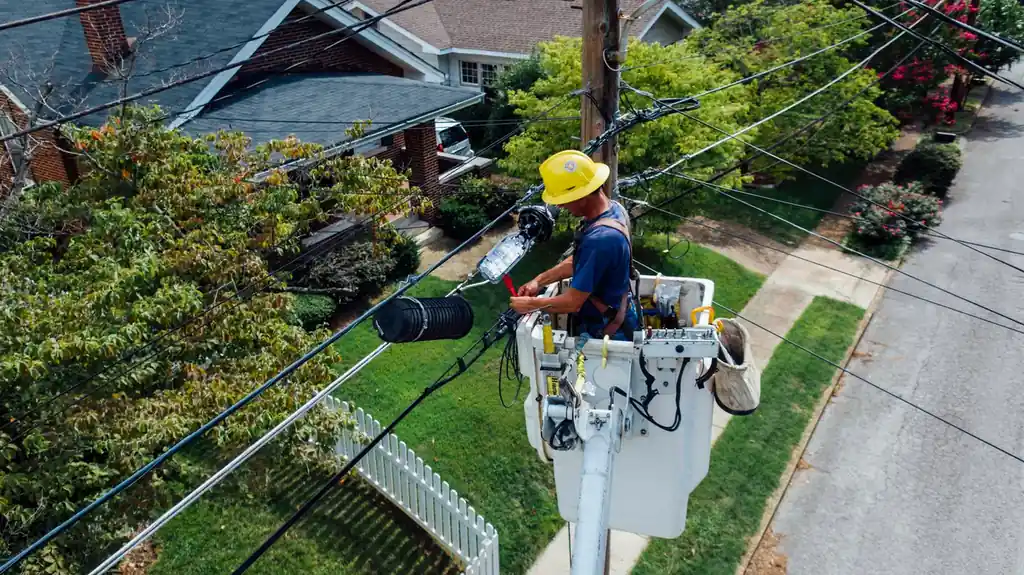
Whole-home power problems often start as a fluctuation and end as a dead circuit. Our residential emergency electrician crew handles both, from a single flickering bedroom light to a full service panel failure in a Salisbury home.
View service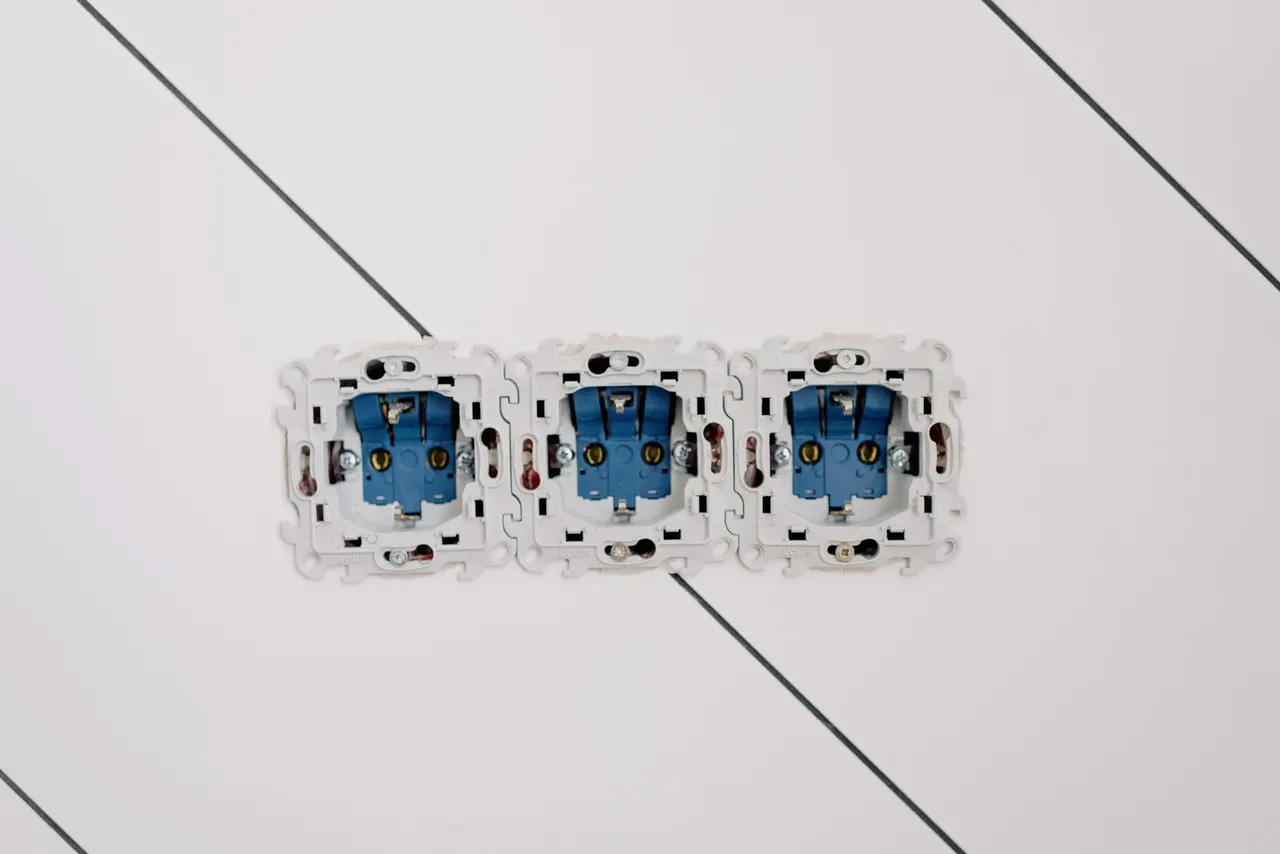
Restaurants and retail spaces on the north side of Salisbury cannot afford voltage sags that shut down refrigeration or POS systems. We diagnose commercial power fluctuation fast and work around your business hours to keep you open.
View service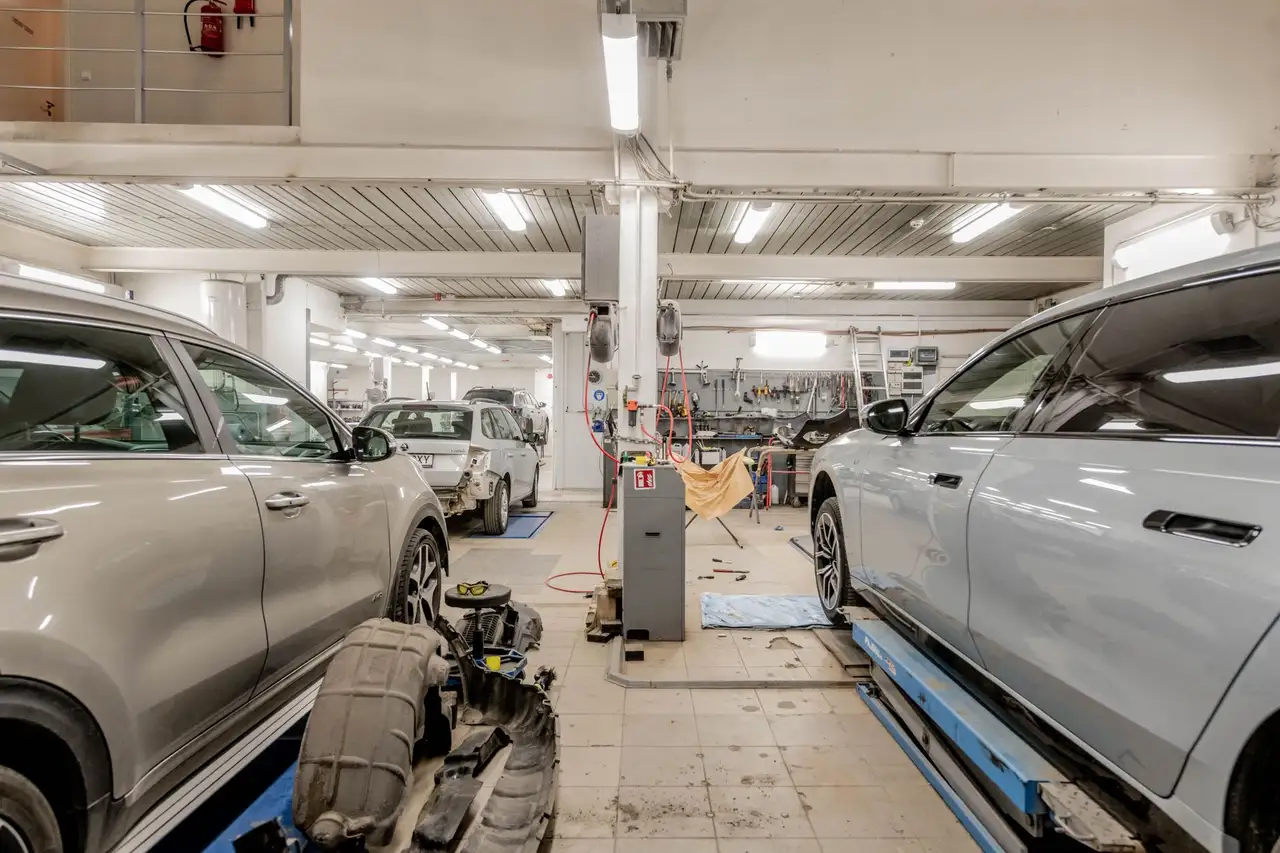
A breaker that trips under normal load or feels hot to the touch is failing. We test it under load with a clamp meter, then repair or replace it with a matching Square D or Eaton unit so the circuit holds steady.
View service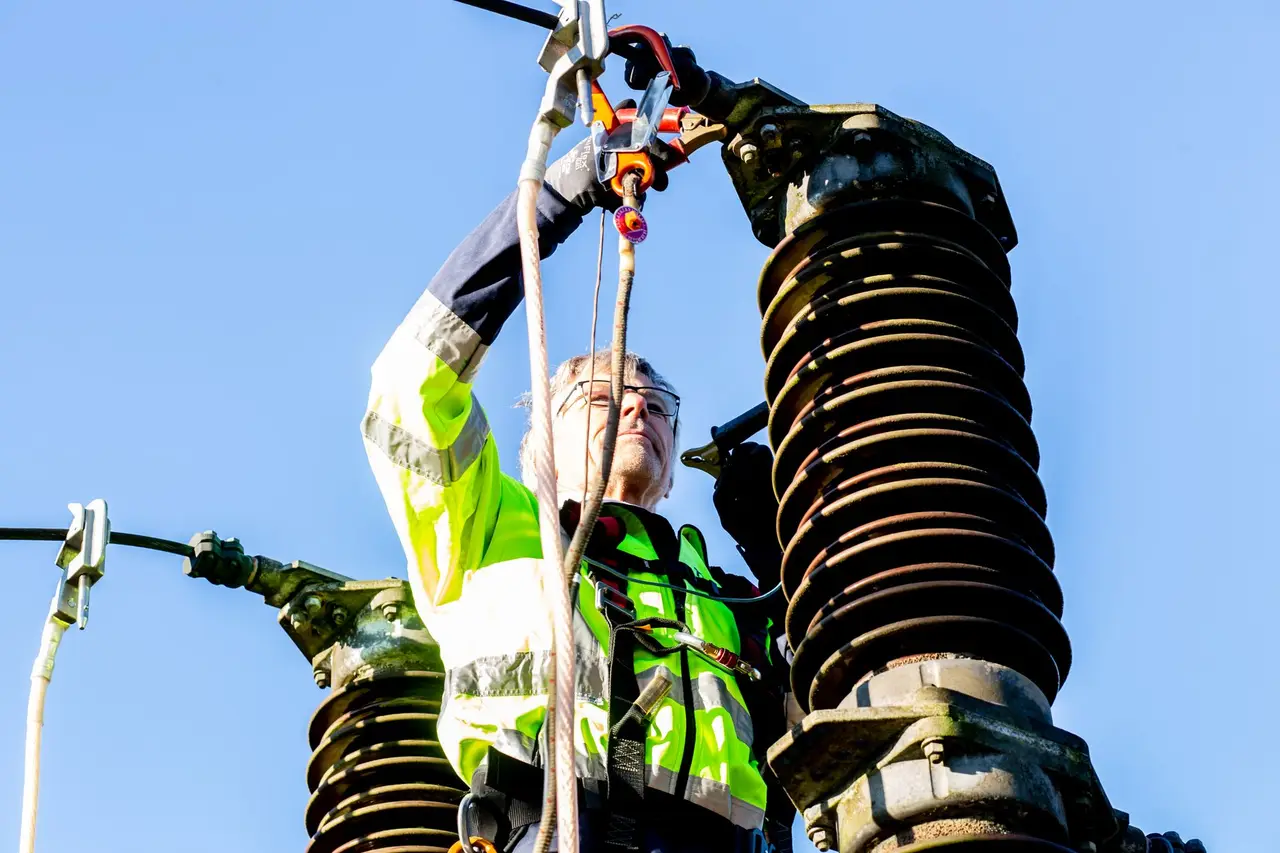
When a breaker is burnt, backfed, or the wrong brand for your panel, replacement is the fix. We stock common sizes on the truck and torque every lug to manufacturer spec before restoring power.
View service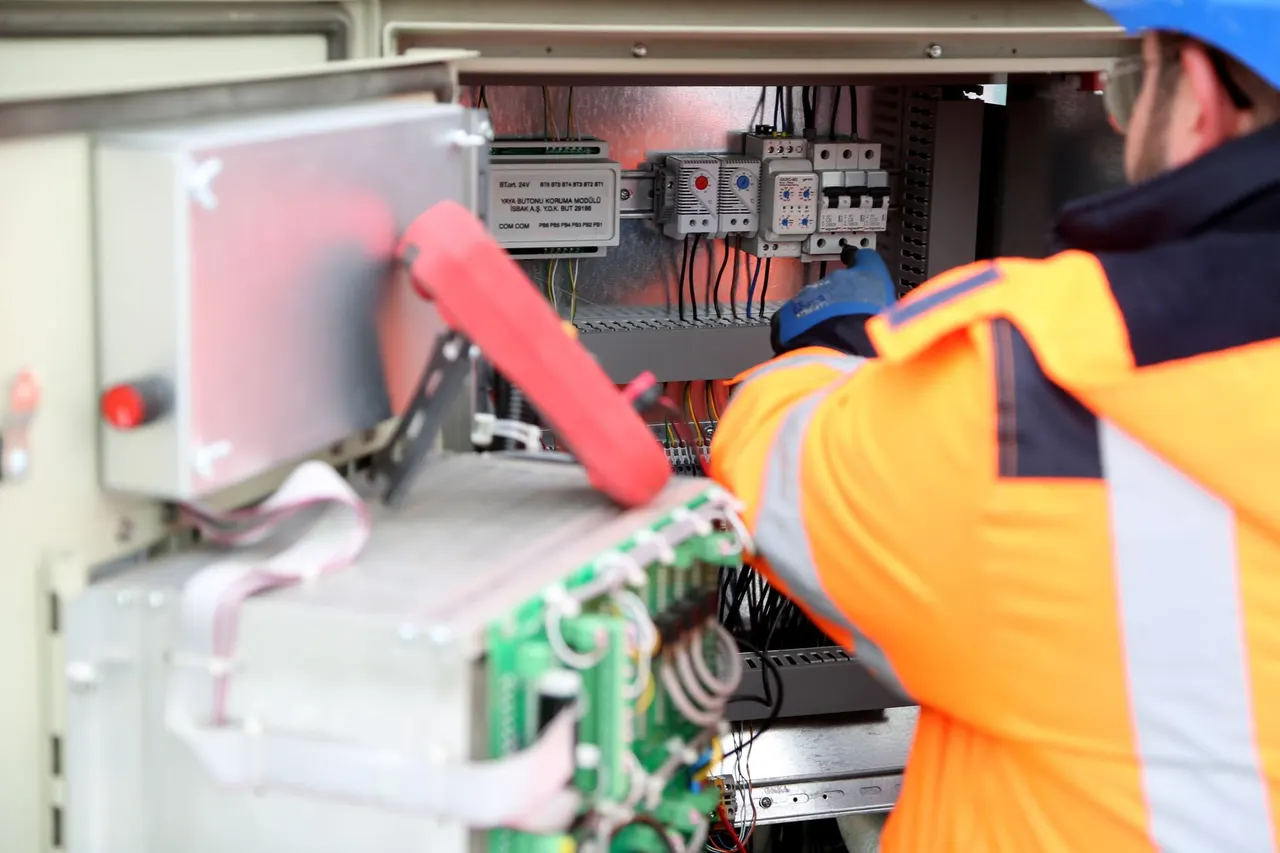
Our line is open 24 hours a day, every day of the year. Call (410) 589-2829 and a live dispatcher will take your address and the problem, then send the nearest licensed electrician. For non-urgent work, email us and we will schedule a visit that fits your day.