Focused arrival windows
Useful updates and clear arrival timing.
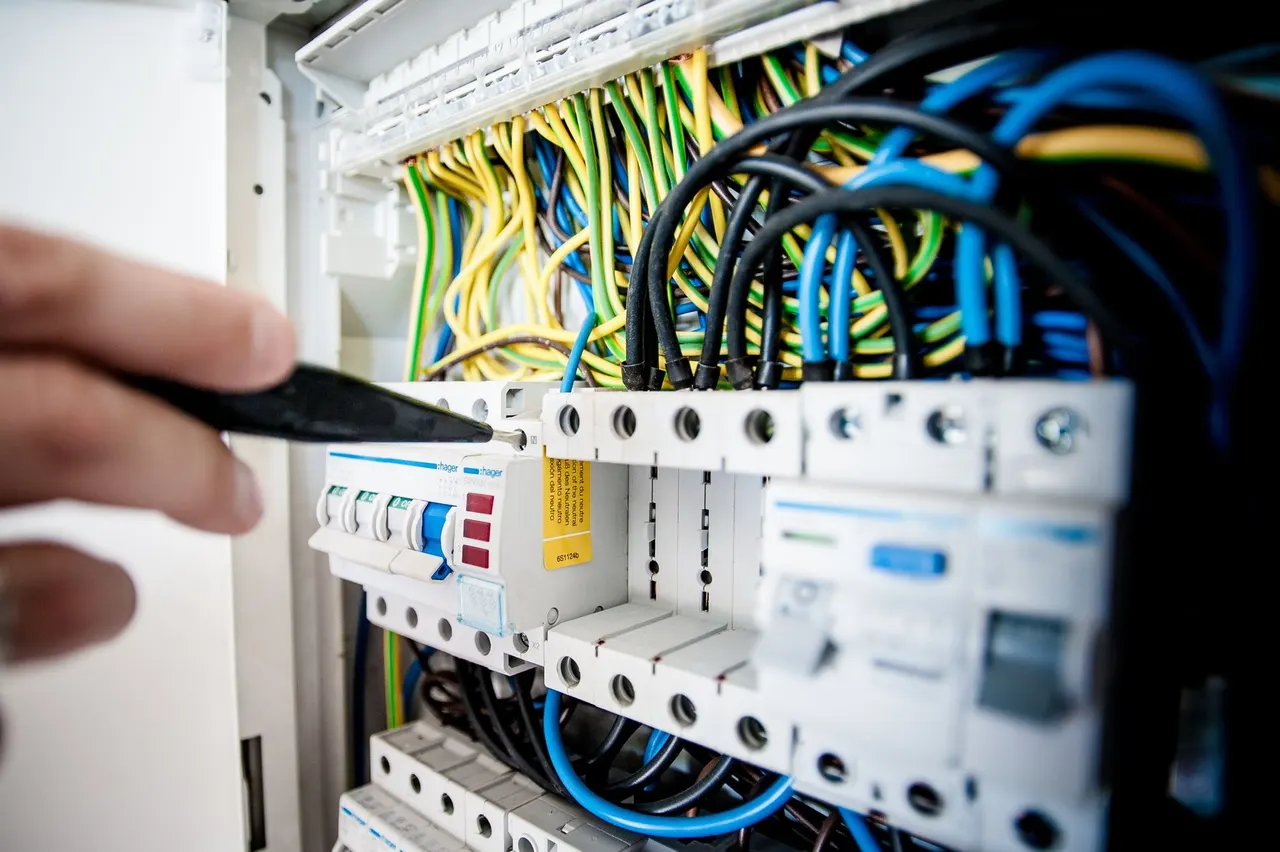
Electrical Arcing Inspection Salisbury MD is the fastest way to find the sparking, sizzling fault hiding behind your walls before it becomes a fire. We test outlets, panels, and wiring with Fluke and Klein Tools gear, trace the arc to its source, and give you a straight answer on repairs. If you smell burning near an outlet or a breaker keeps tripping, call (410) 589-2829 now.
Useful updates and clear arrival timing.
Review the approach and price before deciding.
Equipped vehicles and respectful cleanup.
Neighbors serving neighbors with follow-through.
Every inspection includes a panel check, a circuit sweep, and a written summary of what we found. If we find a fault, we can usually repair it the same visit. Here is what is included.
We open the panel, take voltage and current readings, and inspect every breaker for heat damage or loose lugs. A circuit breaker finder maps the circuits so we know exactly what feeds what before we go further.
We pull accessible outlets and switches on the suspect circuits. A receptacle tester confirms polarity and ground, and we check every termination for discoloration, looseness, or backstabbing that causes arcing.
After inspection, we load the circuit and watch for voltage drop or heat at the terminations. This confirms whether the fault is repaired or still present. Most circuits are tested for 10 to 15 minutes under load.
If we find a bad outlet, loose wire nut, or failing breaker, we repair it during the visit. We carry Leviton, Ideal Industries, and common breaker brands on the truck so most repairs finish the same day.
You get a plain-language summary of the fault location, the circuit affected, and the repair performed. Landlords and homeowners use it for insurance and records. We email it the same day.
Share what is happening and receive a clear next step from the local team.
Electrical Arcing Inspection Salisbury MD is a diagnostic service that locates the exact point where current is jumping across a gap instead of flowing through copper. We use a clamp meter and a voltage tester at the panel, then work outlet to outlet with a receptacle tester to find heat, scorching, or a loose backstab. Arcing shows up as a faint buzz, a flickering light, or a tripping circuit breaker long before flames do.
Salisbury homes take a beating from humid summers and storm-driven power surges, and both chew up old wiring. In rentals around Milford and student housing near St Paul's, we find overheated outlets and failing GFCI receptacles constantly. If you need an emergency arcing inspection Salisbury homeowners can trust at 2 a.m., we roll with a circuit breaker finder and thermal checks to isolate the fault before it spreads.
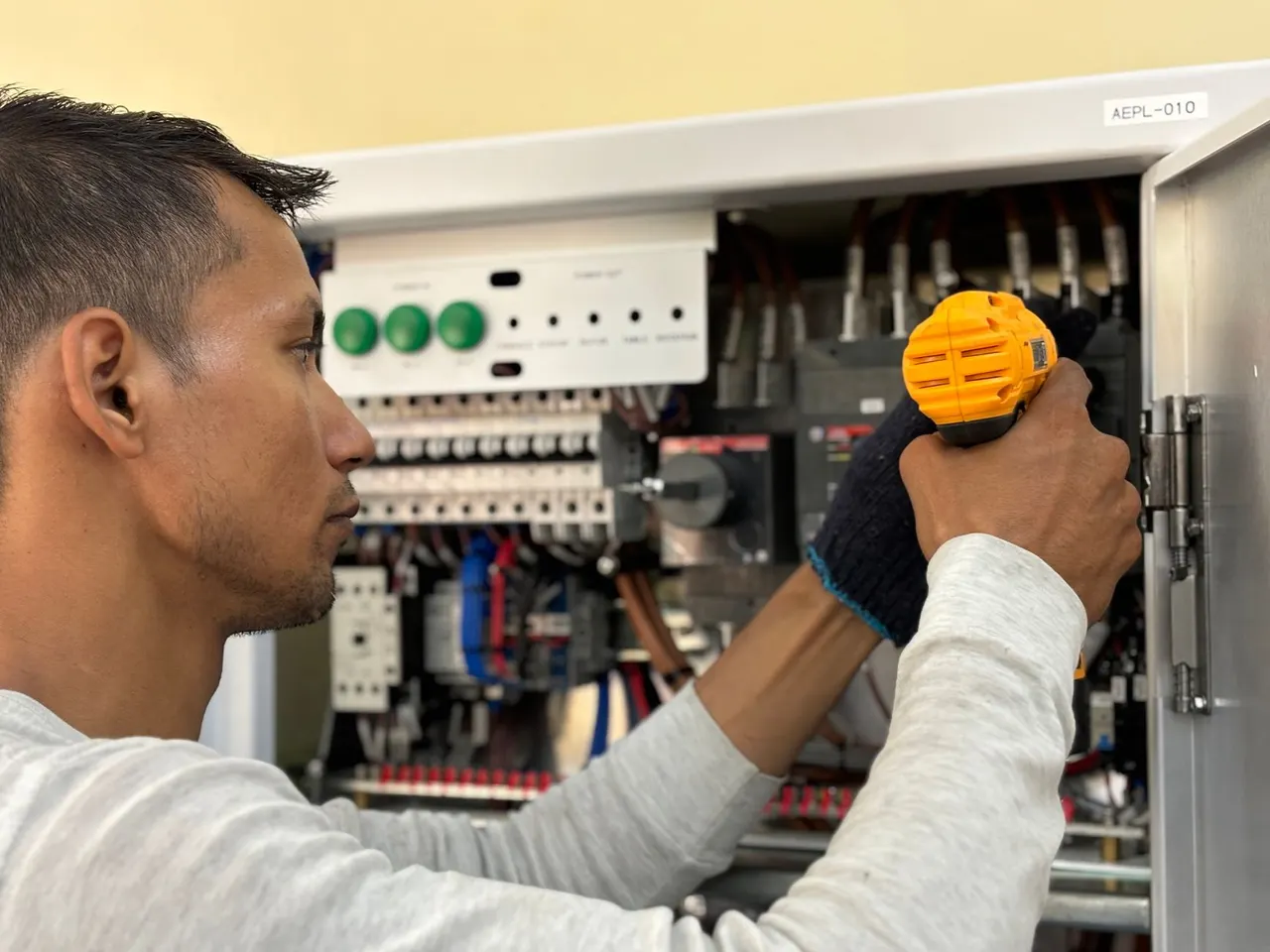
You describe the symptom: burning smell, sparking outlet, flickering lights, or a breaker that will not stay set. We ask which rooms and circuits are affected and dispatch the right tools. If you smell smoke, we tell you to kill the main breaker and get everyone outside while we are en route.
We open the panel and take voltage and current readings with a Fluke clamp meter. A circuit breaker finder maps which breakers feed which rooms. This takes about 20 minutes and tells us whether the fault is at the panel or downstream in the branch wiring.
We pull every accessible outlet and switch on the suspect circuit and inspect the terminations. A receptacle tester confirms wiring polarity and ground. We look for backstabbed conductors, discolored insulation, and loose wire nuts, which are the three most common arc points we find.
Once we find the arcing point, we isolate that section of the circuit and test again. If the fault is inside a wall, we use a fish tape and tone generator to map the run before opening anything. You get a clear explanation of what failed and what it takes to fix it.
We repair the fault, replace damaged outlets or breakers with Leviton or Siemens components, and retest the full circuit under load. Before we leave, we confirm the breaker holds, the outlet reads correct voltage, and there is no heat at any termination. You get the written summary the same day.
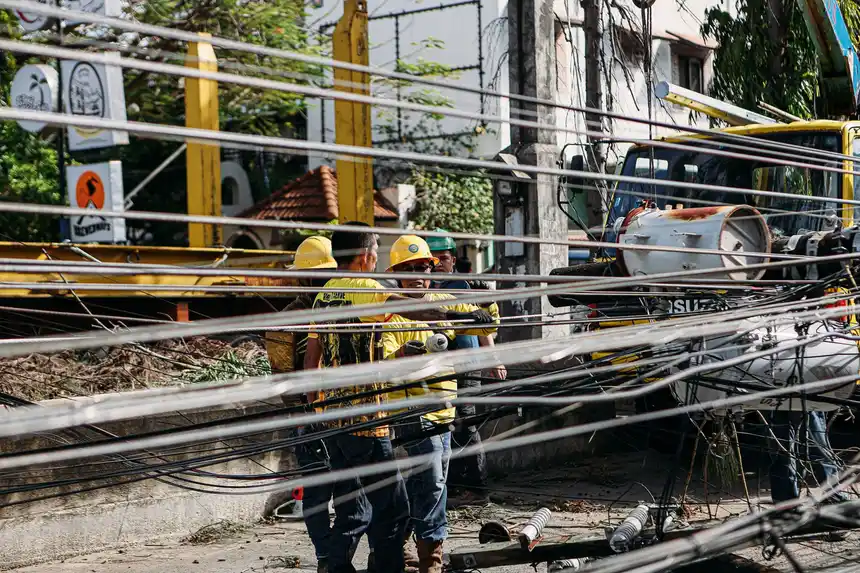
Measures current on individual circuits without disconnecting them, which lets us spot a circuit drawing more than it should and narrow down where the arcing load is.
Confirms presence and absence of voltage at outlets, switches, and panel lugs before we touch anything. Safety step one on every job.
Maps which breaker feeds which room so we do not have to guess or shut down the whole house. Saves 15 to 20 minutes on every inspection.
Checks polarity, ground, and wiring configuration at each outlet. A miswired outlet is an arcing risk and this catches it in seconds.
Routes new wire through finished walls when a damaged run has to be replaced. Lets us repair in-wall faults with minimal drywall damage.
Rated for live-panel work under NFPA 70E. We use them for every termination check inside an energized panel.
Spots heat at terminations and breakers that are not yet visible. An overheating outlet shows up as a hot spot before it shows up as damage.
We verify grounding, bonding, and AFCI/GFCI protection against current NEC code. Arcing faults are far more likely on circuits that lack proper protection, and code-correct work removes that risk.
Every live-panel diagnostic follows NFPA 70E boundaries and PPE requirements. That protects our electricians and means the inspection is done to a documented safety standard, not by feel.
We do not call a circuit fixed until it holds voltage under load for 10 to 15 minutes with no heat at any termination. If it fails, we keep working until it passes.
We label the panel and note which breaker feeds which area. You get a written record of the fault, the repair, and the circuit layout, which saves time on every future service call.
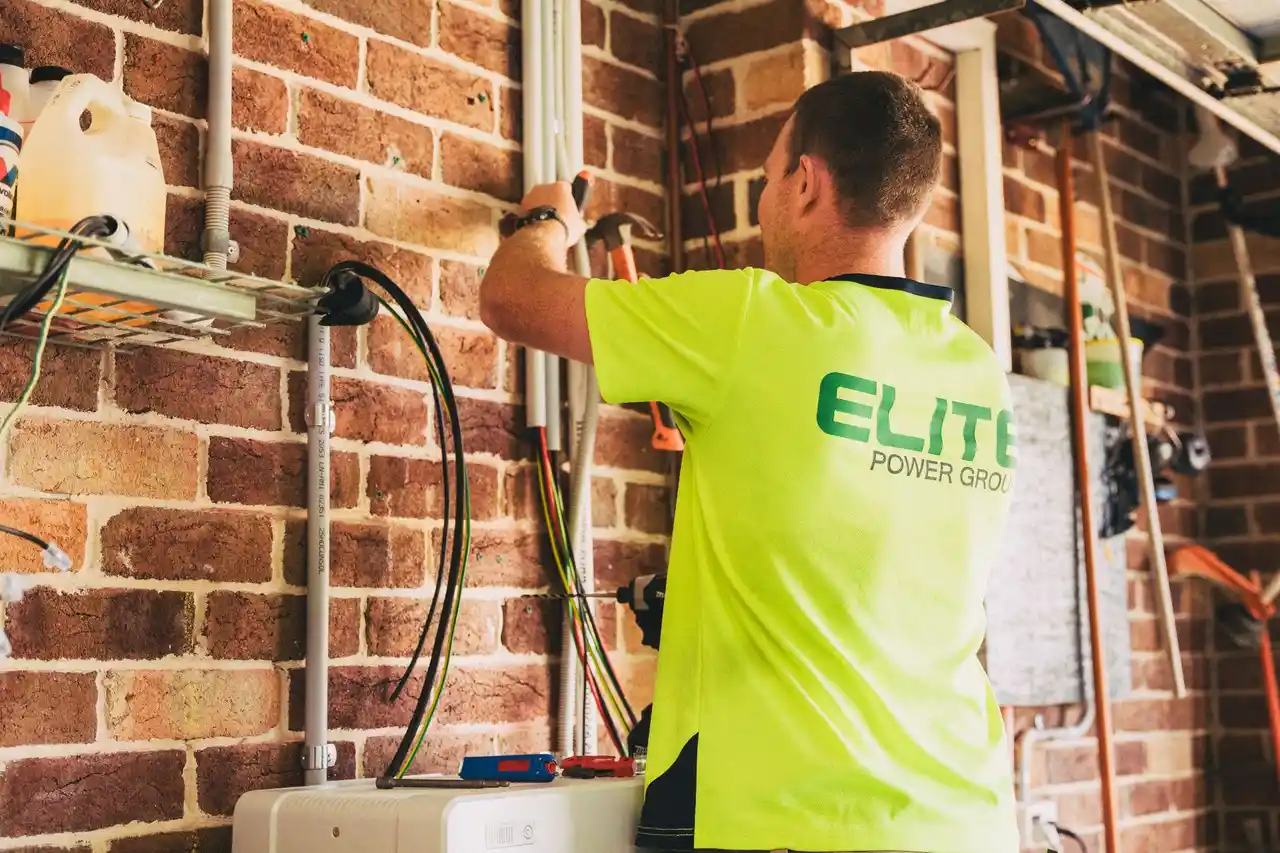
We respond 24/7 for burning-smell calls. The tech kills the suspect circuit, pulls each outlet on it, and inspects the terminations for heat damage. Most burning-smell calls trace back to one loose connection in one box. You get the fault found and repaired the same visit, with the circuit load-tested before we leave. No more smell, no more guessing.
We inspect the circuit, document the fault, and repair it. You get a written summary showing the cause and the fix, which satisfies the tenant and your insurance carrier. The tenant has working power, you have documentation, and the arcing risk is gone. Most rental calls are resolved in one visit.
Partial power loss after a storm often means a damaged connection or a tripped leg. We troubleshoot the panel and the affected circuits, find the open or burned point, and repair it. Power is restored to the dead outlets, and we confirm no arcing remains on the circuit before we close up.
We run a full arcing and safety inspection covering the panel, outlets, switches, and grounding. We flag aluminum wiring, backstabbed outlets, and any heat-damaged terminations. You get a written report you can use in negotiation or to plan repairs, plus a clear picture of what is safe and what needs work.
Salisbury sits in a humid pocket of the Eastern Shore, and that humidity works on electrical terminations year round. Add storm-season surges and a housing stock that mixes 1920s row homes with newer construction, and you get a wide range of arcing causes. In older homes around Salisbury City Centre and St Paul's, we find backstabbed outlets and aluminum branch wiring that has loosened over decades. In newer builds out toward Bishopdown, the faults tend to be overloaded circuits and worn GFCI receptacles. Fall is when we get the most post-storm calls, and winter brings heating-load arcing on circuits that were already marginal. If you need an affordable arcing inspection Salisbury MD homeowners can schedule quickly, we keep same-day slots open for suspected faults. We work to Maryland Master Electrician standards and current NEC code on every job, and we serve ZIP codes 21801 and 21804 along with the surrounding Wicomico County area.
Older commercial and residential buildings with original wiring. Arcing faults here often trace to aging terminations and shared circuits.
A high concentration of rental properties. We get called for sparking outlets and tripping breakers reported by tenants.
Mix of older homes and renovations. We frequently find DIY wiring with loose connections that arc under load.
Newer construction where the common faults are overloaded circuits and worn GFCI receptacles rather than old wiring.
Storm-exposed area. Post-storm surge damage to panels and outlets is a recurring call in fall and winter.
Accelerates corrosion on panel lugs and outlet terminals, which raises resistance and makes arcing more likely. We check terminations for corrosion on every inspection.
Surges stress insulation and breaker contacts. After a major storm, we see a spike in arcing calls, especially on panels that took a direct hit.
Decades-old wiring and backstabbed outlets are common. These are the highest-risk arcing points, and they are exactly what our inspection targets first.
Space heaters and HVAC draw push older circuits to their limit. A circuit that was fine in summer can start arcing in January, so we load-test everything we inspect.
A homeowner in Salisbury City Centre had a kitchen outlet that sparked every time she plugged in the coffee maker. The breaker had tripped twice that week, and she had started avoiding the outlet entirely.
We found a backstabbed hot wire that had been arcing against the box. We replaced the outlet with a Leviton device, terminated the wires under the screws, and load-tested the circuit for 15 minutes. No spark, no heat, breaker held.
Maintenance: Avoid daisy-chaining high-draw appliances on one circuit, and have outlets checked every few years in older homes. A $12 outlet replacement prevents a far more expensive repair.
A restaurant owner in St Paul's called after closing because of a burning smell near the back panel. One breaker was warm to the touch and the lights in the dining room had been flickering for a week.
We found a loose neutral lug in the panel that had been arcing under load. We killed power, cleaned and re-terminated the lug, replaced the damaged breaker with a Siemens unit, and retested every circuit. The smell was gone and voltage was stable.
Maintenance: Have the panel torque-checked every few years, especially in commercial kitchens where heat cycling loosens lugs. Annual thermal scans catch this before it burns.
After a fall storm, a Milford rental lost power to half the bedrooms. The tenant reported a faint burning smell that had faded by the time we arrived. The landlord needed it fixed before the weekend.
We traced the fault to a damaged wire in a junction box where a surge had burned a splice. We repaired the splice with proper wire nuts, replaced the affected outlet, and restored full power to all four bedrooms. Total time on site was three hours.
Maintenance: After any major storm, have the panel and any exposed junction boxes inspected. Surge damage often hides until the next heavy load hits the circuit.
These are the arcing problems we get called for most across Wicomico County. Each one gets diagnosed, repaired, and retested before we leave.
Every spark is an arc, and the heat degrades the outlet and the wire behind it. Left alone, it can ignite the box or the framing inside the wall. We cut power, pull the outlet, and inspect the terminations. Usually the wire is backstabbed or loose. We replace the outlet with a quality device, terminate the wires under the screws, and load-test the circuit to confirm the spark is gone.
A breaker that trips under load is often reacting to arcing downstream. Resetting it repeatedly masks the fault and wears out the breaker until it stops protecting the circuit at all. We use a clamp meter and circuit breaker finder to isolate the circuit and the appliance. If the fault is in the wiring or the outlet, we repair it. If the breaker itself is damaged from repeated trips, we replace it with a matched Square D or Eaton unit.
A burning smell means arcing is active right now. The insulation is already charring, and the next stage is open flame. This is the call you make before you go to bed, not after. We treat burning-smell calls as emergencies and respond 24/7. We kill the affected circuit, inspect the panel and outlets, locate the burned connection, and repair or replace it. We do not restore power until the circuit tests clean.
Flickering on a shared circuit usually means a loose neutral or an overloaded leg. That loose connection arcs a little every time the load changes, and it gets worse over time. We check the panel neutral and the circuit terminations, tighten or repair the loose connection, and verify voltage stability under load. If the circuit is simply overloaded, we explain your options for adding capacity.
$180 - $700 depending on scope and timing
Typical 2026 pricing for an electrical arcing inspection in Salisbury runs $180 to $450 for residential work, and $300 to $700 for commercial. The inspection fee covers the panel check, circuit sweep, and written summary. If we find a fault, the repair is quoted before we start, and most simple repairs add $75 to $250. We give you the number up front so there is no surprise when the panel comes off.
An arcing inspection is the cheapest insurance you can buy for your wiring. Finding one bad connection for a few hundred dollars beats a fire claim, a panel rebuild, or a displaced family. We quote the inspection and the repair separately so you always know what you are paying for.
A single-circuit fault is quick to isolate. A whole-house sweep with multiple suspect circuits takes longer and costs more. Most homes have one or two suspect circuits, which keeps the price near the low end.
An outlet-level fault is a straightforward repair. A fault inside a finished wall requires tracing and possibly opening drywall, which adds labor. We tell you which one you are looking at before we start.
A panel with corrosion, heat damage, or obsolete breakers takes more time to inspect safely and may need parts. If the panel is beyond repair, we quote a replacement separately.
After-hours and weekend calls carry a higher rate than weekday appointments. A burning smell or sparking outlet justifies the emergency rate. A routine pre-purchase inspection can be scheduled at standard rates.
A standard outlet or breaker adds little to the bill. A damaged panel section or a long in-wall wire run adds more. We carry common parts on the truck so most repairs avoid a second trip.
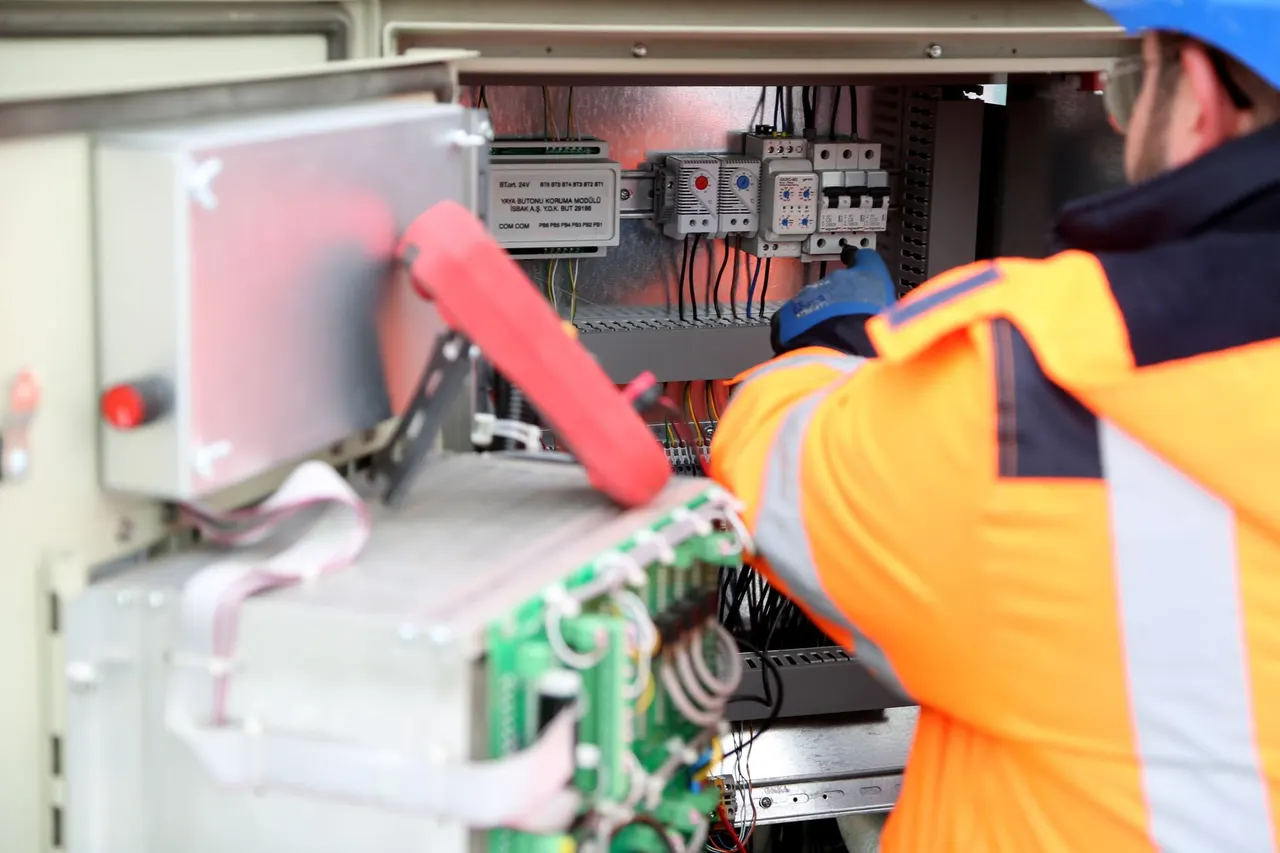
Our electricians hold Maryland Master Electrician and Journeyman Electrician licenses and work to current NEC code on every job. We carry NFPA 70E and OSHA safety certifications because arc fault work means opening live panels under controlled conditions. We have traced arcing faults in century-old Salisbury row homes, post-storm rental units, and commercial kitchens where heat and grease accelerate wire failure. That range of local experience means we know where to look first.
I kept smelling something hot near the kitchen outlet and could not figure out which one. The tech showed up within the hour, pulled the outlet, and found a backstabbed wire that had been arcing for who knows how long. He replaced it and tested the whole circuit. Fair price, no upsell, done in two hours.
My tenant called about a breaker that kept tripping. I booked an arcing inspection and the electrician traced it to a damaged wire in the wall, not the breaker at all. He repaired the run, replaced the outlet, and gave me a written summary for my insurance. Tenant stopped calling, which is the best review I can give.
We had flickering lights in the dining room and a burning smell in the back. They came out after close, found an arcing connection in a junction box, and had it repaired the same night. No shutdown the next day. That is exactly what a commercial kitchen needs from an electrician.
Loose connections cause most arcing in Salisbury MD, followed by damaged insulation and overloaded circuits. Humidity and storm surges speed up corrosion on terminals. Backstabbed outlets, aging aluminum wiring, and worn breaker contacts are the three faults we find most often. Any gap where current jumps instead of flowing creates heat, and that heat is what starts fires.
Most residential arcing inspections in Salisbury Maryland run $180 to $450 in 2026, depending on how many circuits we test and whether the fault is inside a wall. Simple outlet-level faults sit at the low end. Panel-level diagnostics with a full circuit sweep sit higher. We quote the inspection fee before we start.
Licensed electricians inspect electrical arcing in Salisbury MD. Our crew holds Maryland Master and Journeyman Electrician licenses and works to NEC code. We use Fluke and Klein Tools meters to locate the fault, then repair it. You are not getting a handyman with a flashlight; you are getting a diagnostic electrician who can fix what he finds.
Yes. Electrical arcing in Salisbury Maryland reaches temperatures over 10,000 degrees Fahrenheit at the arc point, hot enough to ignite insulation and framing. A sparking outlet or burning smell means the fault is already active. Kill the breaker and call us. Waiting turns a $300 repair into a fire claim.
Not seeing your question? Our local team can help you understand urgency, scheduling and what to expect.
Ask the local teamWhen an arcing fault knocks out power to your home, our residential emergency electricians restore it fast. We handle the same panels, outlets, and wiring we inspect, so the repair follows the diagnosis without a second trip.
View service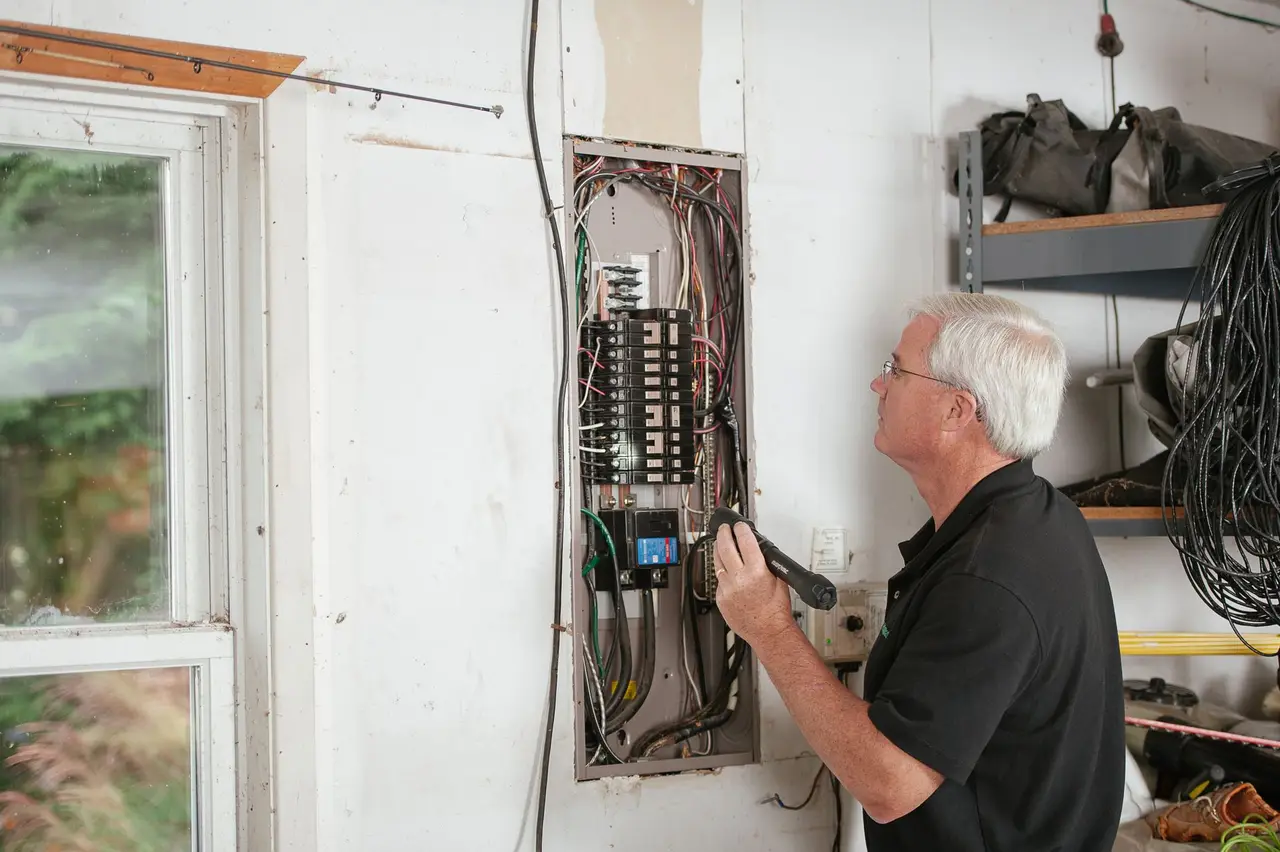
Salisbury storefronts and offices cannot wait on an arc fault. Our commercial emergency electricians inspect and repair arcing in panels, lighting circuits, and equipment feeds, keeping your doors open and your inspection paperwork current.
View service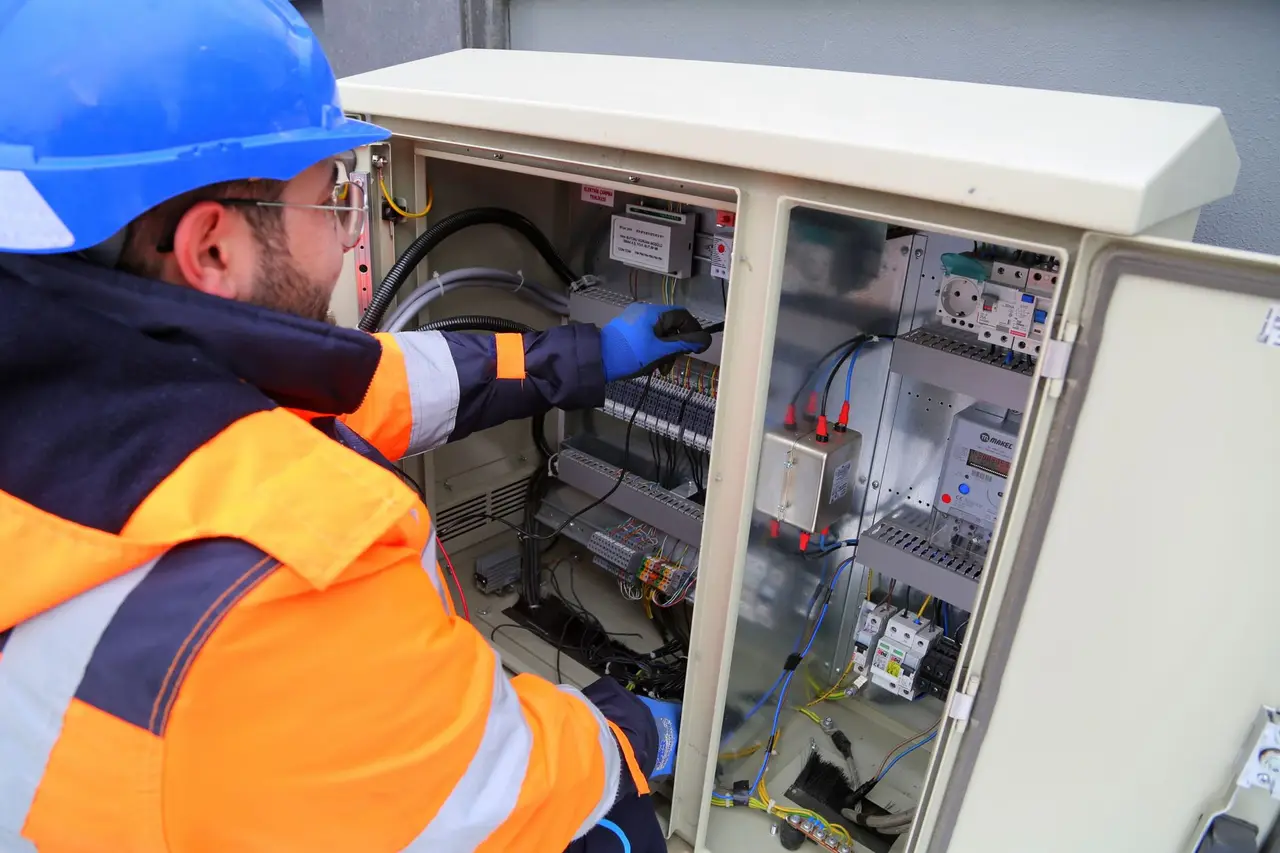
A breaker that trips repeatedly is often reacting to arcing downstream. We repair the breaker and trace the fault that caused it, so you are not resetting a breaker that is doing its job protecting you.
View service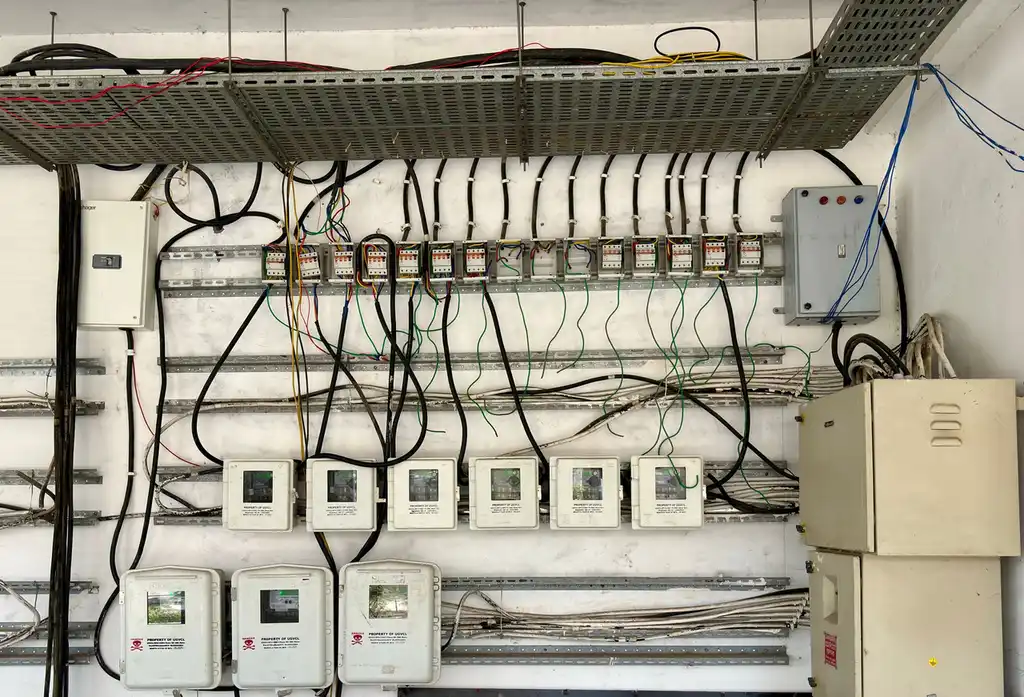
Breakers damaged by repeated arcing lose their trip curve and stop protecting the circuit. We replace them with Square D, Eaton, or Siemens units matched to your panel and retest under load.
View serviceOur line is open 24 hours a day, every day of the year. Call (410) 589-2829 and a live dispatcher will take your address and the problem, then send the nearest licensed electrician. For non-urgent work, email us and we will schedule a visit that fits your day.